
Planting
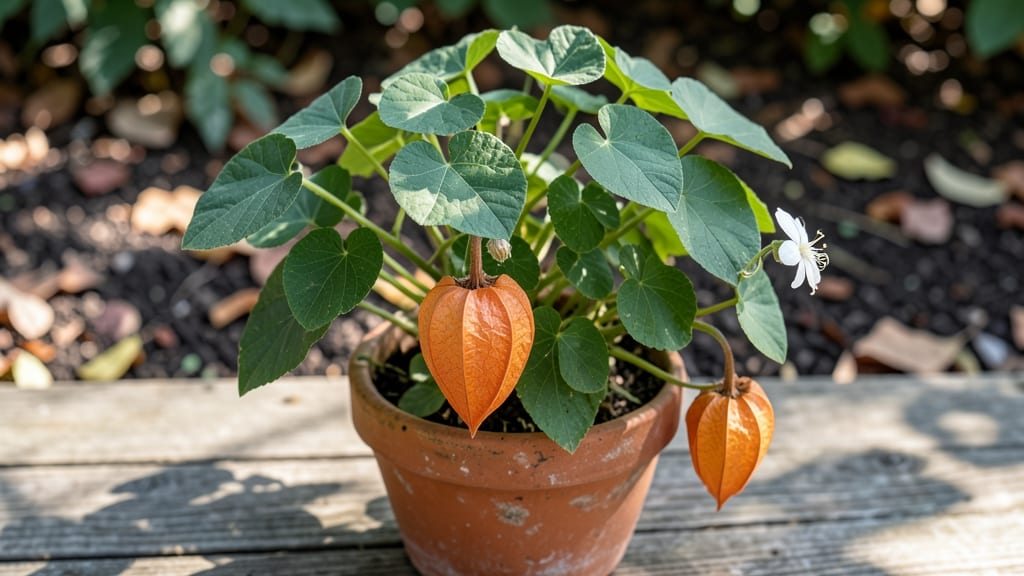
Growing lantern flowers (Physalis) means your garden gets year-round drama—paper-thin lanterns that shimmer like autumn treasure, and some varieties even produce edible berries. 🌿 I first fell for them when a single plant turned my late-season bed into a whimsical display, and now I can't imagine a garden without them.
The best part? They thrive in USDA Zones 3-10, so whether you're in a cold snap or a hot summer, these plants deliver. Start seeds indoors 8-10 weeks before last frost, or plant directly in spring once soil warms to 60°F.
They love well-draining soil—think a mix of compost and native dirt—and a spot where they get full sun to partial shade (afternoon shade helps in hot climates).
By midsummer, you’ll have clusters of glowing lanterns that last well into winter, plus delicate white or pink flowers that hum with pollinators. The edible varieties (like Physalis philadelphica) even produce tasty ground cherries—sweet, tangy, and perfect for salads or baking.
Prune lightly in early spring to encourage bushier growth, and watch them bounce back from frost like nothing happened.
Works in containers, borders, or as a low-maintenance ground cover—just avoid overwatering, and you’ll have lanterns popping up for seasons to come. Ready to add some magic to your garden?
📚 In This Guide
- What you need
- Instructions
- Tips and common mistakes
- Wrapping up and next steps
What you need
- ● Lantern flower seeds or nursery plants: Seeds: 5–10 seeds (if starting from scratch)
- ● Nursery plants: 1–3 plants (for faster results)
- ● Well-draining potting mix: 1–2 bags (10–15 quarts each) for containers
- ● Amend garden soil with compost (1 part compost to 3 parts soil) for in-ground planting
- ○ Containers (optional but handy): 5–7 inch pots (for seedlings or small plants)
- ● 12–15 inch pots or garden beds (for mature plants)
- ● Balanced fertilizer (5-10-5 or 10-10-10): 1–2 tbsp per plant (follow package instructions)
- ● Basic gardening tools: Trowel or small shovel
- ● Pruning shears (for trimming dead foliage)
- ○ Gloves (optional but recommended)
- ● Watering can or hose with a gentle spray nozzle
- ● Mulch (straw or shredded leaves): 1–2 inches to retain moisture and suppress weeds
- ● Sunlight access: Full sun to partial shade (6+ hours of sunlight daily for best blooms)
- ● Cold-hardy zone awareness: Zones 3–9 (lantern flowers thrive in frost!)
- ● Epsom salt (magnesium sulfate): 1 tbsp per gallon of water (boosts green growth)
- ● Pest deterrents: Neem oil or companion plants like marigolds
- ● Decorative elements: Stakes or trellises (if training vines)
- ● Grow lights (for indoor setups): 12–16 hours of light daily
Step-by-step guide to cultivating frost-resistant lantern flowers
Here’s how to grow these striking, cold-hardy bloomers with minimal fuss.
🌱 Step 1: Select and Prepare the Planting Site
Lantern flowers thrive in well-draining soil with a slightly acidic to neutral pH (6.0-7.0). Choose a location that receives at least 6 hours of sunlight daily, though they tolerate partial shade in hotter climates. If your soil is heavy clay, amend it with 2-3 inches of compost and 1 inch of coarse sand to improve drainage—lantern flowers despise soggy roots.
I always test the soil moisture before planting. Stick your finger 2 inches deep—if it feels dry, wait a day or two. Planting in damp soil can cause root rot, especially in containers. The ideal spot also has good air circulation to prevent fungal diseases, which these plants occasionally attract.
☀️ Step 2: Plant at the Right Time and Depth
For outdoor planting, wait until after the last frost date in your zone, usually late spring when soil temperatures reach at least 55°F. Dig a hole twice as wide as the root ball but no deeper—lantern flowers resent being buried too deeply. Gently loosen the roots if they’re circling in the pot before placing them in the hole.
Fill the hole with soil and press lightly around the base to eliminate air pockets. Water deeply until moisture reaches 6 inches down. You’ll know it’s right when the soil surface looks slightly damp but not glistening. Mulch with 2-3 inches of organic mulch (like shredded bark) to retain moisture and regulate soil temperature.
💧 Step 3: Water and Fertilize for Vibrant Blooms
Lantern flowers are drought-tolerant once established, but young plants need consistent moisture. Water once a week during the first growing season, checking the top 2 inches of soil—if it’s dry, it’s time to water. Overwatering in winter can lead to rot, so reduce frequency to every 2-3 weeks unless your region experiences prolonged dry spells.
Feed with a balanced, slow-release fertilizer (10-10-10) at planting time, then again in early summer. I avoid high-nitrogen fertilizers—they encourage leafy growth at the expense of those stunning lantern-shaped blooms. A light application of bone meal in spring also promotes root development and flowering.
✂️ Step 4: Prune and Deadhead for Long-Lasting Beauty
Prune back one-third of the plant’s height in early spring to encourage bushier growth. Use clean, sharp shears and cut just above a leaf node to avoid leaving stubs. This also prevents the plant from becoming leggy, which happens when it stretches for light in crowded spaces.
Deadhead spent blooms regularly by snipping the flower stem ½ inch above the next set of leaves. This redirects the plant’s energy into producing more flowers instead of seed pods. I do this every 2-3 weeks during the blooming season, which keeps the plant looking tidy and encourages prolonged flowering well into fall.
⏰ Step 5: Protect from Frost and Winter Care
Lantern flowers are frost-resistant, but young plants or tender varieties may need light protection during unexpected freezes. Cover with a frost cloth if temperatures drop below 25°F for extended periods. Remove the cloth during the day to allow sunlight and airflow—trapped moisture can cause rot.
In winter, reduce watering to once a month unless your area experiences drought. The plant enters a dormant phase, so avoid fertilizing. Prune back dead or damaged stems in late winter to make room for new growth. With proper care, your lantern flowers will reward you with year-round interest, from early spring blooms to winter structure.
Tips & tricks for perfect frost-resistant lantern flowers
These simple yet game-changing strategies will help your lantern flowers thrive year after year with minimal effort.
Soil Preparation: Before amending your soil with 2-3 inches of compost and 1 inch of coarse sand, consider adding a handful of perlite to the mix. This improves aeration even further, especially in heavy clay soils. I've found that lantern flowers respond beautifully to this extra drainage boost—roots stay healthier, and the plants handle winter moisture far better. The key is ensuring that water drains away quickly after heavy rains, which prevents the very rot issues we want to avoid.
Planting Depth: When digging that hole twice as wide as the root ball, I can't stress enough how important it is to check the depth. Lantern flowers resent being buried too deeply, so make sure the top of the root ball sits just below the soil surface. A quick trick I use is to place the plant in the hole first, then fill around it—this lets you visually confirm the depth before pressing soil into place. This small adjustment prevents stem rot, which can be fatal to these cold-hardy beauties.
Watering Wisdom: That once-a-week watering guideline during the first growing season is perfect, but here's what nobody tells you—water in the morning whenever possible. This gives the soil time to dry out during the day, reducing fungal risks. I've seen lantern flowers develop powdery mildew when watered late in the evening, especially in humid climates. Also, always check that top 2 inches of soil—if it's dry, it's time to water. The plant's drought tolerance kicks in only after it's fully established.
Winter Protection: For those unexpected freezes below 25°F, I've learned that frost cloth works wonders—but only if used correctly. Make sure to secure it loosely around the plant (not tight) and remove it during the day to allow sunlight and airflow. Trapped moisture under the cloth can actually cause more harm than the frost itself. I keep a few extra cloths handy because lantern flowers can be sensitive to sudden temperature swings, especially young plants.
Pro Tips for Lantern Flower Plant
- These simple yet game-changing strategies will help your lantern flowers thrive year after year with minimal effort.
- Soil Preparation: Before amending your soil with 2-3 inches of compost and 1 inch of coarse sand, consider adding a handful of perlite to the mix.
- Planting Depth: When digging that hole twice as wide as the root ball, I can't stress enough how important it is to check the depth.
Frequently asked questions
How do I encourage my lantern flower to bloom more often?
Lantern flowers love cool weather (50–65°F) and bright, indirect light. Pinch back leggy stems to promote bushiness, and fertilize lightly with a balanced liquid fertilizer every 4–6 weeks during spring and summer. Deadheading spent blooms also signals the plant to produce more flowers!
Is the lantern flower truly frost-resistant? What’s the trick?
Yes! These plants handle light frosts (down to 25°F) but may need seasonal mulch in colder zones (below Zone 7). For extra protection, plant in sheltered spots like near walls or under deciduous trees. In extreme cold, a lightweight frost cloth works wonders.
Why are my lantern flower leaves turning yellow?
Yellow leaves usually mean overwatering or poor drainage. Let the top inch of soil dry out between waterings, and ensure pots have drainage holes. If the yellowing is paired with drooping, it could also signal underwatering or root rot. Check the roots—healthy ones should be firm, not mushy!
Can I grow lantern flowers in containers? What’s the best setup?
Use well-draining potting mix with perlite or sand, and choose containers at least 6–8 inches deep. Terra cotta pots help prevent root rot. For year-round blooms, move containers indoors near a bright window in winter (60–65°F) and resume outdoor placement in spring.
What’s a good alternative if my lantern flower isn’t thriving?
If your Calceolaria struggles with your climate, try primroses (similar blooms, more cold-hardy) or pansies (tolerate cooler temps and partial shade). For longer-lasting color, violas or lobelia are great substitutes with complementary lantern-like shapes!
Wrapping up and next steps
The lantern flower plant is a stunning, low-maintenance addition to any garden, offering vibrant blooms and frost-resistant charm year-round. Whether you’re drawn to its delicate flowers or its hardy nature, this plant proves that beauty and resilience go hand in hand. 🌸
Now that you’re armed with the perfect care tips, why not take the next step? Start with a single lantern flower—plant it, nurture it, and watch your garden transform! Share your progress with fellow plant lovers or explore other frost-hardy varieties to expand your green thumb collection.