
Flowers
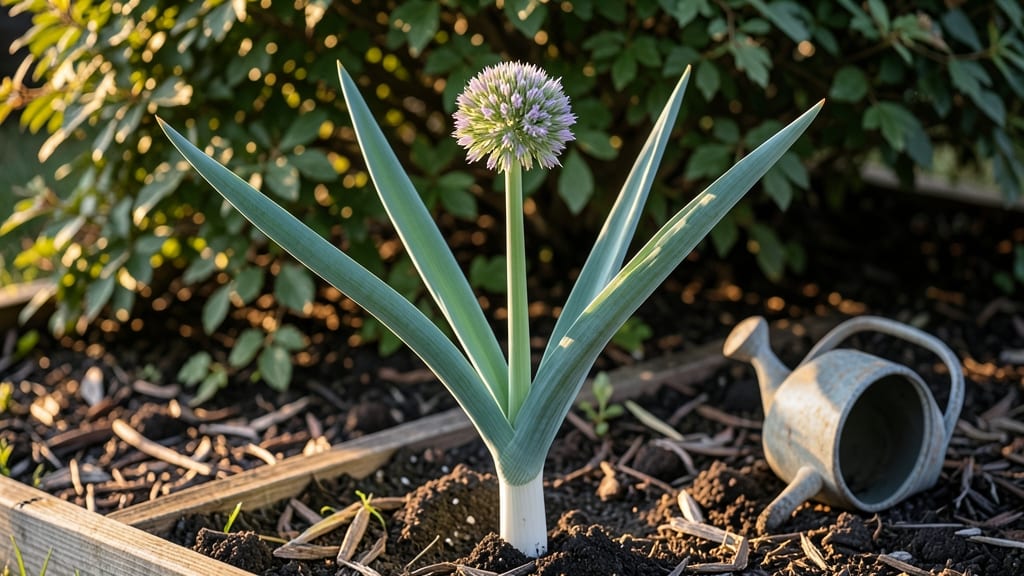
That first leek flower bud popping through the soil is a gardener’s secret signal—your plants are thriving, and the harvest is just the beginning. 🌱 I’ve watched my leeks go from tight white shafts to delicate, fragrant blooms that taste like a cross between onion and sweetness, and they’re easier to grow than you’d think.
The key lies in understanding when those buds appear, how to encourage them without sacrificing your greens, and why they’re worth the wait.
Leek flower buds emerge in late spring or early summer, signaling the plant’s shift from storage to reproduction.
If you’re growing for greens, you’ll want to snip those buds early to keep the stalks tender—though if you’re after edible blooms, let them mature for a mild onion flavor and delicate petals.
The buds themselves are a bonus: fragrant, slightly sweet, and perfect for garnishes or stir-fries, though they won’t last long once they open.
Here’s the game-changer: pruning the flower stalk at the base when it’s just a few inches tall keeps the energy flowing into your leek greens instead of the bloom.
But if you’re growing leeks for seed or just love the look of those pale purple buds, leave them be—they’ll add a unique, edible beauty to your garden. Either way, you’re getting double the harvest: stalks and blooms.
This works for both garden beds and containers, though container-grown leeks may bolt faster in hot climates. For cooler zones, the process is even more forgiving—just keep an eye on those emerging stalks.
Whether you’re growing for food or flowers, leek flower buds turn a simple vegetable into a two-part feast.
📚 In This Guide
- What you need
- Instructions
- Tips and common mistakes
- Wrapping up and next steps
What you need
- ● Leek seeds or seedlings: Choose Allium porrum varieties known for producing flower buds (e.g., 'King Richard' or 'Musselburgh'). Start with 3–5 plants for a small harvest.
- ● Well-draining potting mix: A blend of 60% garden soil, 30% compost, and 10% perlite (or coco coir for moisture control). Avoid heavy clay.
- ● Containers or garden bed: Containers: 10–12-inch diameter pots with drainage holes (1 plant per pot).
- ● Garden bed: Full sun (6+ hours/day) and loose, fertile soil with a pH of 6.0–7.0.
- ● Slow-release fertilizer: 5–10–10 NPK ratio (e.g., Osmocote) or organic options like worm castings.
- ● Watering can with a fine rose: For gentle hydration without disturbing roots.
- ○ Gloves: Optional but helpful for handling sharp leek leaves.
- ● Pruners or clean scissors: For harvesting buds (sterilize with rubbing alcohol).
- ○ Stake or trellis (optional): Tall leeks (2+ feet) may need support as buds develop.
- ○ pH testing kit (optional): To monitor soil acidity for optimal growth.
- ● Patience! 🌱 Leek flower buds take 120–180 days to mature from seed.
Step-by-step instructions for cultivating leek flower buds
Here's how to coax those delicate, fragrant blooms from your leeks—no fancy tricks, just patience.
🌱 Step 1: Start Leeks from Seed Indoors
Leeks take time to mature, so begin with seeds 8-10 weeks before your last frost date. Fill 2-3 inch deep seed trays with sterile seed-starting mix—never garden soil, which can harbor rot. Press seeds ¼ inch deep, spacing them ½ inch apart in rows 1 inch apart. Moisten the soil with a spray bottle until damp but not soggy.
Cover the tray with plastic wrap or a humidity dome to retain warmth and moisture. Place in a warm spot (70-75°F) until germination, which usually takes 10-14 days. Keep the soil consistently moist—never let it dry out—but avoid soggy conditions. Once sprouts appear, remove the cover immediately to prevent damping-off disease.
☀️ Step 2: Transplant Seedlings Outdoors
When seedlings have 4-5 true leaves (about 6-8 weeks after sowing), harden them off by placing them outside in partial shade for 1-2 hours the first day, gradually increasing exposure over 7-10 days. Transplant outdoors after the last frost when soil temperatures reach 50°F or warmer. Choose a location with full sun to partial shade—leeks tolerate light shade better than full sun in hot climates.
Dig trenches 6-8 inches deep and space seedlings 4-6 inches apart. Bury them deeply to encourage thick, tender stems—a signature of leeks. Water thoroughly after planting to settle the soil around the roots. Mulch with 2-3 inches of straw to retain moisture and suppress weeds. You’ll know they’re thriving when they grow steadily and leaves stay vibrant green.
💧 Step 3: Encourage Flower Bud Formation
Leeks typically bolt (flower) in their second year, so focus on long-day varieties if you want blooms earlier. In their first year, let them grow undisturbed—no harvesting—to build strong roots. By late summer of the second year, you’ll notice shoot growth emerging from the center. This is the flower stalk, and it’s your cue to reduce nitrogen (stop fertilizing with high-nitrogen feeds) and increase phosphorus/potassium to support blooming.
Water consistently—1 inch per week—but avoid overwatering, which can cause rot. If the stalk grows leggy, stake it lightly to prevent breakage. Once buds form, they’ll open into delicate, spherical clusters with a mild onion scent. Harvest buds when they’re half-open for the best flavor and texture—fully bloomed flowers are still edible but less tender.
✂️ Step 4: Harvest and Use the Blooms
Cut the flower stalks at the base with clean shears, leaving 2-3 inches of stem. Rinse gently to remove dirt, then pat dry. The buds and stems are both edible—buds have a sweet, mild onion flavor, while stems are crisp and slightly garlic-like. Use them in salads, as a garnish, or lightly sautéed like scallions. Store unwashed in a paper towel-lined container in the fridge for 3-5 days or freeze for longer storage.
After harvesting, the leek may produce secondary shoots—leave these to grow for another harvest. If the plant bolts too early in the first year, you can still enjoy the young flower shoots (called "blind stems") by harvesting them before they fully open. These are a delicacy in many cuisines and add a unique texture to dishes.
Tips & tricks for perfect leek flower bud cultivation
Here's what nobody tells you about growing these delicate, fragrant blooms—tricks that'll make all the difference between a modest harvest and a bountiful one.
Timing is Everything: That 8-10 week indoor starting window is critical—don't rush it! If you plant too late, your leeks won't have enough time to establish strong roots before winter. I've learned this the hard way after watching seedlings freeze in my first attempt. Use a seed-starting calendar to mark your last frost date, then count backward. For extra insurance, start a second batch 2 weeks later in case of germination failures.
Heat Control: Maintaining that 70-75°F germination temperature is easier said than done, especially if you don't have a heat mat. Place your seed trays on top of your refrigerator or near a sunny window with a clear plastic cover. I've found that a small, portable seedling heat mat (about $15) makes all the difference—it keeps the soil consistently warm without overheating. Just remember to remove the cover once sprouts appear to prevent damping-off disease.
Transplanting Technique: The 6-8 inch deep trenches aren't just for show—they're what give leeks their signature thick stems. Use a garden trowel to create vertical slots rather than shallow holes. After transplanting, gently pat the soil around each seedling to eliminate air pockets. I've noticed that seedlings planted in deeper trenches with their lower stems buried develop significantly thicker, more tender stems by harvest time.
Freeze Protection: If you're growing in colder climates and need to transplant before soil reaches 50°F, create a mini greenhouse effect by covering the area with clear plastic sheeting secured with bricks or stakes. This creates a warm microclimate that protects young plants from frost while still allowing sunlight. Remove the cover during the day once temperatures stabilize above freezing.
Pro Tips for Leek Flower Bud
- Here's what nobody tells you about growing these delicate, fragrant blooms—tricks that'll make all the difference between a modest harvest and a bountiful one.
- Timing is Everything: That 8-10 week indoor starting window is critical—don't rush it!
- Heat Control: Maintaining that 70-75°F germination temperature is easier said than done, especially if you don't have a heat mat.
Frequently asked questions
Got questions about growing and enjoying leek flower buds? You’re not alone! Here are answers to the most common queries—from timing to troubleshooting—so you can savor these edible, fragrant blooms with confidence.
What’s the best time to harvest leek flower buds?
Harvest leek flower buds when they’re tightly closed but just starting to show color—usually in late spring to early summer, depending on your climate. Overripe buds open into star-shaped flowers, losing their delicate, onion-garlic flavor. Pro tip: Snip them with clean scissors to avoid damaging the plant!
Can I eat leek flower buds raw, or do I need to cook them?
Yes! Leek flower buds are edible raw—their mild, sweet flavor pairs well in salads or as a garnish. For a deeper flavor, lightly sauté them in butter or olive oil (just 2–3 minutes). Warning: Some people report a slight bitterness if overcooked, so treat them like delicate greens.
Why aren’t my leek plants producing flower buds?
Leek flower buds thrive in cool weather (50–70°F) and need at least 6–12 months to mature. If your plants aren’t flowering, check these:
- Age: Leeks are biennials—buds form in their second year.
- Light: Ensure they get full sun (6+ hours/day).
- Nutrients: Feed with low-nitrogen fertilizer (like 5-10-10) to encourage blooming.
What’s a good substitute if I can’t grow leek flower buds?
If you’re craving that oniony, floral crunch but can’t grow leeks, try these:
- Chive blossoms (milder, sweeter)
- Green onion tops (raw or lightly cooked)
- Asparagus shoots (young, tender tips)
- Garlic chives (similar flavor profile)
Are leek flower buds safe for pets?
While leek flower buds aren’t toxic to pets, they can cause mild stomach upset due to thiosulfates (compounds in onions/leeks). Keep them out of reach of dogs and cats—opt for pet-safe garnishes like basil or parsley instead. When in doubt, check with your vet!
Wrapping up and next steps
Growing leek flower buds is a rewarding journey that combines beauty and edible delight! These fragrant blooms not only elevate your garden’s charm but also offer a unique, onion-like flavor to your dishes.
Whether you’re a seasoned gardener or a curious beginner, the key is patience, proper care, and a little creativity in the kitchen.
Now that you’re equipped with the know-how, why not plant your first batch this season? Start small, experiment with flavors, and share your harvest with friends—your garden (and taste buds) will thank you! 🌱✨