
Lawn
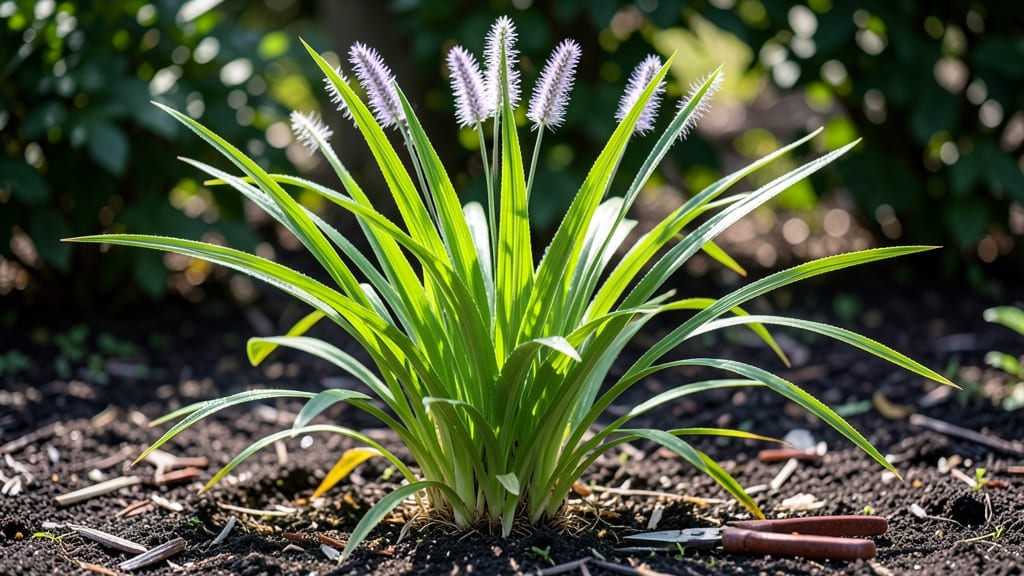
Growing lemon grass flowers in the Pacific Northwest means beating frost with a plant that thrives where others fail. 🌱 I learned the hard way that standard tropical varieties won’t survive our chilly winters—but this hardy cousin does, with fragrant plumes that attract pollinators and add unexpected texture to gardens.
The secret starts with the right variety: look for Cymbopogon nardus cultivars bred for cooler climates. You’ll need well-draining soil mixed with compost, and a spot that gets at least 6 hours of sunlight daily—though morning sun with afternoon shade works best in hot summers.
Propagation from rhizomes (not seeds) gives you the strongest, frost-tolerant starts.
By late summer, you’ll spot those delicate, feathery flowers shooting up—each one packed with citrusy aroma. The blooms may not be showy like roses, but they’re edible, medicinal, and irresistible to bees.
Harvest them for teas, garnishes, or dried arrangements, or let them go to seed for next year’s plants.
Here’s the game-changer: mulch heavily in fall to protect roots, and you’ll get two growing seasons out of one plant. Even in Zone 8, I’ve seen these survive light frosts—just don’t expect blooms until the second year. Ready to grow something different?
📚 In This Guide
- What you need
- Instructions
- Tips and common mistakes
- Wrapping up and next steps
What you need
- ● Lemon grass flower rhizomes: 3–5 healthy, firm rhizomes (1–2 inches long) from a nursery or trusted grower. Pro tip: Choose ones with visible buds or early shoots! 🌱
- ● Well-draining potting mix or garden soil: 5–10 gallons, amended with compost (20–30% by volume) for nutrients. PNW tip: Mix in perlite or sand (1 part) to improve drainage in heavy clay soils.
- ● Container or garden bed: For containers: 1–2 large pots (12+ inches deep) with drainage holes. Material: Terracotta or fabric pots (to prevent rot).
- ● For in-ground planting: A sheltered spot (e.g., near a south-facing wall) with partial shade (morning sun, afternoon shade).
- ● Mulch: 2–3 inches of straw or wood chips to insulate roots in winter.
- ● Garden trowel or shovel (for transplanting rhizomes).
- ● Pruning shears (to trim dead foliage or divide rhizomes later).
- ● Watering can or hose with a gentle spray nozzle (lemon grass hates soggy roots!).
- ○ Optional but helpful: Slow-release fertilizer (balanced 10-10-10 or organic options like fish emulsion).
- ● Row cover or frost cloth (for early/late-season protection).
- ● pH test kit (ideal soil pH: 6.0–7.0).
- ● If your first frost is before Zone 8, start rhizomes indoors in late winter (under grow lights) and transplant after last frost.
- ● Avoid windy spots—lemon grass flowers are tender in gusts.
Step-by-Step instructions for cultivating frost-resilient lemon grass flowers
Here’s how to establish hardy lemon grass in your Pacific Northwest garden.
🌱 Step 1: Select and Prepare Planting Sites
Choose a location with partial shade—morning sun and afternoon shade protect the delicate foliage from harsh afternoon rays. Lemon grass thrives in well-draining soil with a pH between 6.0 and 7.0. If your garden soil is heavy clay, amend it with 3 inches of compost before planting to improve drainage.
Dig holes twice as wide as the root ball but only as deep as the container’s base. This prevents burying the crown too deeply, which can cause rot. Space plants 18-24 inches apart to allow airflow and reduce fungal risks. I always test soil moisture before planting—if it feels damp more than an inch down, wait a few days or plant in raised beds to avoid waterlogged roots.
💧 Step 2: Plant and Water for Establishment
Gently remove the lemon grass from its container, loosening any circling roots with your fingers. Place it in the hole so the top of the root ball sits level with the soil surface—never deeper. Backfill with native soil, pressing lightly to eliminate air pockets but not compacting too firmly.
Water deeply immediately after planting to settle the soil around the roots. Use 1 gallon of water per plant to ensure moisture reaches the root zone. For the first two weeks, maintain consistent moisture by watering every 2-3 days—enough so the top 2 inches of soil stay damp but not soggy. Mulch with 2 inches of shredded bark around the base to retain moisture and suppress weeds.
☀️ Step 3: Protect from Frost and Monitor Growth
Lemon grass flowers are surprisingly resilient to light frosts (down to 25°F), but young plants need extra care. Cover them with frost cloth whenever temperatures dip below 30°F for more than a few hours. I’ve found that even a lightweight row cover works—just secure it tightly to prevent wind damage.
Watch for new growth in 3-4 weeks. Healthy plants will show bright green, upright leaves and may produce fragrant white flowers in late summer. If leaves yellow or wilt, check for overwatering—lemon grass prefers slightly dry conditions between waterings. Adjust your schedule to water only when the top 1-2 inches of soil feel dry to the touch.
✂️ Step 4: Prune and Maintain for Long-Term Health
Deadhead spent flowers in early fall to encourage a second bloom cycle in mild Pacific Northwest climates. Cut back stems to 6 inches tall after flowering to promote bushier growth. Avoid heavy pruning in late fall—this can stress the plant before winter dormancy.
In early spring, trim any damaged or brown leaves with clean, sharp pruners. Apply a balanced 10-10-10 fertilizer lightly around the base in early April to support new growth. I’ve noticed that lemon grass flowers respond well to foliar feeding—a diluted seaweed spray in late summer boosts cold hardiness for winter.
Tips & tricks for growing hardy lemon grass flowers
Lemon grass flowers thrive with the right care—here’s how to ensure your Pacific Northwest garden becomes their perfect home.
Site Selection Secret: The partial shade recommendation in Step 1 isn’t just about avoiding harsh afternoon sun—it’s about creating the ideal microclimate. I’ve found that positioning plants near a north-facing wall or under deciduous trees (like maple or birch) gives them morning sun while protecting them from the intense summer rays that can scorch the delicate foliage. The 18-24 inch spacing isn’t arbitrary either—it allows for proper airflow, which is critical for preventing fungal diseases that thrive in our damp Pacific Northwest climate.
Root Zone Mastery: When planting in Step 2, focus on the root ball’s position—it should sit level with the soil surface, never buried deeper. I learned this the hard way after losing three plants to crown rot from improper planting depth. For heavy clay soils, consider creating raised beds with a mix of native soil and compost (50/50 ratio) to improve drainage. The 2-inch mulch layer isn’t just for moisture retention; it also helps regulate soil temperature, which is especially important during our cool, wet springs.
Frost Protection Strategy: The 25°F resilience mentioned in Step 3 is impressive, but young plants need extra care when temperatures dip below 30°F. I’ve had success using a lightweight row cover secured with bricks or landscape pins—this creates a protective barrier while still allowing sunlight and water to penetrate. For more severe frosts, consider adding a layer of straw mulch (3-4 inches) around the base before applying the frost cloth. This extra insulation can make all the difference during our unpredictable winter weather patterns.
Watering Wisdom: The 2-week establishment period in Step 2 is critical—this is when roots are most vulnerable. I’ve found that using drip irrigation during this phase ensures consistent moisture without overwatering. After the initial period, let the top 1-2 inches of soil dry between waterings, but never allow the soil to become bone dry. Lemon grass flowers are surprisingly drought-tolerant once established, but they won’t forgive neglect during their first few months in the ground.
Pro Tips for Lemon Grass Flower
- Lemon grass flowers thrive with the right care—here’s how to ensure your Pacific Northwest garden becomes their perfect home.
- Site Selection Secret: The partial shade recommendation in Step 1 isn’t just about avoiding harsh afternoon sun—it’s about creating the ideal microclimate.
- Root Zone Mastery: When planting in Step 2, focus on the root ball’s position—it should sit level with the soil surface, never buried deeper.
Frequently asked questions
Can lemon grass actually flower in cold climates like the PNW?
Yes! While Cymbopogon citratus (true lemongrass) is tropical, its flowering cousin, Andropogon citratus or lemon grass flower, thrives in milder PNW zones (6-9). Start seeds indoors in spring or plant young transplants after frost. Use frost cloth in late fall to protect emerging blooms. Pro tip: Choose dwarf varieties for smaller gardens—they’re hardier!
How long does it take for lemon grass flowers to bloom?
With proper care, expect blooms 6–12 months after planting. Fast-track flowering by:
- Planting in well-draining soil (mix in compost!)
- Watering deeply 2–3x/week (drought stress delays blooms)
- Fertilizing lightly with low-nitrogen feed (like 5-10-10) in early spring
Cold snaps can pause growth—just be patient!
What if my lemon grass flower isn’t blooming? Troubleshooting tips.
Try these fixes if your plant is leafy but not flowering:
Issue
Solution
Not enough sunlight
Move to 6+ hours of full sun (even partial shade slows blooms).
Over-fertilizing
Switch to phosphorus-rich fertilizer (bloom booster!) or stop feeding for 2 months.
Root-bound
Repot in spring if roots circle the container.
Bonus: Prune old stems in early spring to encourage new growth (and blooms!).
Can I grow lemon grass flowers from seed, or should I buy plants?
Both work! Seeds take longer (10–14 days to germinate) but are cheaper. For faster blooms, buy 1–2 gallon nursery starts (they’re already 6+ months old). PNW hack: Soak seeds in warm water for 24 hours before planting to boost germination rates.
Are lemon grass flowers edible, and how do I use them?
Yes! The blooms, leaves, and stems are edible—use them like culinary lemongrass:
- Infuse oils for dressings (great on fish or salads)
- Steep in tea for a citrusy, floral brew
- Garnish cocktails (try a mojito twist!)
Caution: Some people are allergic—test a small amount first!
Wrapping up and next steps
Growing lemon grass flower in the Pacific Northwest is not only rewarding but also a fantastic way to add a fragrant, frost-resilient touch to your garden.
Whether you're drawn to its delicate blooms or its citrusy charm, this plant thrives with the right care—sunlight, well-draining soil, and a little patience. Now that you’re armed with tips and answers, why not take the next step? Plant a few stems this season and watch your garden transform into a fragrant oasis! 🌱✨