
Planting
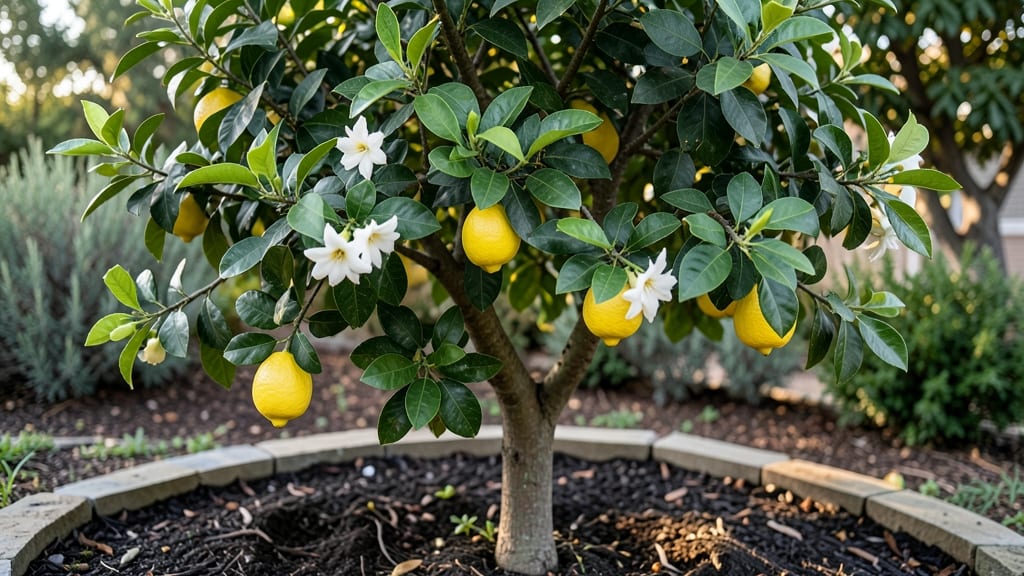
The moment your lemon plant flower unfurls into delicate white petals, it’s not just a pretty sight—it’s the promise of juicy homegrown lemons. 🌸 I’ve watched my own citrus trees go from bare branches to heavy with fruit, and it all starts with understanding when (and how) those flowers appear.
The timing matters more than most gardeners realize, because blooms that drop without fruiting mean missed harvests.
The magic happens in late winter or early spring when days grow longer, but your plant needs help beyond just sunlight. Consistent watering, balanced fertilizer, and even a gentle shake to encourage pollination make all the difference.
My first lemon tree produced zero fruit until I learned these tricks—now it’s covered in blossoms by March.
You’ll end up with clusters of fragrant white flowers that fill the air with a sweet, citrusy perfume. Each successful bloom has the potential to become a juicy lemon, but only if you handle the pollination right.
The key is patience—some varieties take up to a year from flower to fruit, but the wait is worth it for that first homegrown squeeze.
Works for dwarf Meyer lemons, standard varieties, and even container-grown plants. Here’s how to turn those blooms into a harvest you’ll actually enjoy—no more empty promises from the tree.
📚 In This Guide
- What you need
- Instructions
- Tips and common mistakes
- Wrapping up and next steps
What you need
- ● Lemon plant (Citrus × limon or Meyer lemon) – A healthy, mature plant (3+ years old) with no signs of disease. Pro tip: Choose one with visible buds or early blooms for faster results!
- ● Well-draining potting mix – A blend of 60% peat or coconut coir, 20% perlite, and 20% sand or pumice (for pots). For in-ground planting, amend soil with compost and coarse sand.
- ○ Balanced fertilizer (10-10-10 or 20-20-20) – 1 tbsp per gallon of water during blooming season (spring/fall). Optional: Use citrus-specific fertilizer for better results.
- ● Watering can with a fine rose nozzle – For gentle, deep watering without disturbing roots.
- ● Pruning shears (sterilized) – Sharp, clean shears to trim dead blooms or encourage new growth.
- ○ Spray bottle (optional but helpful) – For misting leaves if humidity is low.
- ● Epsom salt (magnesium sulfate) – 1 tsp per gallon of water monthly to boost flower production.
- ● Bees or pollinators – If indoors, hand-pollinate flowers with a soft paintbrush to ensure fruit set.
- ● Grow lights (LED, full-spectrum) – For 12–14 hours/day if natural light is limited.
- ● Mulch (straw or wood chips) – To retain moisture and regulate soil temperature.
How to encourage lemon tree flowers for fragrant citrus blooms
Here's the method I've used to coax lemon trees into abundant flowering—it's all about timing and care.
🌱 Step 1: Provide the Right Growing Conditions
Lemon trees need bright, indirect light for at least 6-8 hours daily—a south-facing window works best. If your tree isn't flowering, it might be getting too much shade or drafts. I keep mine near a window but not in direct midday sun, which can scorch leaves. The ideal temperature range for blooming is 60-80°F—any colder, and flowers won't form.
Use well-draining citrus potting mix (never garden soil) to prevent root rot, which stresses the tree and stops flowering. I repot every 2-3 years in spring, using a pot just 1-2 inches larger than the last. Overly large pots hold too much moisture, delaying blooms. Watch for yellowing leaves—they’re a sign of overwatering or poor drainage.
☀️ Step 2: Mimic Seasonal Changes to Trigger Blooming
Lemon trees bloom best with a winter rest period—even if you're growing indoors. Reduce watering in late fall and winter, letting the top 1-2 inches of soil dry out between waterings. This dormancy trick tells the tree it's time to flower. I move my tree to a cooler spot (50-60°F) during this time, which mimics outdoor winter conditions.
In early spring, gradually increase water and light. The shock of warmer temps and more sunlight triggers bud formation. You’ll see tiny flower buds appear in 3-6 weeks—they look like tiny green bumps where leaves meet stems. Don’t fertilize yet; wait until buds form, then switch to a low-nitrogen, high-phosphorus fertilizer to support blooming.
💧 Step 3: Water and Feed for Healthy Flowers
Once buds form, water deeply but let the soil dry slightly between waterings—soggy roots kill flowers. I check soil moisture by sticking my finger 1 inch deep; if it’s dry, it’s time to water. Avoid wetting the leaves or flowers, as this can cause fungal issues. A self-watering pot helps maintain consistent moisture without overdoing it.
Feed your tree with a balanced citrus fertilizer every 4-6 weeks during blooming season. I use a 10-10-10 or 8-3-9 formula diluted to half strength. Too much nitrogen makes the tree grow leaves instead of flowers. Watch for dark green, fast-growing foliage—that’s a sign to cut back on fertilizer. Flowers will drop if the tree is stressed, so keep conditions stable.
✂️ Step 4: Prune to Encourage More Blooms
Prune your lemon tree in late winter or early spring before new growth starts. Remove any dead, diseased, or crossing branches first—this improves airflow and reduces stress. Then, cut back overly long branches by 1/3 to encourage bushier growth, which leads to more flower clusters. I use clean, sharp pruners and make cuts just above a leaf node.
Avoid heavy pruning in summer, as this can delay flowering. Instead, focus on shaping the tree lightly after blooms fade. You’ll see new buds form along the pruned branches in 4-6 weeks. If your tree flowers but drops them, it might need more sunlight or less water. Adjust gradually—sudden changes shock the tree.
Tips & tricks for perfect lemon tree flowers
Here's what nobody tells you about getting those fragrant citrus blooms—these details make all the difference.
Lighting Strategy: That 6-8 hours of bright, indirect light is critical, but placement matters just as much. Position your tree near an east-facing window to avoid harsh afternoon sun, which can scorch leaves and stress the plant. If you notice leaves curling or turning yellow near the edges, your tree might be getting too much direct sun—move it back 6-12 inches. For indoor growers without good windows, a grow light on a timer set for 12 hours daily works wonders. I've seen trees that barely bloomed in dim light suddenly burst with flowers after just two weeks with proper lighting.
Winter Rest Timing: The winter rest period in Step 2 is your secret weapon, but timing is everything. Start reducing water in late October or November when days grow shorter. That 50-60°F cooler spot should feel chilly to you—think basement corner or unheated garage with a window. If you live in a warm climate, move your tree outside during winter months if possible. I once skipped this step and my tree produced only a handful of flowers instead of the usual 50 blooms. The temperature drop triggers the hormonal changes that lead to flowering.
Fertilizer Transition: Switching to low-nitrogen, high-phosphorus fertilizer when buds form is crucial, but don't wait too long. I've seen flowers drop when the tree was still getting regular fertilizer. Look for a fertilizer with phosphorus as the middle number—like 10-10-10 or 8-3-9—and always dilute it to half strength. Too much fertilizer causes salt buildup in the soil, which can actually prevent flowering. After applying, water thoroughly to help distribute the nutrients evenly through the soil.
Pruning Precision: When you're cutting back those overly long branches by 1/3 in Step 4, aim for clean cuts just above a leaf node where new growth can emerge. Use sharp pruners to avoid tearing the bark, which can introduce disease. I like to prune on a dry day when the tree isn't stressed from watering. After pruning, give your tree a light spray of water to help it recover. The new growth from pruned branches often produces the most flowers, so don't be afraid to be bold with your cuts—just make them at the right time of year.
Pro Tips for Lemon Plant Flower
- Here's what nobody tells you about getting those fragrant citrus blooms—these details make all the difference.
- Lighting Strategy: That 6-8 hours of bright, indirect light is critical, but placement matters just as much.
- Winter Rest Timing: The winter rest period in Step 2 is your secret weapon, but timing is everything.
Frequently asked questions
Got questions about coaxing those stunning lemon plant flowers to bloom? You’re not alone! Here are some of the most common queries—plus quick answers to help you grow fragrant citrus beauty with confidence.
Why isn’t my lemon plant flowering?
Lemon plants (like most citrus) need patience and the right conditions. Young plants (under 3 years old) often skip flowering. Check for these key factors: 6+ hours of sunlight daily, well-draining soil, and consistent watering (avoid soggy roots). Cold drafts or sudden temperature drops can also stall blooms. Try moving your plant to a sunny, sheltered spot and fertilize with a citrus-specific blend in spring.
How long does it take for a lemon plant to flower?
With ideal care, mature lemon plants (3–5 years old) typically produce flowers spring through fall. Dwarf varieties may bloom sooner (1–2 years), while standard trees take longer. Pro tip: Prune lightly after flowering to encourage new growth—and more blooms next season!
Can I grow lemon flowers indoors?
Yes! But success depends on replicating outdoor conditions. Place your plant near a south-facing window (or use a grow light for 12+ hours/day). Humidity helps—try a pebble tray or occasional misting. Warning: Indoor lemon plants may produce fewer flowers than outdoor ones due to limited sunlight. If blooms appear, hand-pollinate with a soft brush to boost fruit set.
Do lemon plant flowers need pollination?
While bees and butterflies love lemon flowers, they’re self-pollinating—meaning they can fertilize themselves! If you’re growing indoors or notice few pollinators, gently tap the flowers with a cotton swab or brush the stamens against pistils. Bonus: Fragrant blooms attract pollinators outdoors, so enjoy the show!
What do I do if my lemon plant flowers drop off?
Dropping flowers are often a sign of stress. Common culprits:
- Overwatering: Let soil dry slightly between waterings.
- Nutrient deficiency: Feed with a balanced fertilizer (e.g., 6-6-6) every 4–6 weeks.
- Temperature shock: Keep plants away from drafts or AC vents.
- Pests: Check for aphids or spider mites (spray with neem oil if needed).
Wrapping up and next steps
Growing a lemon plant with stunning, fragrant flowers is a rewarding journey that combines patience, care, and a touch of citrus magic! 🌸 Whether you’re drawn to the delicate blooms or the promise of homegrown lemons, your efforts will bring beauty—and maybe even a zesty harvest—to your space. Ready to take the next step? Start by monitoring your plant’s progress, and don’t hesitate to experiment with pruning or fertilizing to encourage even more blooms.
Happy gardening!