
Flowers
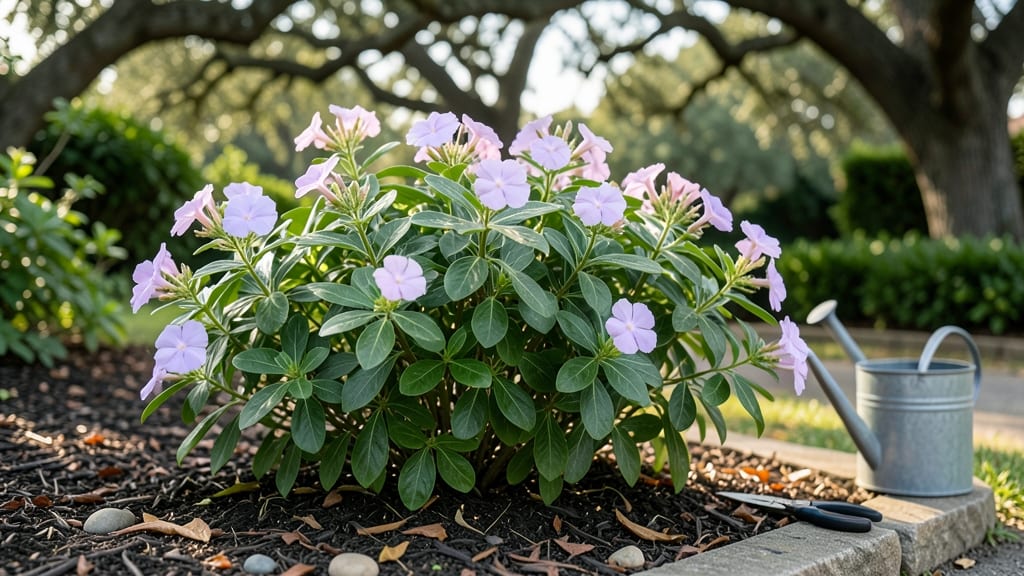
Madagascar periwinkle flowers bring that impossible tropical vibe to your garden—even in Zones 9-11 where they naturally shine. 🌺 I remember the first time I saw their delicate pink and white blooms spilling over a patio edge, and I knew they'd be my go-to for color that lasts from spring through frost.
The secret to their success isn't complicated: they crave sun, well-draining soil, and a "set it and forget it" watering routine once established.
You'll need just three things to get started: a sunny spot with at least 6 hours of direct light, a mix of potting soil and sand for drainage, and patience—because these plants reward consistency over fussing.
They thrive in containers too, making them perfect for balconies or small yards where space is tight. The real magic happens when they're happy: clusters of star-shaped flowers appear continuously, and the glossy green foliage stays lush even in summer's heat.
Once planted, they're nearly indestructible—drought-tolerant once established, resistant to most pests, and happy to spread slowly if you let them. The only challenge? Keeping them from becoming leggy in shady spots.
With the right care, you'll have a plant that blooms nonstop, attracts butterflies, and turns heads without needing constant attention. Here's how to make it happen without the guesswork.
Whether you're growing them in the ground or pots, the key is matching their natural tropical habits to your climate. In cooler zones, treat them as annuals—they'll give you a stunning summer show before winter fades them out.
But in their ideal range? They'll keep flowering until frost, proving that tropical beauty doesn't need a passport to thrive.
📚 In This Guide
- What you need
- Instructions
- Tips and common mistakes
- Wrapping up and next steps
What you need
- ● Seeds: High-quality Madagascar periwinkle seeds (choose from varieties like 'Pacifica,' 'Little Bright Eye,' or 'Purity'). Quantity: 10–20 seeds per plant (or follow packet instructions).
- ● Potting mix: Well-draining, sterile seed-starting mix or a blend of 50% peat moss, 30% perlite, and 20% vermiculite.
- ● Containers: Seed trays (with drainage holes) for germination.
- ● 4–6 inch pots for young seedlings (transplant later).
- ● Growing medium (outdoor): Loamy, slightly acidic soil (pH 6.0–7.0) amended with compost for nutrients.
- ● Hand trowel or small shovel for transplanting.
- ● Spray bottle (for gentle watering during germination).
- ○ Gloves (optional, to protect hands from soil).
- ● Pruning shears (for trimming leggy stems or deadheading).
- ● Mulch (straw or shredded bark to retain moisture).
- ● Sunlight: Full sun to partial shade (6+ hours of direct light daily).
- ● Climate: Hardiness zones 9–11 (or grow as an annual in cooler zones).
- ● Watering schedule: Keep soil consistently moist (not soggy) during germination; reduce once established.
- ● Fertilizer: Balanced, water-soluble fertilizer (10-10-10) every 4–6 weeks during growing season.
- ● Grow lights for indoor seed starting.
- ● Epsom salt (for magnesium boost, especially in flowering stages).
- ● Copper fungicide (prevents powdery mildew in humid climates).
- ● Decorative garden stakes or cages (to support tall varieties).
Step-by-step guide to planting and caring for Madagascar periwinkle
Here's how to coax these vibrant bloomers into thriving, year-round color.
🌱 Step 1: Choose the Perfect Spot and Prepare the Soil
Madagascar periwinkle loves bright, indirect light—think dappled shade under palm trees or a morning sun location. In full sun, the leaves may scorch, while too much shade reduces flowering. I always check for 6+ hours of filtered light daily before planting.
Amend your soil with 2-3 inches of compost to improve drainage, since these tropical beauties hate soggy roots. The ideal soil mix should feel like a damp sponge—not compacted, but holding moisture without pooling. A simple soil test will tell you if your native soil needs sand or organic matter to lighten it up.
☀️ Step 2: Plant with Proper Spacing and Watering
Space plants 12-18 inches apart to allow airflow and prevent fungal issues. Dig holes just slightly deeper than the root ball and place plants so the top of the root ball sits ½ inch below soil level. This helps establish strong roots before top growth resumes.
Water deeply right after planting to settle the soil around roots, then maintain 1 inch of water weekly. Let the top 1-2 inches of soil dry between waterings—periwinkle tolerates brief dry spells better than soggy conditions. You'll know it's time to water when the leaves start to droop slightly in the afternoon.
🌿 Step 3: Feed and Prune for Continuous Blooms
Apply a balanced, water-soluble fertilizer (10-10-10) every 4-6 weeks during the growing season. I swear by a half-strength dose to avoid burning tender roots. The key is consistency—periwinkle responds best to regular, light feeding rather than heavy doses.
Deadhead spent blooms by pinching off flowers just above the next set of leaves. This encourages nonstop flowering and prevents the plant from putting energy into seed production. I do this every 2-3 weeks during peak bloom, and the plants reward me with dense clusters of pink, white, or lavender flowers all season long.
✂️ Step 4: Winter Care for Zones 9-11
In cooler months, reduce watering to every 10-14 days unless you're in a frost-free microclimate. The plants will slow growth but stay evergreen. If nighttime temps dip below 50°F, move potted plants to a sheltered spot or bring them indoors near a bright window.
Here's the thing—periwinkle is surprisingly tough. I've seen it bounce back from accidental frost with just a little yellowing. Just trim back any damaged growth in spring, and it'll put out fresh foliage within weeks. The secret is never letting the soil dry completely during winter.
Tips & tricks for perfect Madagascar periwinkle flowers
Here's what I've learned from years of growing these stunning tropical bloomers—simple secrets that make all the difference.
Lighting Secret: Those 6+ hours of filtered light are non-negotiable! If your yard has harsh afternoon sun, try planting near a north-facing wall or under palm trees. I've seen periwinkle leaves burn when exposed to direct midday rays—watch for yellowing edges as your first warning sign. For container growing, place plants near east-facing windows where they'll get gentle morning light without scorching.
Soil Prep Strategy: The 2-3 inches of compost isn't just about drainage—it's about creating that perfect "damp sponge" texture. I like to mix in a handful of perlite or coarse sand for extra aeration, especially in heavy clay soils. Pro tip: Test your soil's moisture level by squeezing a handful—it should hold together but not be sticky. If it's too dense, add more organic matter before planting.
Watering Wisdom: That 1-inch weekly watering guideline works best when you check soil moisture first. Stick your finger 1-2 inches down—if it feels dry, water thoroughly until it runs out the drainage holes. The afternoon droop you'll see is actually a good thing! It's the plant's way of telling you it's thirsty. I water in the morning to give leaves time to dry before evening, which helps prevent fungal issues.
Winter Survival Hack: When temps dip below 50°F, don't panic if you see some yellowing. The key is to never let the soil dry completely—even if growth slows down. I've had periwinkle bounce back from light frost damage when I kept the roots consistently moist. For potted plants, move them to a sheltered spot like near a south-facing wall where they'll get reflected warmth during the day.
Pro Tips for Madagascar Periwinkle Flowers
- Here's what I've learned from years of growing these stunning tropical bloomers—simple secrets that make all the difference.
- Lighting Secret: Those 6+ hours of filtered light are non-negotiable!
- Soil Prep Strategy: The 2-3 inches of compost isn't just about drainage—it's about creating that perfect "damp sponge" texture.
Frequently asked questions
Can Madagascar periwinkle flowers grow in containers, or do they need to be planted in the ground?
These versatile plants thrive in containers as long as the pot has drainage holes and is at least 12 inches wide. Use a well-draining potting mix, and place them in a spot with bright, indirect light. Containers are perfect for patios or balconies in warmer climates (Zones 9-11). Just keep an eye on watering—containers dry out faster!
How long does it take for Madagascar periwinkle flowers to bloom after planting?
With ideal conditions (full sun to partial shade, consistent moisture, and rich soil), you can expect new growth and buds within 6–8 weeks. First blooms typically appear 3–6 months after planting, though established plants may flower more quickly. Pro tip: Pinch back leggy stems to encourage bushier growth and more flowers!
What’s the best way to overwinter Madagascar periwinkle in cooler climates (Zones 8 or below)?
Since these tropical beauties are not frost-tolerant, move potted plants to a sunny indoor spot (like a greenhouse or bright windowsill) before temperatures drop below 50°F (10°C). Reduce watering slightly but keep the soil lightly moist. In-ground plants in marginal zones may need heavy mulching or winter protection (like burlap wraps) to shield roots.
Are Madagascar periwinkle flowers toxic to pets or children?
Yes, they’re mildly toxic if ingested, thanks to alkaloids like vinblastine and vincristine. Symptoms in pets (or kids) may include drooling, vomiting, or lethargy. While not deadly in small amounts, keep plants out of reach. If ingestion occurs, contact your vet or poison control immediately. Pro tip: Opt for pet-safe alternatives like impatiens or begonias if you have curious critters!
Why aren’t my Madagascar periwinkle flowers blooming, even with good care?
Several factors might be at play:
- Too much shade: They need 4–6 hours of sunlight daily for robust blooms.
- Over-fertilizing: Too much nitrogen = lush leaves, fewer flowers. Use a balanced 10-10-10 fertilizer lightly every 4–6 weeks.
- Stress from transplant shock: Give newly planted perennials time to adjust (up to 3 months).
- Lack of deadheading: Snip spent blooms to encourage continuous flowering.
If the issue persists, check for pests (like aphids or spider mites) or root rot (from overwatering).
Wrapping up and next steps
From their stunning Catharanthus roseus blooms to their remarkable medicinal properties, Madagascar periwinkle flowers are a true gem for gardeners and plant enthusiasts in Zones 9-11.
Whether you're drawn to their vibrant colors, their resilience, or their ability to thrive in warm climates, these tropical beauties offer something for everyone. 🌸
Now that you’re equipped with the knowledge to grow and care for them, why not take the next step? Plant a few in your garden or balcony this season—you’ll be rewarded with a burst of color and a touch of Madagascar’s magic right at home! Happy gardening! 🌱