
Shrubs
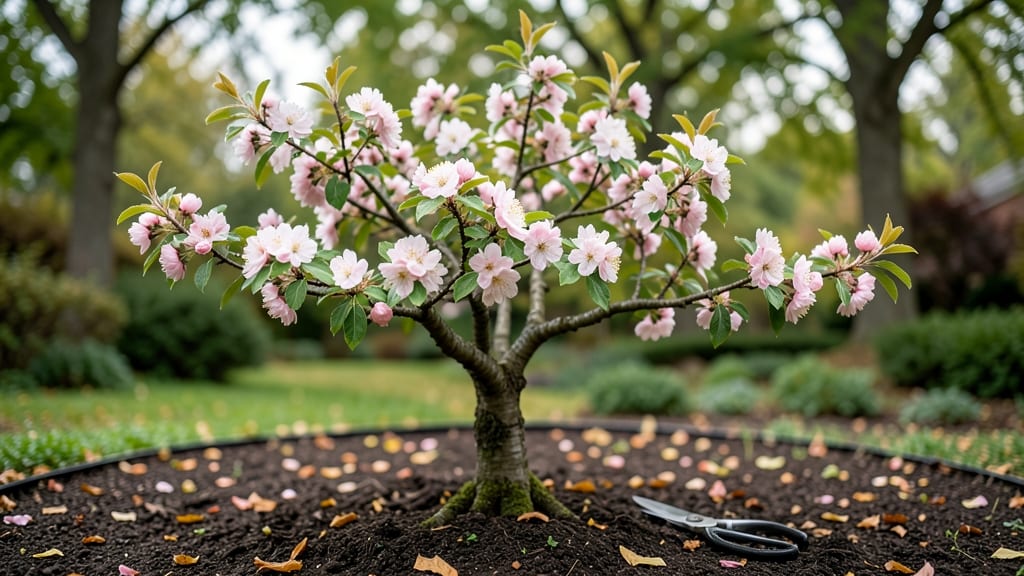
The Malus 'Hopa' flowering crabapple thrives in the Pacific Northwest's damp winters and mild summers—its glossy leaves and fragrant white blooms make it a standout for any yard. 🌿 I planted mine last spring, and now it's the first tree my neighbors notice when they walk by.
The key to keeping it looking its best? A pruning schedule that respects its natural rhythm, especially during our unpredictable frost cycles.
This variety handles our region's wet climate beautifully, but it does need well-draining soil and at least 6 hours of sunlight daily—morning sun with afternoon shade works best. Watering is simple: deep soaks once a week after establishment, with extra care during our dry summer spells.
The real magic happens when you prune at the right times, which I'll break down to keep your tree healthy and blooming for decades.
With proper care, your Malus 'Hopa' will reward you with vibrant spring flowers, disease-resistant foliage, and that coveted Pacific Northwest curb appeal. The best part?
It handles our frost without flinching, so you won't have to baby it through winter. Let's get into the details that'll keep your tree thriving year-round.
Whether you're planting a new tree or refreshing an existing one, this guide covers everything from soil prep to seasonal pruning—plus how to spot common issues before they become problems.
Your tree will thank you with bold new growth and a canopy that makes your yard the envy of the neighborhood.
📚 In This Guide
- What you need
- Instructions
- Tips and common mistakes
- Wrapping up and next steps
What you need
- ● Pruning shears: Bypass pruners (sharp, clean, and sterilized with rubbing alcohol or a 10% bleach solution). Specs: 6–8" blades for small branches.
- ● Loppers: For branches ½–1.5" thick. Choose ratcheting or bypass types for precision.
- ● Pruning saw: Bow saw or pruning saw for thicker branches (1.5" and up). Specs: 8–10" blade with fine teeth.
- ● Gloves: Heavy-duty, cut-resistant gloves (e.g., mechanics’ or pruning gloves) to protect from thorns and debris.
- ○ Disposable pruning seals: Pruning paint or tree wound dressing (optional but recommended for large cuts to prevent disease).
- ● Ladder or step stool: Sturdy, non-slip (e.g., aluminum extension ladder or foldable step stool) for taller branches.
- ● Cleaning supplies: Rubbing alcohol (70% isopropyl) or bleach solution (1 part bleach to 9 parts water).
- ● Paper towels or rags.
- ● Trash bags: Heavy-duty, compostable or contractor bags (10–20 gallons) for debris.
- ● Hand pruners: Compact bypass pruners for tiny twigs (¼" or less).
- ● Pruning rope: Nylon or parachute cord (for supporting weak branches temporarily).
- ● Safety gear: Safety glasses (to shield from debris).
- ● Long sleeves/pants (to protect from thorns and UV rays).
- ● Notebook & pen: To sketch your pruning plan or jot down notes on branch angles.
- ● Hose or spray bottle: For rinsing tools between cuts (prevents sap buildup).
Step-by-step instructions for pruning your Malus 'Hopa' crabapple
Here's the seasonal rhythm I follow to keep my Pacific Northwest 'Hopa' thriving—no guesswork, just results.
✂️ Step 1: Late Winter Cleanup (February)
This is your first critical window—prune right after the last hard frost (typically late February in the PNW) while the tree is still dormant. I grab my sharp bypass pruners and scan for dead, crossing, or diseased branches first. These are your priorities—remove them completely at the branch collar to prevent disease entry.
For the 'Hopa', I focus on thinning out 20-25% of the canopy to improve airflow. Look for branches growing inward or rubbing against others—these create weak points. Cut just outside the branch collar at a 45-degree angle to encourage clean healing. You'll notice the tree's natural structure becomes much clearer after this step.
Here's the thing—don't overdo it. The 'Hopa' flowers on old wood, so aggressive pruning now reduces next year's bloom potential. I limit myself to no more than 25% of the total canopy in any single year. If you're unsure, take a photo first—you can always remove more later if needed.
🌿 Step 2: Post-Bloom Light Pruning (May-June)
After the spectacular spring bloom fades (usually late May to early June in the PNW), do a light maintenance prune to shape the tree and remove any water sprouts that appeared this season. These are the fast-growing, vertical shoots that pop up everywhere—cut them back to a bud facing outward to maintain a balanced shape.
I also check for broken or storm-damaged branches from winter winds. The 'Hopa' has sturdy wood, but heavy snow or ice can still cause damage. Make clean cuts at the branch collar—never leave stubs. This second pruning keeps the tree looking tidy without stressing it before summer.
Watch for new growth after pruning—you'll see fresh green shoots within 2-3 weeks. This is your signal that the tree is responding well. If you notice any blackened or oozing cuts, you pruned too late in the season and opened wounds to disease. In that case, apply pruning sealant to those spots immediately.
☀️ Step 3: Summer Monitoring (July-August)
During the growing season, skip heavy pruning entirely. The 'Hopa' is busy producing next year's flowers and setting fruit, so let it focus on that. Instead, I do light monitoring—removing only dead or diseased branches as I spot them. Use sterilized pruners (wipe with rubbing alcohol) to prevent spreading any fungal spores.
This is when you'll notice summer fruit development. The 'Hopa' produces small, edible crabapples that birds love. If you want to encourage more fruit, avoid pruning now—every cut removes potential flowering sites. Instead, focus on watering deeply (about 1 inch per week) to support the tree's energy needs.
I also check for pests like aphids or spider mites. The 'Hopa' is relatively pest-resistant, but a strong spray of water from the hose usually clears any minor infestations. If you see yellowing leaves, it's often a sign of overwatering—let the soil dry out between waterings.
⏰ Step 4: Final Fall Prep (October-November)
As temperatures drop below 50°F (usually late October in the PNW), do a final light prune to remove any suckers (shoots growing from the base) and crossing branches. This keeps the tree's energy focused on root development over winter. I also rake up fallen leaves within a 3-foot radius of the tree to prevent fungal diseases from overwintering.
Here's where it gets fun—mulch the base with 3-4 inches of wood chips (but keep it 6 inches away from the trunk). This insulates roots against frost while retaining moisture. The 'Hopa' has excellent cold hardiness, but this extra protection ensures vibrant blooms next spring.
Don't prune after mid-November—new growth stimulated by late cuts won't harden off before winter. You'll know you're ready when the tree's leaves have fully turned color and dropped. At that point, step back and admire your work—the 'Hopa' will reward you with stunning spring blooms in just a few months.
Tips & tricks for pruning your Malus 'Hopa' crabapple
Here's what nobody tells you about keeping your Pacific Northwest 'Hopa' crabapple thriving—these are the secrets that make all the difference.
Timing is Everything: The late February window for Step 1 is non-negotiable—prune too early and you risk damaging new growth; too late and you'll wake up the tree prematurely. I always check the USDA Plant Hardiness Zone Map for my specific PNW location to confirm the last hard frost date. If you're unsure, wait until you've had at least 3 consecutive days above freezing to be safe. This timing ensures the tree stays dormant while you work.
Branch Collar Matters: When pruning in any step, cutting just outside the branch collar (that swollen area where the branch meets the trunk) is crucial. This is where the tree's natural healing begins. I use a sharp bypass pruner and make clean cuts at a 45-degree angle—never leave stubs. If you're unsure where the collar is, look for the slight ridge where the branch meets the trunk. This technique prevents unsightly scars and disease entry points.
Seasonal Pruning Strategy: The 'Hopa' flowers on old wood, so aggressive pruning in any season reduces next year's bloom potential. In Step 1, I limit myself to 20-25% of the canopy—no more! For Step 2, focus only on water sprouts and damaged branches. In summer (Step 3), avoid pruning entirely unless removing dead/diseased branches. This seasonal rhythm keeps your tree healthy and blooming beautifully every spring.
Post-Pruning Care: After any pruning, especially in Step 1, I apply a thin layer of pruning sealant to larger cuts over 1/2 inch in diameter. This creates a protective barrier against disease and pests. For smaller cuts, let the tree's natural healing take over—it's more resilient than you think! In fall (Step 4), I always mulch with 3-4 inches of wood chips but keep it 6 inches away from the trunk to prevent moisture buildup that can cause rot.
Pro Tips for Malus Hopa Flowering Crabapple
- Here's what nobody tells you about keeping your Pacific Northwest 'Hopa' crabapple thriving—these are the secrets that make all the difference.
- Timing is Everything: The late February window for Step 1 is non-negotiable—prune too early and you risk damaging new growth; too late and you'll wake up the tree prematurely.
- Branch Collar Matters: When pruning in any step, cutting just outside the branch collar (that swollen area where the branch meets the trunk) is crucial.
Frequently asked questions
Got questions about your Malus Hopa flowering crabapple? You’re not alone! Here are some of the most common queries—plus expert answers to keep your tree thriving in the Pacific Northwest’s frosty climate.
When is the best time to prune a Malus Hopa in my region?
The ideal time is late winter to early spring (February–March), just before buds swell but before flowering. This ensures you don’t remove next year’s blooms! Avoid pruning in fall—it invites disease and attracts pests. For light shaping, you can also prune right after flowering (April).
Can Malus Hopa survive heavy frost or snow?
This variety is hardy to USDA zones 4–8, making it perfect for PNW winters. Young trees may need winter mulch (3–4 inches of shredded bark) to protect roots, but mature trees handle frost and snow like a champ. Just avoid pruning in deep freeze—wait until temps rise above 40°F.
What if my crabapple isn’t flowering? Is it dead?
Not necessarily! Common reasons:
- Too much shade – Needs 6+ hours of sun daily.
- Over-pruning – Avoid cutting more than 25% of branches at once.
- Age or stress – Young trees (under 3 years) may bloom lightly; drought or poor soil can delay flowers.
Are there similar crabapple varieties for PNW gardens?
If you love Malus Hopa but want options, consider:
- Malus ‘Royalty’ – Disease-resistant, vibrant pink blooms, and great for pollinators.
- Malus ‘Adirondack’ – White flowers, compact size (12–15 ft), and edible fruit for birds.
- Malus ‘Evereste’ – Double white flowers, thrives in urban areas.
How do I prevent fire blight in my Malus Hopa?
Fire blight (Erwinia amylovora) is a sneaky bacterial disease. Prevent it with:
- Prune in dry weather (never after rain).
- Sterilize tools with 70% rubbing alcohol between cuts.
- Avoid overhead watering—use drip irrigation.
- Remove infected branches (blackened, oozing tissue) 6 inches below the damage.
Wrapping up and next steps
The Malus 'Hopa' flowering crabapple is a stunning, low-maintenance addition to any Pacific Northwest garden—especially when pruned with care to thrive in frost and flourish year after year! 🌸 By following this tailored pruning calendar, you’ll encourage vibrant blooms, strong growth, and long-term resilience.
Whether you’re a seasoned gardener or just starting, every trim brings you closer to a healthier, more beautiful landscape.
Ready to transform your outdoor space? Grab your pruners and start with the first step—your Hopa crabapple will thank you with dazzling spring color! 🌿