
Pests
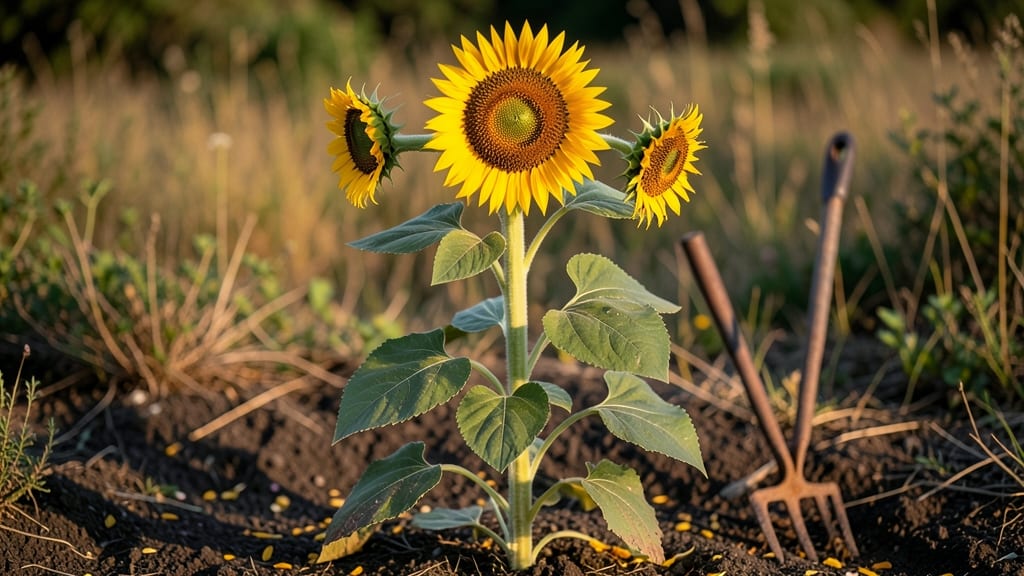
The secret to growing multi-headed sunflowers starts with the right varieties and a little strategic pruning. 🌻 I've grown 'Moulin Rouge' and 'Autumn Beauty' for years, and the difference between a single stem and a bushy, multi-bloom plant comes down to how you handle the early growth.
These varieties naturally produce multiple heads when given the right care.
You'll need full sun (at least 6-8 hours daily), well-draining soil, and 1-2 inches of water per week once established. The key move comes when the main stem reaches 3-4 feet tall: pinch off the top bud.
This shock to the plant triggers side branches, each capable of producing its own flower head. It takes patience, but within 6-8 weeks, you'll see those extra buds forming.
What you end up with is a sunflower that looks like a bouquet in your garden bed—dozens of blooms instead of just one. The flowers stay vibrant longer, attract more pollinators, and even produce more seeds for next year.
Plus, the stems are sturdy enough for cutting, so you get both beauty and harvest from the same plant.
This method works for both backyard gardens and containers, and it's beginner-friendly once you understand the timing. The only real challenge is remembering to prune before the main stem gets too tall—after that, nature takes over. Let's get those extra blooms growing!
📚 In This Guide
- What you need
- Instructions
- Tips and common mistakes
- Wrapping up and next steps
What you need
- ● Sunflower seeds: Choose a variety known for branching, like Moulin Rouge or Russian Giant (10–20 seeds for a small garden, 50+ for larger displays).
- ● Well-draining potting mix or garden soil: Rich in organic matter (e.g., compost or aged manure). Test soil pH (6.0–7.5 ideal).
- ● Containers or garden bed: Containers: 12–18" deep pots (1–2 seeds per 5-gallon container).
- ● Garden bed: Full sun (6+ hours daily), spaced 12–18" apart.
- ● Pruning shears: Sharp, sterilized (for trimming side shoots).
- ● Fertilizer: Balanced 10-10-10 or slow-release granules (apply at planting and mid-growth).
- ● Watering can or hose with nozzle: For gentle, deep watering (1–2" per week).
- ● Growth regulator (e.g., Paclobutrazol) to encourage branching (follow label instructions).
- ● Stakes or cages (for tall varieties to prevent flopping).
- ● Mulch (straw or wood chips) to retain moisture and suppress weeds.
- ● Pest deterrents: Neem oil or insecticidal soap (for aphids/beetles).
How to grow lush multi-headed sunflowers through pruning
Sunflowers don't need magic—just a little strategic trimming to unlock their full branching potential.
🌱 Step 1: Select the Right Variety and Plant Strong Starts
Choose a proven branching variety like 'Moulin Rouge' or 'Russian Giant'—these respond best to pruning. Start with healthy, sturdy plants from reputable nurseries. I always look for seedlings with thick stems and deep green leaves—these handle pruning better than weak specimens.
Plant in full sun (minimum 6-8 hours daily) with well-draining soil. Amend heavy clay with compost or sand to prevent root rot. Water deeply at planting (1-2 gallons per plant) to encourage strong root development before any pruning begins.
✂️ Step 2: Pinch Early for Bushier Growth
When your sunflower reaches 12-18 inches tall (usually 3-4 weeks after transplanting), pinch off the main growing tip just above a set of leaves. This forces the plant to send out lateral branches where flowers will form. I use clean, sharp pruners to make a clean cut—never tear the stem.
Here's the thing—don't wait too long. If you pinch after the plant develops a hard central stem, it may not produce enough side shoots. Watch for 5-7 sets of true leaves before making your first pinch. After pruning, water at the base to reduce stress.
🌿 Step 3: Encourage Secondary Branches with Strategic Cuts
Once your plant develops 3-4 strong side branches, focus on maintaining them. Remove any weak or leggy growth immediately—these branches won't produce quality blooms. I always leave 2-3 buds per side branch to maximize flower production.
When a side branch grows to 6-8 inches and shows 2-3 sets of leaves, pinch it back again to encourage even more branching. This creates a bushier, more productive plant with dozens of potential blooms. Real talk: your first attempt might look messy, but each pruning makes the next round easier.
☀️ Step 4: Maintain Light Exposure and Water Consistently
After pruning, ensure your sunflowers get full sun exposure—branches need light to develop properly. If shadows appear, rotate the plants quarter-turn weekly to prevent leaning. I've seen pruned sunflowers grow twice as many blooms when given optimal light after trimming.
Water deeply 2-3 times per week (more in extreme heat) to encourage strong root systems. Let the top 2 inches of soil dry between waterings—sunflowers hate soggy roots. A mulch ring (2-3 inches of straw or wood chips) helps retain moisture and keeps roots cool.
🌻 Step 5: Harvest and Deadhead for Continuous Blooms
When flowers open, harvest the largest blooms first. Cut stems at a 45-degree angle just above a leaf node to encourage more growth. I always leave 2-3 smaller buds on each branch—they'll open within 7-10 days.
Deadhead spent blooms immediately by cutting the stem back to the next set of leaves. This prevents seed formation and redirects the plant's energy into producing more flowers. With consistent care, a single pruned sunflower can produce 50+ blooms in one season—it's incredible how much a little trimming changes everything.
Tips & tricks for perfect multi-headed sunflowers
Ready to transform your single-stem sunflowers into vibrant, multi-headed beauties? These practical insights will help you maximize blooms without sacrificing plant health.
Variety Matters: While 'Moulin Rouge' and 'Russian Giant' are proven performers, don't overlook 'Autumn Beauty' for its natural branching tendencies. I've found these varieties respond best to pruning because their genetic makeup already encourages lateral growth. If you're starting with standard sunflower seeds, look for those specifically labeled as "branching" or "bush" types—they're bred to handle pruning better.
Pruning Precision: When you reach Step 2 and pinch that main stem at 12-18 inches, aim for a clean cut just above a leaf node where side branches naturally emerge. I use sterilized pruning shears to make precise cuts—never tear the stem, as this creates wounds that attract disease. For the first pinch, focus on the main stem only; resist the urge to trim side branches until they've reached 6-8 inches, as specified in Step 3.
Light Management: The 6-8 hours of daily sunlight requirement in Step 1 is non-negotiable, but here's what nobody tells you—rotate your plants quarter-turn weekly after pruning. This prevents branches from growing toward light sources and creates a more symmetrical, bushier plant. I've seen sunflowers that would have grown lopsided produce twice as many blooms when rotated consistently.
Watering Wisdom: While the instructions recommend deep watering 2-3 times weekly, adjust this based on your climate. In extreme heat (above 90°F), increase to daily watering—especially after pruning when plants are most vulnerable. I always check soil moisture by sticking my finger 2 inches deep; if it's dry, it's time to water. Mulch helps, but don't overdo it—the 2-3 inch ring mentioned in Step 4 should be all you need.
Pro Tips for Multi Headed Sunflower
- Ready to transform your single-stem sunflowers into vibrant, multi-headed beauties?
- Variety Matters: While 'Moulin Rouge' and 'Russian Giant' are proven performers, don't overlook 'Autumn Beauty' for its natural branching tendencies.
- Pruning Precision: When you reach Step 2 and pinch that main stem at 12-18 inches, aim for a clean cut just above a leaf node where side branches naturally emerge.
Frequently asked questions
Got questions about growing multi-headed sunflowers? You’re not alone! Here are answers to the most common ones—plus a few pro tips to keep your sunflowers thriving.
How do I encourage my sunflower to grow multiple heads?
Pinch off the first flower bud when it’s about the size of a pea (usually 4–6 weeks after planting). This redirects energy to side shoots, which will grow into new stems and blooms. For best results, do this in the morning to avoid stressing the plant.
When is the best time to trim a sunflower for more heads?
Trim the main flower head when it’s still in the bud stage (but fully formed) and before it opens. If you wait until it’s already blooming, the plant may have already allocated too much energy to that single head. Early intervention = more side shoots!
What if my sunflower only grows one head despite trimming?
Don’t worry—some varieties are genetically predisposed to single stems. If this happens, check for nutrient deficiencies (like nitrogen or phosphorus) or overcrowding. Space plants 12–18 inches apart, and fertilize lightly with a balanced 10-10-10 mix to boost growth.
Can I grow multi-headed sunflowers from seeds, or do I need a special variety?
Most open-pollinated sunflower varieties (like ‘Moulin Rouge’ or ‘Russian Giant’) can produce multiple heads with proper trimming. Avoid hybrid seeds (e.g., ‘Autumn Beauty’), as they’re bred for single stems. Start with heirloom seeds for the best results!
Will trimming attract pests like aphids or beetles?
Trimming itself won’t attract pests, but stressed plants (from poor trimming or disease) can. To prevent issues, sterilize pruners with rubbing alcohol, remove fallen debris, and monitor for sunflower moths or leaf beetles. A light spray of neem oil can deter unwanted visitors.
Pro Tip: Save the first bloom!
If your sunflower’s main head is already open, let it bloom and seed—then trim the side shoots. The plant will still produce extra heads, and you’ll get seeds for next year’s garden. Win-win!
Wrapping up and next steps
Growing a multi-headed sunflower is all about patience, precision, and a little extra love for your plants! 🌻 By mastering strategic trimming—like pinching young shoots and removing side buds—you can encourage those vibrant, abundant blooms that turn heads (literally).
Remember, consistency is key, and even the smallest adjustments can make a big difference in your garden’s beauty.
Ready to bloom with confidence? Grab your shears, head outdoors, and start experimenting with your sunflowers today—your future floral masterpiece is just a trim away! 🌱