
Flowers
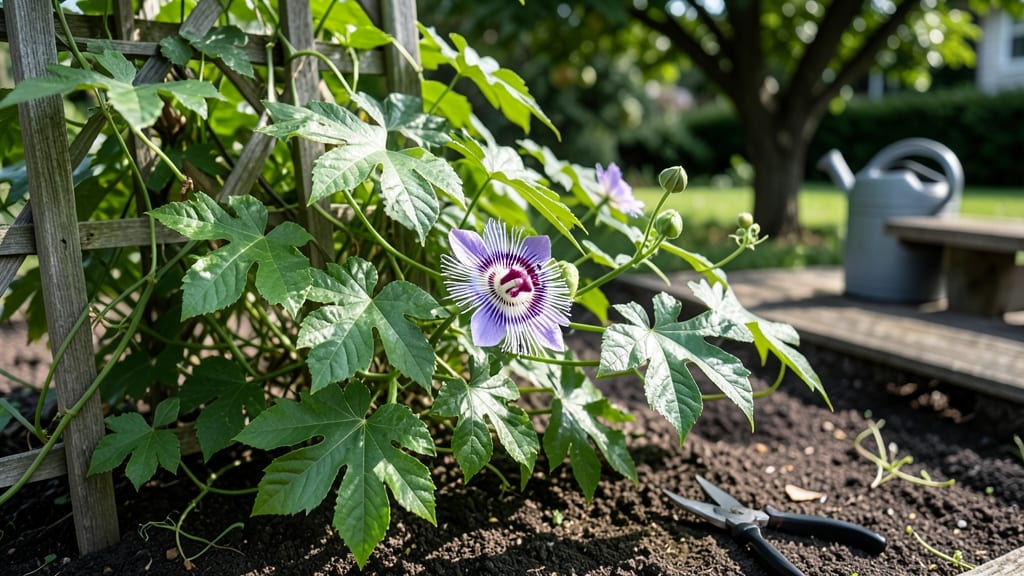
Growing passion vine flowers from seed transforms your porch or trellis into a tropical paradise with exotic, velvety blooms that hummingbirds adore. 🌺 I’ve watched these vines climb from tiny seedlings into dramatic displays of blue, purple, and white flowers—all from a single packet of seeds.
The key is patience and the right conditions, because passion vines don’t rush, but they repay your effort with months of showstopping color.
You’ll need a sunny spot with at least 6 hours of direct light daily, well-draining soil, and something sturdy to climb—think trellises, fences, or even a sturdy arbor. Varieties like Passiflora caerulea (blue passionflower) thrive in zones 5-11, while Passiflora edulis (passionfruit) needs warmer climates.
Start seeds indoors 8-10 weeks before last frost, and expect vines to flower in their first year if given consistent care.
Once established, passion vines are low-maintenance but love regular watering—deep soaks once a week—and occasional pruning to keep them in check. Deadhead spent blooms to encourage more flowers, and watch as your vine becomes a magnet for pollinators.
The biggest challenge? Controlling their aggressive growth, but that’s part of the fun—turning your space into a living jungle of color.
Perfect for gardeners who love drama without high upkeep, passion vines deliver vibrant blooms from early summer to frost with minimal fuss. Whether you’re growing for beauty, fruit, or just the thrill of watching them climb, this guide will help you turn seeds into a showstopper.
Let’s get those vines growing!
📚 In This Guide
- What you need
- Instructions
- Tips and common mistakes
- Wrapping up and next steps
What you need
- ● Passion vine seeds: 5–10 seeds (organic, non-GMO preferred for best results).
- ● Seed-starting mix: 1–2 cups of well-draining, sterile potting soil (or coconut coir for eco-friendly options).
- ● Seed trays or small pots: 2–4 biodegradable or reusable pots (3–4 inches in diameter).
- ● Grow lights or sunny windowsill: 6+ hours of indirect light daily (or a full-spectrum LED grow light for indoor starts).
- ● Misting spray bottle: For gentle watering (avoid soaking the soil).
- ● Plastic wrap or humidity dome: To retain moisture while seeds germinate.
- ○ Fertilizer (optional but helpful): Balanced liquid fertilizer (e.g., 10-10-10) or
- ● Compost tea (for organic gardening).
- ● Trowel or small shovel: For transplanting seedlings.
- ● Pruning shears: To trim vines as they grow (sterilize with rubbing alcohol).
- ● Trellis or sturdy support: A 6–8 ft tall structure (e.g., arbor, fence, or DIY wooden frame).
- ○ Gloves (optional): Passion vines can have mild irritants—wear them if you’re sensitive.
- ● Patience! 😉 Passion vines grow fast but take 6–12 months to bloom.
- ● Slow-release fertilizer pellets for nutrient boosts.
- ● Epsom salt (magnesium sulfate) to enhance flower production.
- ● Decorative pebbles or mulch to retain soil moisture.
- ● A journal to track growth stages and blooming progress!
Step-by-Step instructions for cultivating passion vine flowers
Here's my foolproof method for growing these exotic climbers from seed to showstopping blooms.
🌱 Step 1: Start Seeds Indoors for Maximum Germination
Passion vine seeds need warmth to germinate, so I begin indoors 8-10 weeks before the last frost. Fill small pots with sterile seed-starting mix and plant 2-3 seeds per pot just below the surface—about ¼ inch deep. The reason? Seeds need darkness to germinate, and covering them prevents light from interfering.
Keep the soil consistently moist by misting lightly daily, but never soggy. I place the pots in a 75-85°F environment—either on a seedling heat mat or in a warm kitchen corner. Germination typically takes 14-28 days, but patience is key. You'll know it's working when you see tiny green sprouts breaking through the soil.
🌿 Step 2: Transplant Seedlings When True Leaves Appear
Once seedlings develop their first true leaves (not the initial cotyledons), it's time to transplant. I carefully separate them, ensuring each has its own container with well-draining potting mix. Passion vines hate root disturbance, so I use a small pot—4-6 inches wide—to minimize stress during the move.
Place the pots in a bright, indirect light spot. Avoid direct sun at this stage—young plants can scorch easily. Water when the top inch of soil feels dry, but never let them sit in standing water. You'll notice healthy growth when new leaves emerge every 2-3 weeks.
☀️ Step 3: Acclimate and Plant Outdoors After Frost
After the last frost, I harden off the seedlings by placing them outside for 1-2 hours the first day, gradually increasing exposure over 10-14 days. This prepares them for the garden's harsher conditions. Choose a sunny spot with a trellis or fence—passion vines are vigorous climbers and need support.
Plant in well-draining soil mixed with compost for nutrients. Dig a hole twice as wide as the root ball but no deeper. Water deeply after planting to settle the soil. You'll know they're thriving when vines begin rapidly climbing and producing new leaves.
✂️ Step 4: Prune and Fertilize for Continuous Blooms
Passion vines bloom best with regular pruning. I trim back leggy growth in early spring to encourage bushier, more productive vines. Remove dead or yellowing leaves immediately—they drain energy from the plant. Fertilize lightly with a balanced, water-soluble fertilizer every 4-6 weeks during the growing season.
Water deeply once a week, but reduce frequency in fall as growth slows. You'll see the payoff when exotic, vibrant flowers appear in late summer to fall. Deadhead spent blooms to redirect energy into new growth, ensuring a longer display of color.
Tips & tricks for cultivating passion vine flowers
Turning seeds into showstopping passion vine blooms takes more than just patience—it’s about creating the perfect conditions at each stage. Here’s how to maximize your success without common pitfalls.
Germination Environment: That 75-85°F range is critical for breaking seed dormancy, but consistency matters more than exact degrees. I’ve found using a seedling heat mat set to 80°F works best—it maintains steady warmth without risking overheating. Place a humidity dome or plastic wrap over the pots to trap moisture, but remove it daily for 10 minutes to prevent mold.
Transplanting Technique: When separating seedlings in Step 2, handle them by their leaves rather than stems to avoid damage. The 4-6 inch pots are perfect for this stage, but if you’re using larger containers, add a layer of gravel at the bottom for drainage. After transplanting, give the soil a gentle squeeze—if it crumbles easily, it’s ready for watering.
Hardening Off Strategy: The gradual 10-14 day acclimation in Step 3 is non-negotiable, but here’s the pro move: place seedlings in a sheltered spot where they’ll receive morning sun and afternoon shade. This mimics natural light transitions and prevents shock. Watch for leaves that look slightly wilted but perk up when watered—this is normal and means they’re adjusting well.
Bloom Extension Secret: For continuous flowers, deadhead spent blooms consistently, but don’t overdo it in late summer. The plant needs time to recover before winter. I’ve had best results by fertilizing with a half-strength solution every 6 weeks instead of the full dose—it prevents overgrowth that can reduce flowering.
Pro Tips for Passion Vine Flower
- Turning seeds into showstopping passion vine blooms takes more than just patience—it’s about creating the perfect conditions at each stage.
- Germination Environment: That 75-85°F range is critical for breaking seed dormancy, but consistency matters more than exact degrees.
- Transplanting Technique: When separating seedlings in Step 2, handle them by their leaves rather than stems to avoid damage.
Frequently asked questions
Got questions about growing passion vine flowers? You’re not alone! Here are some of the most common queries—and their answers—to help you nurture these stunning climbers with confidence.
How long does it take for passion vine flowers to bloom after planting?
Patience is key! If you’re growing from seed, expect the first blooms in 12–18 months, as passion vines mature slowly. For faster results, opt for established plants—some varieties (like Passiflora caerulea) may flower within 6–12 months under ideal conditions. Pro tip: Provide full sun, well-draining soil, and consistent moisture to speed up the process!
Can passion vine flowers grow in containers? What size pot do I need?
Passion vines thrive in containers, making them perfect for patios or balconies. Choose a pot at least 12–15 inches deep with drainage holes—these vines have long, sprawling roots. For dwarf varieties (like Passiflora ‘Blue Moon’), a 10-gallon pot works well. Remember: Prune regularly to control growth and fertilize monthly during spring/summer!
Are passion vine flowers frost-tolerant? How do I protect them in cold climates?
Most passion vines are tender perennials and die back in frost (below 20°F/-7°C). In cold zones, grow them as annuals or overwinter indoors. For outdoor plants, mulch heavily and cover with frost cloth. Hardier varieties like Passiflora incarnata (maypop) tolerate light frost but still need protection in harsh winters.
Why aren’t my passion vine flowers opening? Troubleshooting tips!
If your blooms stay closed or wilt quickly, check these common culprits:
- Lack of sunlight: Passion vines need 6+ hours of direct sun daily. Move to a sunnier spot!
- Overwatering: Soggy soil causes root rot. Let the top 1–2 inches dry out between waterings.
- Nutrient deficiency: Yellow leaves? Feed with a balanced fertilizer (10-10-10) every 4–6 weeks.
- Pests: Spider mites or aphids can stress plants. Spray with neem oil if you spot them.
What are some low-maintenance passion vine alternatives for beginners?
If passion vines feel too finicky, try these easy-care climbers with similar drama:
- Clematis: Thrives in partial shade, blooms prolifically, and comes in endless colors.
- Honeysuckle: Fragrant, fast-growing, and attracts pollinators—perfect for trellises.
- Star jasmine (Trachelospermum): Evergreen, drought-tolerant, and fills the air with sweet scent.
- Morning glories: Annuals with rapid growth and vibrant trumpet-shaped flowers.
Wrapping up and next steps
Growing passion vine flowers is a rewarding journey that brings vibrant colors and exotic beauty to your garden. From selecting the right seeds to nurturing them with patience, every step unlocks the potential for stunning, fragrant blooms that will turn heads.
Whether you’re a seasoned gardener or a curious beginner, the key is consistency—sunlight, water, and a little love go a long way!
Ready to transform your space? Start small—plant a few seeds or a single vine—and watch your garden flourish. Before you know it, you’ll be sharing your passion vine masterpiece with neighbors (or Instagram followers!). Happy gardening! 🌿✨