
Flowers
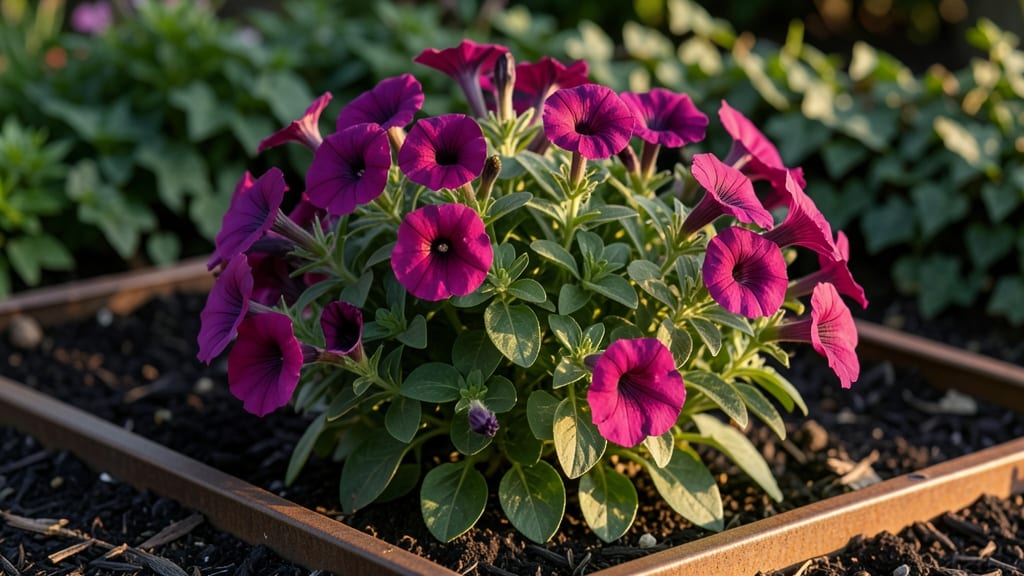
These pictures of petunias in flower beds prove how they turn ordinary spaces into vibrant canvases that bloom from spring to frost—just look at my cascading waves of purple, pink, and white that never look tired. 🌸 I’ve designed beds where their colors create magic my neighbors now ask for my "secret" every summer.
The magic starts with placement: petunias thrive in full sun and well-draining soil, but their real charm comes from pairing them with complementary plants. Try pairing them with salvias for height contrast or dusty miller for silvery texture—both extend the blooming season and reduce maintenance.
My go-to combo? Petunias spilling over edges with coreopsis at the center for a sunburst effect.
You’ll end up with flower beds that look professionally landscaped, but with half the work. The key is deadheading spent blooms weekly and feeding them monthly with balanced fertilizer—simple steps that keep them flowering like they’re on a never-ending parade. Even in heat waves, these beds stay lush and inviting.
Works for small city gardens or sprawling backyard borders—just adjust spacing and plant counts to fit your space. Let’s make your flower beds the talk of the neighborhood with petunias that refuse to quit.
📚 In This Guide
- What you need
- Instructions
- Tips and common mistakes
- Wrapping up and next steps
What you need
- ● Petunia plants: 12–24 plants per 4’ x 4’ bed (mix varieties for cascading and bush types). Opt for disease-resistant hybrids like Supertunia or Wave series.
- ● Well-draining potting soil: 2–3 cubic yards (mix with perlite or compost for aeration). Avoid heavy clay soil.
- ● Slow-release fertilizer: 10–20 lbs (10-10-10 or 14-14-14 NPK ratio) blended into soil at planting.
- ● Mulch: 2–3 inches of shredded bark or pine straw to retain moisture and suppress weeds.
- ● Watering can or hose with a gentle spray nozzle: For deep but gentle hydration (1–2 gallons per plant, 2–3x/week).
- ● Garden gloves and knee pads: For comfort during planting and maintenance.
- ● Garden trowel or transplant spade: For digging holes (6” deep, 12” apart for spacing).
- ● Pruning shears: To trim dead blooms and shape plants (sterilize with rubbing alcohol).
- ○ Stakes or cages (optional but helpful): 6–12” tall for trailing varieties like Petunia ‘Tidal Wave’.
- ● Sunlight exposure: 6+ hours of full sun daily (partial shade in hot climates).
- ○ Drip irrigation system (optional): Automates watering and reduces fungal risks.
How to create a stunning petunia flower bed with year-round color
Here's my go-to approach for designing a petunia display that blooms nonstop and wows neighbors.
🪴 Step 1: Choose the Right Location and Soil Prep
Petunias crave 6+ hours of direct sun daily, so pick a spot that gets morning sun at minimum. I always test the area by observing how quickly nearby plants dry out—if grass or weeds recover fast, it's too shady for petunias. Clear all existing vegetation and loosen the soil to 6 inches deep with a garden fork.
Amend the soil with 2-3 inches of compost mixed into the top layer. Petunias hate soggy roots, so if your soil drains poorly, add 1 inch of coarse sand or perlite to improve aeration. A simple soil test kit helps determine if you need extra phosphorus for blooming—petunias are heavy feeders and show it when flowers fade quickly.
🌱 Step 2: Plant Petunias for Maximum Impact
Space plants 12-18 inches apart for trailing varieties like 'Wave' or 'Supertunia' to create that lush, cascading look. I plant them slightly deeper than their nursery pots—just until the top of the root ball is level with the soil—to encourage strong root growth. Press the soil firmly around each plant to eliminate air pockets.
For a layered effect, plant taller varieties (like 'Grandiflora' petunias) at the back and trailing types in front. Water immediately after planting to settle the roots, then let the soil dry slightly before watering again. Here's the thing—petunias wilt dramatically when thirsty, but they bounce back fast once watered. Don't panic at that first droop!
☀️ Step 3: Maintain Blooms Through the Season
Feed petunias every 2-3 weeks with a balanced liquid fertilizer (10-10-10 or 20-20-20) mixed at half-strength. I always fertilize right after watering to prevent root burn. Deadhead spent blooms by pinching off the flower stem just above the next set of leaves—this redirects energy to new flowers instead of seed production.
Water at the base of plants in the morning to reduce fungal diseases. Petunias in containers dry out faster, so check soil moisture daily during heatwaves. You'll know they need water when the top inch of soil feels dry. Mulch with 1-2 inches of shredded bark to retain moisture and keep roots cool—just keep it 2 inches away from stems to prevent rot.
✂️ Step 4: Prune and Revitalize for Long-Lasting Color
When petunias look leggy or overgrown by mid-season, give them a light trim. Cut back stems by one-third to encourage bushier growth. I always use clean, sharp scissors to avoid crushing stems. This is the moment that matters—after pruning, new growth emerges within 7-10 days, and you'll see fresh blooms in about 3 weeks.
For trailing varieties, gently weave stems through nearby plants or into hanging pockets to create that dramatic spillover effect. If flowers slow down in late summer, switch to a low-nitrogen, high-phosphorus fertilizer (like 5-10-10) to boost blooming. Real talk: petunias slow down in heat or drought, but they'll bounce back with proper care.
Tips & tricks for stunning petunia flower beds
Here's what I've learned from years of growing petunias that keep blooming like crazy all season.
Sunlight Secret: While petunias need 6+ hours of sun, morning sun is actually more important than afternoon heat. I've seen petunias in full sun locations wither in summer afternoons, but they thrive when protected from the harshest afternoon rays. Consider a light shade cloth during peak summer heat if you're in a very hot climate.
Soil Prep Game-Changer: That 6-inch deep soil loosening in Step 1 isn't just about roots—it's about creating air pockets that prevent waterlogging. I've had petunias rot when planted in compacted soil, even with drainage. After loosening, I press down firmly to eliminate air pockets around the roots when planting. This double action ensures both drainage AND root contact.
Layering Trick: The 12-18 inch spacing for trailing varieties might seem generous, but it's what creates that lush, cascading look. I've found that planting them slightly closer (10-12 inches) makes them compete for nutrients, resulting in smaller flowers. Give them room to grow—you'll get bigger, more abundant blooms. This also makes deadheading easier when you can reach into the center.
Fertilizer Timing: Those 2-3 week feeding intervals are perfect, but the timing matters just as much. Always fertilize in the morning after watering—this prevents root burn from fertilizer salts. I've ruined petunias by fertilizing in the evening when the plants are already stressed from heat. Morning feeding gives them energy for the day ahead.
Pro Tips for Pictures Of Petunias In Flower Beds
- Here's what I've learned from years of growing petunias that keep blooming like crazy all season.
- Sunlight Secret: While petunias need 6+ hours of sun, morning sun is actually more important than afternoon heat.
- Soil Prep Game-Changer: That 6-inch deep soil loosening in Step 1 isn't just about roots—it's about creating air pockets that prevent waterlogging.
Frequently asked questions
When is the best time to plant petunias in flower beds?
Petunias thrive when planted after the last frost in spring (typically late April to early June, depending on your zone). For a longer bloom season, you can also plant them in late summer (August) for fall color. Just ensure the soil is warm—petunias hate cold roots!
Why aren’t my petunias blooming as much as the pictures show?
Petunias need full sun (6+ hours/day) and regular deadheading (snipping spent blooms) to encourage more flowers. Over-fertilizing with high-nitrogen feed can also reduce blooms—opt for a balanced 10-10-10 or bloom-specific fertilizer instead. Bonus tip: Prune leggy stems to promote bushier growth!
Can I mix petunias with other flowers in a flower bed?
Petunias pair beautifully with salvias, marigolds, or trailing lobelias for texture and color contrast. Avoid planting them near aggressive spreaders like mint or creeping Charlie, which can crowd them out. For height, tuck them behind tall perennials like daylilies or snapdragons.
How often should I water petunias in a flower bed?
Petunias need consistent moisture—water them deeply 2–3 times per week during dry spells (more in extreme heat). Mulch around the base (2–3 inches of shredded bark or straw) to retain moisture and prevent soil crusting. Pro tip: Water at the base, not the leaves, to avoid fungal issues like powdery mildew.
What do I do if petunias get pests like aphids or spider mites?
Start with a gentle spray of water to dislodge pests, then treat with neem oil or insecticidal soap (follow label instructions). For severe infestations, remove heavily affected leaves and repeat treatments every 5–7 days. Prevent future problems by spacing plants for airflow and avoiding overwatering.
Will petunias survive winter in my flower bed?
Petunias are annuals and won’t return after frost. However, you can save seeds from healthy blooms (let a few flowers fade naturally) or take cuttings in early fall to propagate indoors. For next year’s bed, plan to replant in spring—petunias always put on a show-worthy performance!
Wrapping up and next steps
Transforming your flower beds with petunias is a rewarding way to add vibrant color and life to your outdoor space! Whether you love their cascading blooms or their ability to thrive in various climates, petunias are a gardener’s dream. 🌸
Now that you’re inspired, why not take the next step? Start small—plant a few petunias in a pot or a corner of your garden, and watch your space bloom with joy.
Share your progress with fellow gardening enthusiasts or even tag us in your photos for a chance to be featured! Happy gardening!