
Flowers
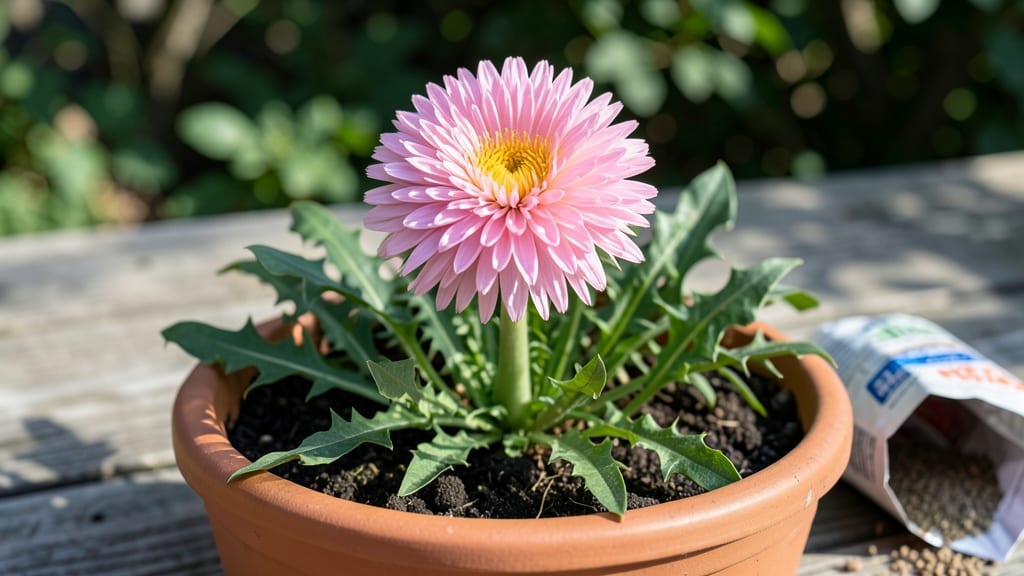
Pink dandelion flowers turn your garden into a dreamy, unexpected showstopper. 🌸 Unlike their bright yellow cousins, these rare blooms add soft romance to cottage gardens and wildflower meadows while drawing in bees and butterflies.
I planted mine last spring after hunting for seeds online—they’ve since become my garden’s secret star.
These dramatic flowers thrive in full sun and poor soil, making them perfect for low-maintenance designs. Pair them with lavender for height contrast or mix with coreopsis for a cottage-garden vibe.
They’ll bloom from early spring until frost, offering months of effortless color. The fluffy seed heads add texture too, perfect for dried arrangements.
You’ll love how they transform any space—whether a formal border or a wild meadow. Their 6-12 inch height makes them ideal for filling gaps in pollinator gardens. Just avoid mowing them down before they seed! With minimal care, they’ll reward you with vibrant pink clouds that no other plant delivers.
For best results, sow seeds in fall or early spring and let them naturalize. If you can’t find pink varieties, try double-flowered yellow dandelions—they’re just as striking. Either way, your garden will buzz with life (and color) all season long.
📚 In This Guide
- What you need
- Instructions
- Tips and common mistakes
- Wrapping up and next steps
What you need
- ● Pink dandelion seeds (ensure they’re labeled as Taraxacum officinale or a pink-flowering variety—seed packets typically contain 100+ seeds).
- ● Well-draining soil (mix garden soil with compost for optimal growth; aim for a pH of 6.0–7.0).
- ● Sunlight access (full sun to partial shade—6+ hours of sunlight daily is ideal).
- ● Watering can or hose (with a fine mist nozzle for gentle watering).
- ● Garden gloves (to protect hands while handling soil or seeds).
- ● Seed-starting trays (if propagating indoors first—biodegradable pots work great!).
- ● Organic fertilizer (low-nitrogen, like a 5-5-5 blend, to encourage flowering).
- ● Mulch (straw or shredded leaves to retain moisture and suppress weeds).
- ● Pollinator-friendly companions (e.g., lavender, marigolds, or clover to attract bees and butterflies).
- ● Pruning shears (for trimming spent blooms and encouraging new growth).
How to grow stunning pink dandelion flowers for pollinators
Here's how to coax these bold blooms from humble seeds—simple steps for vibrant, wildlife-friendly gardens.
🌱 Step 1: Choose the Perfect Planting Time and Spot
Pink dandelions thrive in full sun to partial shade, but they need at least 4-6 hours of direct sunlight daily for those dramatic pink blooms. I plant mine in late summer to early fall—this gives roots time to establish before winter, so they burst into color early next spring. Avoid heavy clay soil; they prefer well-draining areas where water doesn't pool.
Real talk: These flowers are tough, but they won't tolerate soggy soil. If your yard has poor drainage, amend the area with 2-3 inches of compost before planting. You'll see the difference when those first pink buds appear—strong stems and vibrant color mean happy plants.
🌱 Step 2: Sow Seeds Directly in the Garden
Scatter seeds lightly on the soil surface—don't bury them. Pink dandelions need light to germinate, so press them just enough to make contact with the earth. I like to space them about 6-12 inches apart, but they'll self-seed happily if you let them go wild. Water gently with a spray bottle or fine mist to keep the soil moist but not soaked.
Here's the thing—dandelion seeds germinate best at 60-70°F. If your spring starts cooler, cover the area with a thin layer of straw mulch to retain warmth. Watch for the first tiny leaves to appear in 7-14 days. Once they're about 2 inches tall, you can thin them to your desired spacing—just snip the extras at the base with scissors.
☀️ Step 3: Provide Consistent Care for Dramatic Blooms
Water your pink dandelions once a week during dry spells, but don't overdo it. These plants are drought-tolerant once established, but young seedlings need steady moisture. You'll know they're happy when the leaves stay crisp and upright—wilting means it's time to water.
I never fertilize mine—they thrive in poor soil. In fact, too much fertilizer can make the blooms smaller and less vibrant. Instead, let them self-seed naturally. By next year, you'll have clusters of pink flowers popping up everywhere, creating a stunning pollinator magnet.
✂️ Step 4: Enjoy the Show and Support Pollinators
The real magic happens when those 3-4 inch tall pink blooms open wide. Leave some flowers intact to attract bees, butterflies, and beneficial insects. You'll notice more activity in your garden as these pollinators flock to the bright colors. If you want to control spreading, deadhead spent blooms by cutting them back to the base—this encourages more flowers and prevents seed heads from forming.
This is the moment that matters: Watching bees land on those delicate pink petals. It's a simple act of gardening that makes a huge difference for local ecosystems. And the best part? These flowers keep blooming longer than most garden varieties, giving pollinators a late-season feast.
Tips & tricks for perfect pink dandelion flowers
Here's what nobody tells you about growing these showstopping pink blooms that'll transform your garden into a pollinator paradise.
Sunlight Secret: Those 4-6 hours of daily sunlight aren't just about color—they're about survival. I've seen pink dandelions struggle in shady spots, producing pale blooms that attract far fewer pollinators. Place them where they'll get morning sun and afternoon light for the most vibrant pink hue and sturdiest stems. The first buds that appear in spring will tell you if you've got it right—bright pink means you're golden!
Germination Game-Changer: The 60-70°F sweet spot for germination is why late summer planting works so well—it gives seeds time to establish before winter chill. But if you're planting in cooler springs, my secret weapon is a clear plastic dome (like a mini greenhouse) over the seeded area. It traps warmth and can cut germination time from 14 days to just 7-10 days. Just remember to remove it once sprouts appear to prevent overheating.
Thinning Technique: When those seedlings reach 2 inches tall, resist the urge to pull them by hand—it often leaves roots behind that will sprout again. Instead, use sharp scissors to snip at the base. This clean cut prevents regrowth and gives you perfectly spaced plants. I like to thin in stages: first to 6 inches apart, then to 12 inches once they're more established. The extra thinning means stronger stems for those dramatic 3-4 inch blooms.
Pollinator Power Move: The moment those pink blooms open wide is when your garden becomes a pollinator hotspot. Here's the pro tip: Plant a few extra flowers beyond what you need for aesthetics. When the blooms start fading, leave some seed heads intact—birds will love the seeds, and the empty stems provide winter shelter for beneficial insects. It's a win-win for your garden ecosystem that most gardeners overlook.
Pro Tips for Pink Dandelion Flower
- Here's what nobody tells you about growing these showstopping pink blooms that'll transform your garden into a pollinator paradise.
- Sunlight Secret: Those 4-6 hours of daily sunlight aren't just about color—they're about survival.
- Germination Game-Changer: The 60-70°F sweet spot for germination is why late summer planting works so well—it gives seeds time to establish before winter chill.
Frequently asked questions
Got questions about pink dandelions?
You’re not alone! These striking flowers spark curiosity—from care tips to pollinator perks. Here are answers to the most common queries to help you grow (or admire) them like a pro.
What makes pink dandelions different from regular yellow ones?
Pink dandelions are a cultivar (like ‘Pink Beauty’ or ‘White Swan’), bred for their soft pink or blush blooms. Unlike wild yellow dandelions, they’re non-invasive, sterile hybrids that won’t spread aggressively. Their petals may also fade to white or blush over time—adding charm to gardens!
How long do pink dandelion flowers last?
Individual blooms last 1–3 days before closing into seed heads. However, each plant produces multiple flowers over 4–6 weeks (spring to early summer). For continuous color, plant in clusters or mix with longer-blooming perennials like coreopsis.
Are pink dandelions as good for pollinators as yellow ones?
Pink dandelions attract bees, butterflies, and beneficial insects just like yellow varieties. Their nectar is rich, and their early blooms provide critical food when few other flowers are available. Pro tip: Avoid pesticides—they’re toxic to pollinators!
Can I grow pink dandelions from seed heads?
No—pink dandelions are sterile hybrids and won’t reproduce from seed. To propagate, buy fresh seeds from nurseries or divide mature clumps in spring. For wild yellow dandelions, you can collect seeds, but they’ll revert to yellow blooms.
Why are my pink dandelions turning yellow or brown?
Common causes include:
- Overwatering: Leads to root rot (keep soil moist but well-drained).
- Sunburn: Too much afternoon sun in hot climates (plant in partial shade).
- Pests: Aphids or slugs (use neem oil or beer traps).
- Age: Older blooms naturally fade—trim spent flowers to encourage new growth.
Troubleshoot: Check leaves for spots or wilting to diagnose issues early!
Wrapping up and next steps
The pink dandelion flower isn’t just a stunning pollinator magnet—it’s a resilient, easy-to-grow plant that brings joy to gardens and ecosystems alike. Whether you’re drawn to its dramatic height or its role in supporting bees and butterflies, these flowers prove that beauty and purpose go hand in hand. 🌸
Ready to invite more color and life into your space? Grab your seeds, pick a sunny spot, and let nature do the rest. Start small—plant one, then watch it grow!