
Flowers
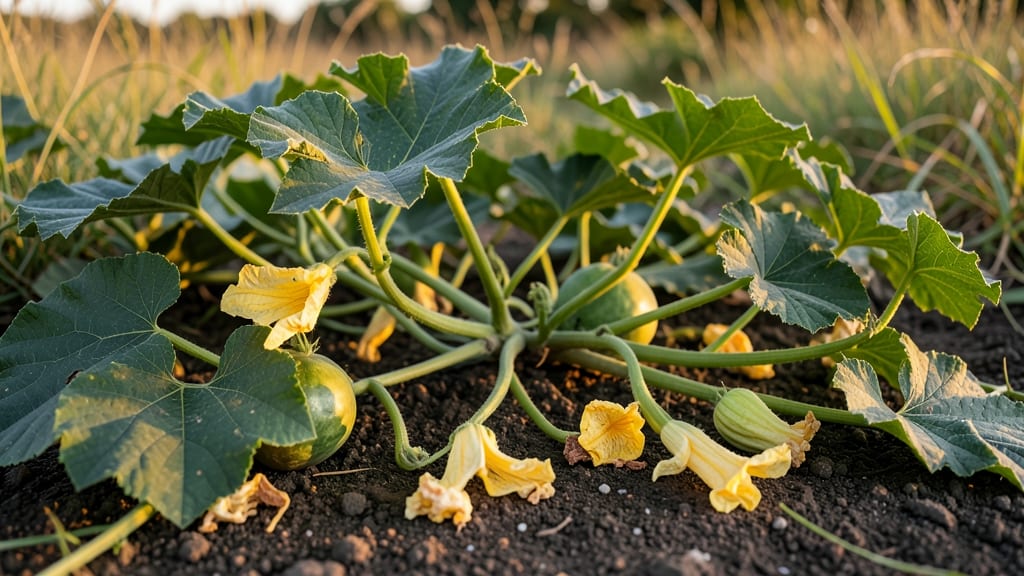
When pumpkin flowers keep falling off before setting fruit, it’s not a lost cause—it’s a fixable puzzle. 🌱 I’ve wrestled with this exact problem after a summer where my vines bloomed but never produced more than a handful of pumpkins.
The good news? Most causes—poor pollination, pests, or stress—have straightforward solutions that work even for beginners.
First, let’s rule out the most common culprits: weak vines, hungry soil, or pests like squash bugs. I learned the hard way that overcrowded plants waste energy on leaves instead of fruit, while a lack of phosphorus (the "fruit-setter" nutrient) leaves flowers drooping.
Even heatwaves over 90°F can cause flowers to abort. The fix starts with simple adjustments—like spacing vines 3-4 feet apart and side-dressing with bone meal at blooming time.
Hand-pollination is your secret weapon when bees aren’t cooperating. Grab a paintbrush, dab each flower’s center, and transfer pollen to another bloom’s stigma—it’s faster than it sounds, and I’ve gone from 5 pumpkins to 20 using this trick.
Combine that with neem oil sprays for pests and consistent watering (1-2 inches per week), and your vines will start setting fruit like clockwork.
Next season’s harvest depends on diagnosing why your flowers quit now. Start with the soil test, then move to vines: healthy leaves mean strong roots, and strong roots mean fruit.
The payoff? A garden so productive, your neighbors will ask for cuttings. Let’s turn those empty vines into a pumpkin patch.
📚 In This Guide
- What you need
- Instructions
- Tips and common mistakes
- Wrapping up and next steps
What you need
- ● Healthy pumpkin vines (or seeds for replanting) – Choose disease-resistant varieties like Cinderella or Jack-Be-Little for better resilience.
- ● Well-draining potting mix (10–15 gallons) – Look for a blend with 50% compost and 30% perlite/sand to prevent root rot.
- ● Organic fertilizer (balanced 10-10-10 or compost tea) – 1 cup per plant during flowering (May–July).
- ● Hand pruners (sterilized) – Opt for bypass pruners to avoid crushing stems.
- ● Watering can with a rose nozzle – 1–2 gallons per plant, 2–3 times weekly (deep watering!).
- ● Mulch (straw or shredded leaves) – 2–3 inches thick to retain moisture and deter pests.
- ● Epsom salt (1 tbsp/month) – Boosts magnesium for vibrant blooms.
- ● Neem oil spray – 1 tsp per quart of water to prevent powdery mildew.
- ● Cage or trellis – Supports vines and improves air circulation.
- ● Grow lights (LED, full spectrum) – Extend sunlight to 12+ hours/day if indoors.
- ● pH test kit – Ideal soil pH: 6.0–6.8 for pumpkins.
How to keep pumpkin flowers blooming strong
Here’s the method I’ve used to turn weak blooms into a pumpkin patch full of life.
🌱 Step 1: Diagnose the Problem First
Pumpkin flowers often drop because of one of three issues: too much heat, poor pollination, or nutrient stress. Check your plants for these signs first. If your vines look healthy but flowers keep falling, the issue is usually heat or lack of pollinators. If leaves yellow or stems weaken, it’s likely a nutrient or watering problem.
I always start by examining the vines. Healthy vines have deep green leaves and sturdy stems. Weak stems or curled leaves signal stress. If your area has been over 90°F for days, that’s your culprit—pumpkin flowers wilt and drop in extreme heat. If your garden sits in a low-traffic area, bees might not be visiting enough.
☀️ Step 2: Adjust Light and Heat Conditions
Pumpkin vines need full sun (6-8 hours daily) but can’t handle afternoon heat spikes over 90°F. If your garden gets scorched, provide afternoon shade with a lightweight row cover or shade cloth (30-50%). I’ve seen flowers survive better when protected from the hottest hours—just remove the cover by late afternoon to let them recharge.
Water deeply once a week (1-2 inches) to keep soil consistently moist but not soggy. Mulch with 2-3 inches of straw to retain moisture and cool roots. Avoid wetting leaves during watering—this encourages fungal diseases that stress plants further.
💧 Step 3: Boost Pollination Naturally
If flowers drop before setting fruit, hand-pollination is key. Use a soft paintbrush to transfer pollen from male (long-stemmed) to female (tiny pumpkin at base) flowers in the early morning. I do this every 2-3 days during peak bloom—it’s tedious but guarantees fruit set.
For long-term fixes, plant bee-friendly flowers like marigolds or sunflowers nearby. Avoid pesticides, even organic ones, as they repel pollinators. A single visit from a bee increases fruit set by 30-50%—worth the effort!
✂️ Step 4: Prune and Fertilize for Strength
Overgrown vines waste energy on leaves instead of flowers. Prune excess side shoots (leave 3-4 main vines) to redirect energy to blooms. I cut back leggy growth in early summer—just above a leaf node—to encourage bushier, flower-heavy growth.
Feed vines with a balanced fertilizer (10-10-10) at planting, then switch to a low-nitrogen, high-phosphorus (5-10-10) mix when flowers appear. Too much nitrogen = lush leaves, fewer blooms. I also side-dress with compost mid-season for steady nutrients.
🌿 Step 5: Prevent Future Stress
Start seeds indoors 4-6 weeks before last frost for stronger, heat-tolerant plants. Harden off seedlings gradually to avoid transplant shock. I’ve found that larger, established vines handle heat and drought better than young plants.
Rotate crops yearly—pumpkins deplete soil nutrients fast. Add aged compost before planting to replenish minerals. If your soil drains poorly, amend with sand or perlite to prevent root rot, which weakens vines and causes flowers to drop.
Tips & tricks for keeping pumpkin flowers blooming strong
Real talk: I’ve lost entire harvests to wilting flowers, so here’s what actually works to keep them thriving.
Heat Management Secret: The 90°F threshold isn’t just a number—it’s your warning sign. When temps climb above this, flowers start dropping within hours. I’ve found that providing afternoon shade with a lightweight row cover (like the kind for lettuce) can make all the difference. Just remember to remove it by late afternoon so the vines get their full 6-8 hours of sunlight. The key is balance: too much shade weakens plants, but no shade means lost blooms.
Pollination Hack: Hand-pollination every 2-3 days during peak bloom isn’t just a backup—it’s insurance. I use an old makeup brush because it’s soft enough not to damage delicate petals. Pro move: Do this in the morning when flowers are fully open and pollen is most active. If you’re short on time, focus on female flowers (they have tiny pumpkins at their base) first—they’re the ones that actually produce fruit.
Fertilizer Timing: That switch from 10-10-10 to 5-10-10 when flowers appear isn’t arbitrary. Too much nitrogen (the first number) pushes leaf growth at the expense of blooms. I’ve seen vines with lush foliage but no flowers after over-fertilizing. The 5-10-10 mix gives just enough nitrogen while prioritizing phosphorus (the middle number) for root and flower development. Side-dress with compost mid-season to avoid shocking the plants with sudden nutrient changes.
Early Season Head Start: Starting seeds indoors 4-6 weeks before last frost gives you a critical advantage. The seedlings develop stronger root systems before transplanting, which means they handle heat and drought better once planted. I’ve found that even a 2-week head start can make a noticeable difference in flower retention. Just remember to harden off seedlings gradually—sudden temperature changes can stress them just as much as heat waves.
Pro Tips for Pumpkin Flowers Falling Off
- Real talk: I’ve lost entire harvests to wilting flowers, so here’s what actually works to keep them thriving.
- Heat Management Secret: The 90°F threshold isn’t just a number—it’s your warning sign.
- Pollination Hack: Hand-pollination every 2-3 days during peak bloom isn’t just a backup—it’s insurance.
Frequently asked questions
Got questions about why your pumpkin flowers are dropping off or how to prevent it? You're not alone! Here are some of the most common concerns—and practical solutions—to keep those blooms thriving next season.
Why are my pumpkin flowers falling off before they turn into fruit?
Pumpkin flowers often drop due to pollination failure (no bees or wind to transfer pollen) or stress (overwatering, extreme heat, or poor soil). Female flowers (with tiny pumpkins at their base) need hand-pollination if bees are scarce. Check for pests like squash vine borers, which can also cause premature drop.
How long does it take for pumpkin flowers to revive after falling off?
If the issue is environmental (like heat stress), new flowers may bloom in 3–7 days. However, if the plant is struggling due to disease or pests, recovery can take 2+ weeks or require intervention. Prune dead blooms to encourage fresh growth—just avoid cutting more than 1/3 of the vine at once.
Can I save fallen pumpkin flowers for next year’s garden?
Yes! Collect seeds from healthy, mature pumpkins (let them ripen fully on the vine) and store them in a cool, dry place (like a paper bag in the fridge) for 6–12 months. Plant them in spring for a fresh start. Pro tip: Label seeds by variety to avoid surprises!
What’s the best way to hand-pollinate pumpkin flowers?
Use a soft paintbrush or cotton swab to transfer pollen from male flowers (long stems, no pumpkin) to female flowers (small fruit at the base). Do this on sunny mornings when flowers are open. Repeat every 2–3 days for best results. Bonus: Plant flowers like marigolds nearby to attract more bees!
My pumpkin plant has flowers but no fruit—what am I doing wrong?
Check these common culprits:
- Lack of pollination: Bees may avoid pesticides or overcast weather.
- Nutrient deficiency: Feed with low-nitrogen fertilizer (like 5-10-10) when flowers appear.
- Overcrowding: Give vines 50+ square feet of space for air circulation.
- Temperature shock: Pumpkins need warm soil (70°F+) to set fruit.
Wrapping up and next steps
Seeing your pumpkin flowers drop too soon can feel discouraging, but with the right care, your vines can bounce back stronger than ever! 🌱 The key is acting fast—pruning, adjusting care, and staying patient will set you up for a bountiful harvest next season.
Don’t let a few fallen blooms stop you; instead, use this as a chance to refine your gardening skills and celebrate the resilience of your plants.
Ready to turn things around? Start small:
- Review your notes from this season’s blooms.
- Gather your tools and supplies for next year.
- Mark your calendar for early spring prep!