
Flowers
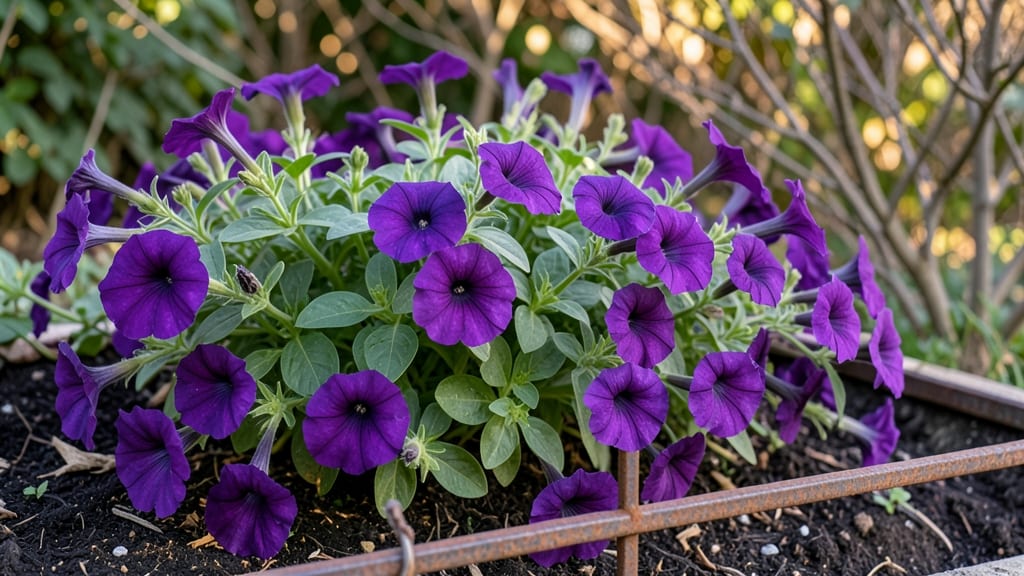
Purple petunia flowers transform any container into a vibrant centerpiece that demands attention. 🌿 I’ve filled everything from window boxes to large pots with these cascading beauties, and they never fail to brighten up even the dullest corner.
The key? Pairing them with the right companions—think silver foliage for contrast or white petunias to make the purple pop even more.
These flowers thrive in full sun to partial shade, making them perfect for balconies, patios, or even sunny windowsills. A 12-inch pot works for small varieties, while trailing types need 18-inch or larger containers to show off their dramatic spill.
Mix in some moss or ivy for texture, and you’ve got a low-maintenance display that looks expensive but costs pennies.
By midsummer, your containers will be a purple waterfall of blooms, drawing in bees and butterflies while keeping weeds at bay. The secret to long-lasting color? Deadheading spent flowers weekly and feeding them every two weeks with a balanced fertilizer. Trust me, your neighbors will ask where you bought them.
For extra drama, layer heights—tall snapdragons in the back, medium petunias in the middle, and trailing sweet potatoes spilling over the edges. This combo works in spring, summer, and even fall if you bring containers indoors before frost. Once you try it, you’ll wonder why you didn’t do this sooner.
📚 In This Guide
- What you need
- Instructions
- Tips and common mistakes
- Wrapping up and next steps
What you need
- ● Purple Petunia Seeds or Seedlings: Choose Petunia × hybrida varieties like 'Supertunia,' 'Wave,' or 'Mitchell' for container-friendly growth.
- ● Quantity: 3–5 seeds per 6-inch pot or 1 seedling per 10–12-inch container.
- ● Containers: Size: 10–12 inches deep (minimum) for 1–3 plants per container.
- ● Drainage: Ensure holes at the bottom + a saucer or tray.
- ● Material: Terracotta, plastic, or fabric (avoid metal if exposed to direct sun).
- ● High-Quality Potting Mix: Well-draining blend with 50% peat moss or coconut coir, 30% perlite/vermiculite, and 20% compost.
- ● Add 1 tbsp slow-release fertilizer (10-10-10 NPK) per gallon of mix.
- ● Watering Can or Spray Bottle: Fine rose nozzle for gentle watering (avoid soggy soil!).
- ● Gloves & Pruners: For handling seedlings and deadheading.
- ● Mulch: Pine bark fines (1 inch) to retain moisture.
- ● Epsom Salt: 1 tsp per gallon of water monthly for magnesium boost.
- ● Support Stakes: For trailing varieties (e.g., 'Wave Petunias').
- ● Self-Watering System: For vacation care (e.g., Lechuza containers).
Step-by-Step guide to growing purple petunias in containers
Here’s how to create a vibrant, low-maintenance purple petunia display that blooms all season long.
🌱 Step 1: Select the Right Containers and Soil Mix
Choose containers with drainage holes at least 12 inches deep and 12-14 inches wide—petunias need room for roots to spread. I prefer terra cotta or fabric pots because they allow excess moisture to evaporate, preventing root rot. Fill each container with a well-draining potting mix that includes perlite or vermiculite (about 20% of the mix) to improve aeration and drainage.
Moisten the mix until it’s damp but not soggy—you should be able to squeeze a handful and see moisture beads form without dripping. The right soil holds water without suffocating roots. If your mix feels too dense, add a handful of coco coir to lighten it up.
🌿 Step 2: Plant Purple Petunia Starts at the Correct Depth
Remove petunia starts from their nursery pots and gently tease apart the roots if they’re root-bound (circled or matted). Plant each 1-2 inches deeper than they grew in the nursery—this encourages stronger stem development. Space 4-6 plants per 12-inch container, arranging them evenly so they’ll fill in quickly.
Press the soil firmly around the roots to eliminate air pockets, but don’t compact it. Water deeply right after planting until water runs out the drainage holes—this settles the soil and helps roots establish contact. Avoid wetting the leaves to prevent fungal diseases like powdery mildew.
☀️ Step 3: Provide Full Sun and Consistent Watering
Place your containers in a spot that gets 6-8 hours of direct sunlight daily—petunias thrive in full sun but can tolerate morning sun with afternoon shade in hot climates. If you’re using a balcony or patio, rotate the pots a quarter turn weekly so plants grow evenly and don’t lean toward the light.
Water every 1-2 days, checking the top inch of soil—if it feels dry, it’s time to water. Petunias wilt quickly when thirsty, so deep watering (until water drains from the bottom) is better than frequent shallow drinks. Mulch the soil surface with 1 inch of organic mulch (like shredded bark) to retain moisture and keep roots cool.
✂️ Step 4: Prune and Fertilize for Continuous Blooms
Deadhead spent blooms weekly by pinching off flowers just above the next set of leaves. This encourages more flowers to form and prevents the plant from putting energy into seed production. I also trim back leggy stems to half their length in early summer—this promotes bushier growth and prevents the plant from flopping over.
Feed your petunias every 2-3 weeks with a balanced, water-soluble fertilizer (like 10-10-10) diluted to half strength. Over-fertilizing leads to lush foliage but fewer flowers, so stick to the schedule. If you notice yellowing leaves, flush the soil with plain water to prevent salt buildup from fertilizers.
🪴 Step 5: Overwinter and Repurpose Containers
When frost threatens, move containers indoors or to a sheltered spot where temperatures stay above 40°F. Reduce watering significantly—petunias go dormant in winter and only need moisture to keep roots alive. Prune back two-thirds of the plant to encourage fresh growth in spring.
In late winter, repot or refresh the soil if it’s compacted or depleted. Add a slow-release fertilizer to the new mix and resume care as soon as temperatures warm above 50°F. With proper overwintering, your petunias will bounce back stronger and bloom even more prolifically the following season.
Tips & tricks for growing purple petunias in containers
Here's what I learned after years of growing petunias—these tricks will help your purple petunias thrive and bloom like crazy all season.
Container Selection: While terra cotta and fabric pots are great, avoid plastic containers without drainage holes—they trap moisture and cause root rot. I've found that adding a layer of gravel or broken pottery shards at the bottom of any container improves drainage without sacrificing soil volume. This extra layer helps prevent soggy roots while keeping the soil structure intact.
Planting Depth: The 1-2 inch deeper planting in Step 2 might seem counterintuitive, but it actually strengthens stems by encouraging root development below the soil line. If you're planting multiple petunias, create small mounds of soil to plant on—this prevents water pooling around stems and reduces disease risk. I've seen petunias planted this way grow twice as sturdy as those planted at standard depth.
Sunlight Optimization: For containers on balconies or patios, consider using reflective surfaces like white walls or mirrors to bounce extra light onto your plants. This can help if you're getting only 5-6 hours of direct sun. I also recommend placing containers on casters so you can easily rotate them weekly—this ensures even growth and prevents lopsided plants reaching for the sun.
Watering Wisdom: The "every 1-2 days" guideline works best in average conditions, but petunias in containers dry out faster in hot weather. I've started using a moisture meter to check soil moisture—when it reads dry at the 1-inch mark, that's your watering cue. For busy gardeners, consider adding a self-watering reservoir to your container setup, which can extend time between waterings by up to 3 days.
Pro Tips for Purple Petunia Flower
- Here's what I learned after years of growing petunias—these tricks will help your purple petunias thrive and bloom like crazy all season.
- Container Selection: While terra cotta and fabric pots are great, avoid plastic containers without drainage holes—they trap moisture and cause root rot.
- Planting Depth: The 1-2 inch deeper planting in Step 2 might seem counterintuitive, but it actually strengthens stems by encouraging root development below the soil line.
Frequently asked questions
Got questions about growing purple petunia flowers? You’re in the right place! Here are answers to the most common queries—from planting to troubleshooting—to help your container garden bloom beautifully.
How often should I water purple petunias in containers?
Purple petunias love consistent moisture! Water them daily during hot, dry spells or when the top inch of soil feels dry. Containers dry out faster than garden beds, so check soil moisture regularly. Pro tip: Use self-watering pots or mulch to retain moisture and prevent wilting.
When is the best time to plant purple petunias for long-lasting blooms?
For continuous color, plant purple petunias in early spring after the last frost (Zone 5+). You can also start them indoors 8–10 weeks before the last frost. Deadhead spent blooms regularly to encourage nonstop flowering until first frost. Bonus: Succession planting every 2–3 weeks extends your bloom time!
Can purple petunias grow in partial shade, or do they need full sun?
While they prefer full sun (6+ hours/day), purple petunias tolerate partial shade (4–6 hours of sun). In shadier spots, blooms may be fewer but still vibrant. Avoid deep shade—they’ll stretch and produce fewer flowers. Container hack: Rotate pots weekly for even sun exposure!
Why are my petunia leaves turning yellow or spotted?
Yellow leaves often signal overwatering or fungal issues (like powdery mildew). Spotted leaves? Check for aphids or spider mites. Improve airflow, water at the base (not leaves), and remove affected foliage. For pests, spray with neem oil or insecticidal soap. Preventative tip: Space plants 12–18 inches apart in containers!
What’s the best companion plant for purple petunias in containers?
Pair them with trailing plants like sweet potato vine or calibrachoa for a full, lush look. Herbs like basil or thyme deter pests naturally, while marigolds repel bugs. Avoid heavy feeders (e.g., tomatoes)—petunias thrive with balanced 10-10-10 fertilizer. Design tip: Mix heights for a cascading effect!
Still stumped? Drop your question below—we’re happy to help your petunias shine!
Wrapping up and next steps
From their vibrant purple hues to their effortless container-friendly growth, purple petunias are a gardener’s dream—adding color, charm, and low-maintenance beauty to any space. 🌸 Whether you’re a seasoned green thumb or a beginner, these blooms prove that stunning results don’t require complicated setups.
Ready to elevate your garden or balcony? Start small—pick a sunny spot, grab a few petunia seeds or seedlings, and let nature do the rest!
- Next step: Browse our guide on petunia care tips to keep your flowers thriving all season!