
Flowers
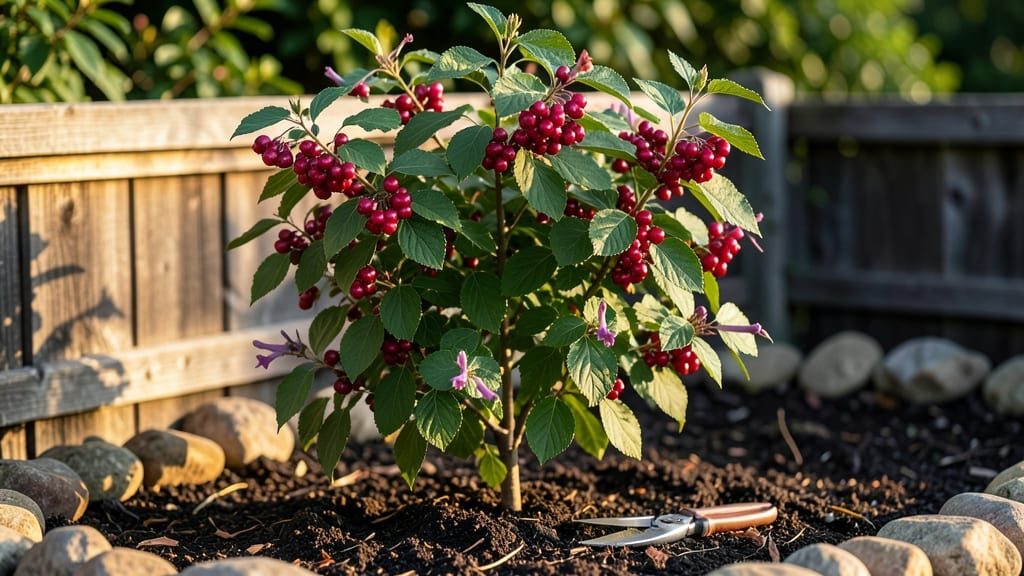
Red berry flowers transform your garden into a year-round masterpiece with bold color and texture. 🌺 I’ve designed borders and hedges using Pyracantha and Viburnum that stay vibrant from spring blooms to winter berries, creating a focal point that never fades.
The secret lies in their layered interest—fragrant flowers in spring, glossy foliage in summer, and clusters of red berries that persist through frost.
These plants thrive in full sun to partial shade, making them versatile for borders, privacy screens, or pollinator gardens. Pair Callicarpa’s purple berries with Pyracantha’s fiery red for striking contrast, or let Viburnum’s lacecap blooms lead into a sea of evergreen.
Their low-maintenance nature means fewer headaches and more impact—ideal for gardeners who want beauty without the fuss.
Imagine a winter scene where deep red berries stand out against snow, or summer evenings filled with the hum of bees visiting delicate blossoms. These plants deliver seasonal drama with minimal effort, ensuring your garden remains the envy of the neighborhood.
Start small with a single specimen or create a bold statement hedge—either way, the results will be stunning.
Perfect for urban yards, cottage gardens, or modern landscapes, these berry-bearing shrubs adapt effortlessly. Whether you’re refreshing an old border or adding structure to a new design, their vibrant hues and hardy nature make them a foolproof choice for lasting color. Ready to bring this seasonal spectacle to your garden?
📚 In This Guide
- What you need
- Instructions
- Tips and common mistakes
- Wrapping up and next steps
What you need
- ● Red berry flower plants: 1–3 young plants (3–6 inches tall) or seeds (if starting from scratch).
- ● Recommended varieties: Beautyberry (Callicarpa bodinieri), Cranberry Bush (Viburnum trilobum), or Winterberry (Ilex verticillata).
- ● Well-draining potting mix: 2–3 cubic feet (for containers) or amend garden soil with compost (1 part compost to 3 parts soil).
- ○ Containers (optional for potted plants): 1–2 gallon pots with drainage holes or a raised garden bed (12" deep).
- ● Slow-release fertilizer: 5–10-5 NPK ratio (1 tbsp per plant at planting time).
- ● Garden trowel or hand shovel (for transplanting).
- ● Watering can or hose with gentle spray nozzle (keep soil moist but not soggy).
- ● Pruning shears (for shaping and deadheading spent blooms).
- ○ Mulch (optional): 2–3 inches of shredded bark or pine needles to retain moisture.
- ● Sunlight access: Full sun to partial shade (6+ hours of light for optimal blooms).
- ● Patience! 🌱 Red berry flowers thrive best when planted in spring or early fall.
- ● Epsom salt (1 tsp dissolved in water monthly for magnesium-rich soil).
- ● Bird netting (to protect berries from hungry birds if you want to preserve them).
- ● Garden gloves (for handling prickly stems or thorns on some varieties).
- ● Drip irrigation system (for automated watering in dry climates).
Step-by-Step guide to cultivating stunning red-berry flowering plants
Here's how to grow bold, long-blooming red-berry flowers that steal the show from spring through fall.
🌱 Step 1: Select the Right Varieties for Vibrant Red-Berry Flowers
Choose plants known for their striking red berries and flowers, like Callicarpa bodinieri (Beautyberry) or Ilex verticillata (Winterberry). These thrive in full sun to partial shade and produce clusters of vivid red berries that last through winter. Beautyberry bushes grow 3-6 feet tall, while Winterberry can reach 6-12 feet, so plan spacing accordingly—6-10 feet apart for mature size.
For container growing, opt for dwarf varieties like Callicarpa dichotoma 'Early Amethyst' or Ilex 'Winter Red', which stay under 3 feet tall. These work beautifully in 15-20 gallon pots with proper drainage. I always check the plant tag for cold hardiness—most red-berry flowers handle USDA zones 5-9, but Winterberry extends to zone 3 with winter protection.
☀️ Step 2: Plant in Well-Draining Soil with Full Sun Exposure
Dig a hole twice as wide as the root ball but only as deep. Amend the native soil with 2-3 inches of compost mixed into the bottom of the hole to improve drainage and fertility. These plants dislike soggy roots, so avoid low-lying areas where water pools. If your soil is heavy clay, mix in 1 part perlite to 3 parts soil to loosen it up.
Place the plant so the top of the root ball sits 1 inch below soil level—this prevents stem rot from settling soil. Backfill with native soil mixed with compost, tamping gently as you go. Water deeply to eliminate air pockets, then add 2-3 inches of mulch around the base (but not touching the stem) to retain moisture and regulate soil temperature.
💧 Step 3: Water Deeply and Fertilize for Continuous Blooms
Water once a week during the first growing season, providing 1-1.5 gallons per plant to encourage deep root growth. After establishment, these plants are drought-tolerant but produce more vibrant berries with consistent moisture. You'll know they're thirsty when the leaves start curling at the edges—water deeply then, but avoid wetting the foliage to prevent fungal diseases.
Fertilize twice a year with a balanced 10-10-10 granular fertilizer in early spring and mid-summer. Sprinkle ¼ cup per plant around the drip line (not the base), then water thoroughly. Over-fertilizing leads to lush foliage but fewer berries—less is more with these plants. I always hold off fertilizing in fall to let the plant harden off for winter.
✂️ Step 4: Prune Strategically for Health and Abundant Berries
Prune in late winter or early spring before new growth appears. Remove dead, diseased, or crossing branches first to improve airflow. Then, cut back 1/3 of the oldest stems to the ground—this rejuvenates the plant and encourages new, vigorous growth. Beautyberry bushes benefit from this aggressive pruning, while Winterberry responds well to light shaping cuts to maintain an open center.
Never prune in fall, as new growth won’t harden off before winter. If you notice berry clusters looking sparse, thin them out in early summer by removing every other cluster—this ensures the remaining berries grow larger and more vibrant. Wear gloves when handling these plants, as their leaves can be slightly prickly.
⏰ Step 5: Protect and Maintain for Year-Round Interest
In USDA zones 5-6, mulch heavily with 4-6 inches of shredded bark in fall to insulate roots from freezing temperatures. Wrap young plants in burlap if your winters dip below 10°F—this prevents sunscald on the bark. Most mature red-berry flowers handle winter well, but their berries are the star show in late fall and winter when other plants have gone dormant.
Watch for spider mites on hot, dry days—you’ll spot them as tiny webs on the undersides of leaves. Treat with a neem oil spray if you see more than a few. Deadhead spent flowers in early summer to encourage a second flush of blooms, but leave the berries on the plant—they’re just as stunning as the flowers and provide food for birds through winter.
Tips & tricks for cultivating stunning red-berry flowers
These game-changing insights will help your red-berry flowers thrive with minimal effort and maximum impact.
Variety Selection Tip: When choosing between Beautyberry and Winterberry, consider your climate and space. Beautyberry thrives in USDA zones 5-9 and produces berries that last through winter, while Winterberry extends to zone 3 with protection. For containers, dwarf varieties like 'Early Amethyst' are perfect—they stay under 3 feet tall and fit beautifully in 15-20 gallon pots with proper drainage. Always check the plant tag for cold hardiness to avoid winter surprises.
Soil Preparation Strategy: The key to vibrant red-berry flowers lies in soil preparation. In Step 2, when amending your hole with 2-3 inches of compost, mix in a handful of perlite if your soil is heavy clay—this improves drainage and prevents root rot. I've seen soggy soil turn plants into leggy shadows, while well-draining soil produces bushy, berry-laden plants. The 1 inch below soil level planting depth is critical too—it prevents stem rot from settling soil.
Watering Wisdom: During the first growing season, your once-a-week watering should deliver 1-1.5 gallons per plant to encourage deep roots. After establishment, these plants become drought-tolerant, but consistent moisture produces more vibrant berries. Watch for curled leaf edges—they're thirsty! Water deeply then, but avoid wetting foliage to prevent fungal diseases. A drip irrigation system works wonders for even moisture distribution without the risk of leaf spots.
Pruning Precision: In Step 4, when you cut back 1/3 of the oldest stems to the ground, you're not just tidying up—you're rejuvenating the plant. Beautyberry responds dramatically to this aggressive pruning, while Winterberry prefers light shaping. Never prune in fall, as new growth won't harden off before winter. I've seen plants recover beautifully from winter pruning, but the berry production suffers. Timing is everything—late winter or early spring is perfect for this transformation.
Pro Tips for Red Berry Flowers
- These game-changing insights will help your red-berry flowers thrive with minimal effort and maximum impact.
- Variety Selection Tip: When choosing between Beautyberry and Winterberry, consider your climate and space.
- Soil Preparation Strategy: The key to vibrant red-berry flowers lies in soil preparation.
Frequently asked questions
When is the best time to plant red berry flowers?
Plant them in early spring (after the last frost) or fall (6-8 weeks before the first frost). This gives roots time to establish before extreme temperatures. If planting in containers, you can extend the window slightly—just avoid heatwaves or freezing soil!
How do I keep my red berry flowers blooming all season?
Consistent care is key! Prune spent blooms regularly to encourage new growth, water deeply 1-2 times per week (more in drought), and feed with a balanced fertilizer every 4-6 weeks. Bonus tip: Mulch around the base to retain moisture and protect roots!
Why aren’t my red berry flowers blooming?
Common culprits include over-fertilizing (too much nitrogen = leafy growth, no flowers), poor sunlight (they need 6+ hours of direct sun), or stress (like drought or transplant shock). Check soil drainage too—waterlogged roots can stunt blooms. Adjust care and give it time!
Can I grow red berry flowers in containers?
Choose a large pot (12"+ diameter) with drainage holes, use well-draining soil, and place it in a sunny spot. Dwarf varieties like Heuchera or Calluna (heather) thrive in containers. Just water more frequently than in-ground plants since pots dry out faster.
What are some low-maintenance alternatives with similar color?
If red berry flowers seem high-maintenance, try these vibrant, easy-care swaps:
- Salvia ‘Hot Lips’ – Bold red-purple blooms, drought-tolerant.
- Lantana – Clustered red flowers, thrives in heat.
- Impatiens – Shade-loving, fast-growing, and colorful.
- Sedum (Stonecrop) – Succulent-like, red-tinged varieties, nearly indestructible.
Wrapping up and next steps
From vibrant red berry flowers to lush, year-round blooms, this recipe proves that stunning floral displays are well within reach—even for beginners! 🌸 With the right materials, patience, and a dash of creativity, you can transform your garden (or windowsill) into a breathtaking oasis.
Whether you’re drawn to their bold hues or their resilience, these flowers are a rewarding addition to any space.
Ready to dive in? Start small—pick one variety to experiment with, gather your supplies, and let your green thumb shine. Before you know it, you’ll be sharing your flourishing red berry flower masterpiece with neighbors (and maybe even a few Instagram followers!). Happy gardening! 🌱