
Flowers
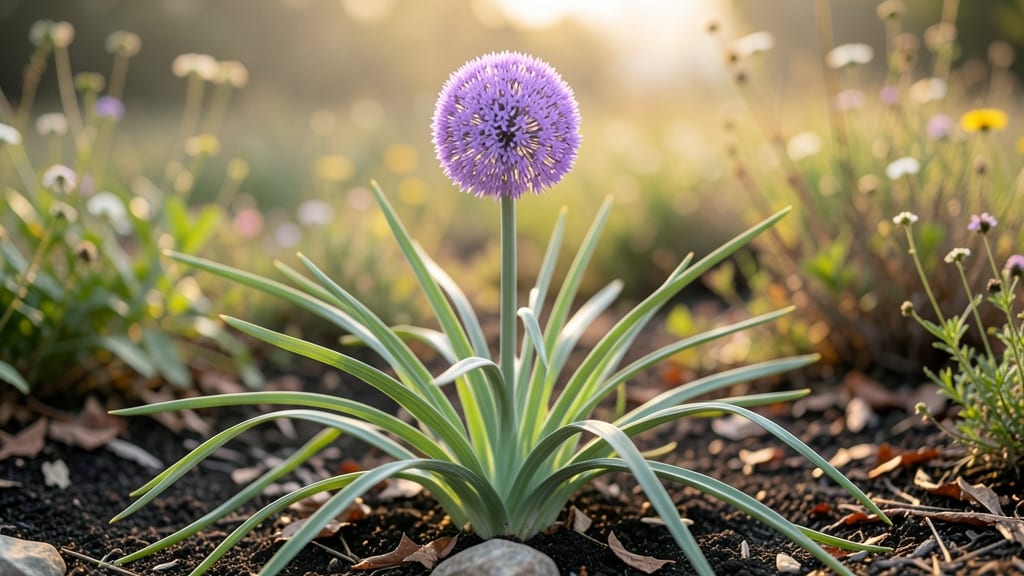
Growing the Saint Joseph flower (Allamanda cathartica) means year-round tropical blooms that turn heads without demanding constant pruning. I’ve wrestled with its fussy reputation—until I learned its secret: it thrives on neglect almost as much as it does on attention.
The key lies in mimicking its native jungle conditions, where it drapes vines across trees without fuss.
This plant loves bright, indirect light—think morning sun and afternoon shade—so a sheltered patio or greenhouse window works best. Well-draining soil prevents root rot, and once established, it tolerates drought better than overwatering.
The real magic happens when you let it climb: trellises or fences transform it from a sprawling mess into a lush, fragrant curtain of golden-orange blooms.
You’ll be rewarded with flowers that open in waves all year, especially if you feed it lightly during spring and summer. Pruning is minimal—just trim leggy growth after blooms fade to encourage bushier growth.
Even in colder zones, it survives as a tender perennial with winter protection, making it far easier than most tropicals.
Perfect for gardeners who want low-maintenance beauty without sacrificing drama. Here’s how to keep yours thriving—no green thumb required.
📚 In This Guide
- What you need
- Instructions
- Tips and common mistakes
- Wrapping up and next steps
What you need
- ● Saint Joseph Flower Seeds or Seedlings: Seeds: 1 packet (contains ~500 seeds) or Seedlings: 3–5 healthy plants (6-inch pots recommended)
- ● Growing Containers: Hanging baskets (6–12 inches in diameter) or Window boxes (10–12 inches wide)
- ● Well-Draining Potting Mix: 1 bag (5–10 quarts) of lightweight, peat-based mix (add perlite or sand for drainage)
- ● Slow-Release Fertilizer: 1 packet (10–20 lb) of balanced 10-10-10 or 14-14-14 formula
- ● Watering Can or Spray Bottle: Small to medium size (1–2 gallons) with a fine rose nozzle
- ○ Gloves: Lightweight gardening gloves (optional but recommended for handling soil/seeds)
- ● Trowel or Small Hand Shovel: For transplanting seedlings
- ○ Pruning Shears: Sharp, small-bladed shears for trimming (optional for minimal pruning)
- ● Sunlight Access: 4–6 hours of morning sun or Bright, indirect light (east-facing window or grow lights)
- ○ Humidity Tray (Optional): For seedlings (use a shallow tray with pebbles and water)
How to cultivate Saint Joseph Flower for season-long color
Mastering this drought-tolerant perennial means vibrant blooms with almost no fuss—just a few key timing cues.
Select the Perfect Planting Location
Saint Joseph flowers thrive in full sun to partial shade, with at least 6 hours of direct sunlight daily for optimal blooming. I always choose a spot with well-draining soil—these plants despise soggy roots. If your soil is heavy clay, amend it with 2-3 inches of compost before planting to improve aeration and moisture control.
Test your site's drainage by digging a 6-inch hole, filling it with water, and watching how quickly it drains. If water remains after 30 minutes, raise the planting area by mounding soil or selecting a container with drainage holes. The ideal location balances sun exposure with airflow to prevent fungal issues.
Plant at the Right Time and Depth
For best results, plant Saint Joseph flowers in early spring after the last frost date, when soil temperatures reach 60°F. Dig a hole twice as wide as the root ball but only as deep—planting too deep suffocates the roots. Gently loosen the roots if they're circling tightly in the container.
Backfill with native soil, firming it lightly around the base to eliminate air pockets. Water deeply immediately after planting to settle the soil and encourage root contact. Avoid fertilizing at planting—these plants prefer lean soil and will bloom more prolifically without excess nitrogen.
Water Strategically for Drought Resistance
Once established, Saint Joseph flowers are remarkably drought-tolerant, but young plants need consistent moisture. Water deeply once a week during the first growing season, ensuring the soil is moist 6 inches down. You'll know it's time to water when the top 2 inches of soil feel dry to the touch.
After the first year, reduce watering to every 2-3 weeks unless your region experiences prolonged dry spells. Overwatering causes root rot, so always check soil moisture before watering. Mulch with 2-3 inches of organic mulch (like shredded bark) to retain moisture and suppress weeds—this also keeps roots cool during summer heat.
Prune for Continuous Blooms
Minimal pruning is the secret to year-round color. After each flowering cycle, trim back spent blooms to just above the first set of healthy leaves using clean, sharp pruners. This encourages new growth and prevents seed production, which drains the plant's energy.
In late winter, give your Saint Joseph flowers a light renewal prune by cutting back one-third of the oldest stems to stimulate fresh, vigorous growth. Avoid heavy pruning—these plants naturally bloom on both old and new wood, so aggressive cuts reduce flowering potential. Always sterilize your tools with rubbing alcohol between cuts to prevent disease spread.
Protect and Maintain Through Seasons
In cold climates, protect young plants with 2-3 inches of mulch in winter to insulate roots from freezing temperatures. Mature plants handle frost well but may benefit from a light frost cloth during unexpected late frosts. In summer, watch for powdery mildew—improve airflow by spacing plants 18-24 inches apart and avoid overhead watering.
Fertilize lightly in early spring with a balanced, slow-release fertilizer (10-10-10) at half strength. Too much fertilizer promotes leafy growth at the expense of flowers. Deadhead spent blooms regularly to maintain the plant's energy for continuous flowering. With these simple steps, your Saint Joseph flowers will reward you with vibrant color from spring through fall.
Tips & tricks for perfect Saint Joseph Flower cultivation
These pro insights will help you maximize blooms with minimal effort—once you know the subtle details that make all the difference.
Sunlight Secret: While the instructions mention full sun to partial shade, I've found the sweet spot is actually 6-8 hours of direct sunlight for peak blooming. South-facing locations work best, but east-facing spots with morning sun also perform well. Avoid west-facing areas where afternoon sun can scorch leaves during summer months.
Soil Test Hack: Before amending your soil with compost, perform a simple pH test using baking soda and vinegar. Mix 1 tablespoon of soil with ½ cup vinegar—if it fizzes vigorously, your soil is alkaline (pH 7+). For acidic soils (pH 6-), add 2-3 inches of peat moss to the compost mix. Saint Joseph flowers prefer slightly acidic to neutral soil (pH 6.0-7.0) for optimal nutrient uptake.
Watering Wisdom: The instructions mention checking soil moisture by touching the top 2 inches, but I recommend using a soil moisture meter for accuracy. These $10 tools show precise moisture levels, preventing both underwatering and overwatering. For container plants, check moisture at the 3-inch depth instead—containers dry out faster than ground soil.
Pruning Precision: When performing the late winter renewal prune, focus on removing stems that are woody and hollow rather than just the oldest ones. These dead stems won't produce flowers anyway. Use pruning shears at a 45-degree angle just above a healthy leaf node to encourage new growth from that point. This technique maximizes your plant's energy for blooming.
Pro Tips for Saint Joseph Flower
- These pro insights will help you maximize blooms with minimal effort—once you know the subtle details that make all the difference.
- Sunlight Secret: While the instructions mention full sun to partial shade, I've found the sweet spot is actually 6-8 hours of direct sunlight for peak blooming.
- Soil Test Hack: Before amending your soil with compost, perform a simple pH test using baking soda and vinegar.
Frequently asked questions
about the Saint Joseph Flower (also known as Lobelia erinus) can help you avoid common pitfalls and maximize your success. Here are some of the most common queries:When is the best time to plant Saint Joseph Flower?
The ideal time to plant Saint Joseph Flower is in early spring after the last frost, or in late summer for a fall bloom. If you’re growing it as an annual, start seeds indoors 8-10 weeks before the last frost for a head start. For perennials (in warmer climates), plant in spring or early fall to allow roots to establish before winter.
How long does it take for Saint Joseph Flower to bloom?
With proper care, Saint Joseph Flower typically blooms 6-8 weeks after planting from seed or 4-6 weeks after transplanting young plants. If you’re starting with cuttings, expect blooms in 8-10 weeks. For continuous blooms, deadhead spent flowers regularly—this encourages new growth and prolongs the flowering season!
Can Saint Joseph Flower survive winter?
In USDA Zones 10-11, Saint Joseph Flower thrives year-round as a perennial. However, in colder climates (Zones 7-9), it’s best treated as an annual or protected with mulch and frost cloth. If you want to overwinter it, trim back in fall, cover with straw, and replant in spring. Pro tip: Some gardeners bring potted plants indoors to a cool, bright spot during winter!
What can I do if my Saint Joseph Flower isn’t blooming?
If your Saint Joseph Flower is leafy but not flowering, it’s often due to lack of sunlight (needs full sun to partial shade) or over-fertilizing with high-nitrogen feed (use a balanced 10-10-10 or bloom-boosting fertilizer). Also, check for overcrowding—thin plants to improve airflow. Finally, pinch back tips early in the season to encourage bushier growth and more blooms!
Are there alternatives to Saint Joseph Flower for hanging baskets?
If you love the trailing, cascading look of Saint Joseph Flower, consider these low-maintenance alternatives:
- Bacopa (Sutera cordata) – Drought-tolerant, white/purple blooms, thrives in shade.
- Petunia – Bold colors, long bloom season, but needs more frequent watering.
- Lobelia (Lobelia erinus 'Crystal Palace') – Similar care but slightly hardier.
- Calibrachoa (Million Bells) – Petunia-like but more heat-resistant.
Wrapping up and next steps
The Saint Joseph flower is a rewarding addition to any garden, offering vibrant blooms with minimal fuss—perfect for both beginners and seasoned gardeners! 🌸 With the right care, you’ll enjoy its beauty year-round while keeping pruning simple.
Whether you’re drawn to its striking colors or its low-maintenance charm, this flower is a delightful way to elevate your outdoor space.
Ready to bloom with confidence? Start by gathering your supplies, then plant with patience—soon, your garden will thank you! 🌱 Share your progress with fellow plant lovers or tag us in your photos!