Tools
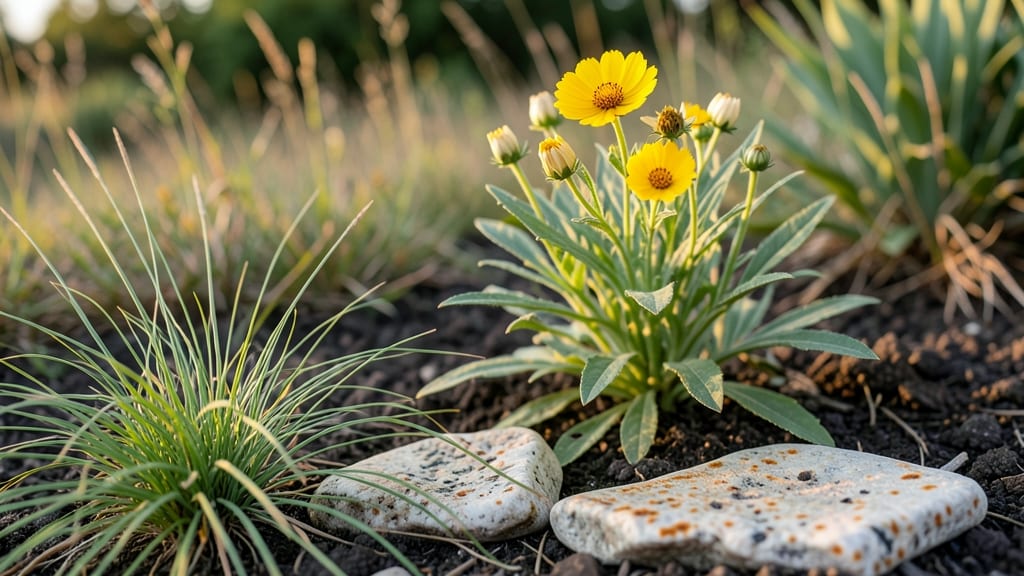
A small wildflower garden can transform even the tiniest patch into a buzzing haven for bees, butterflies, and hummingbirds—no green thumb required. 🌸 I started mine in a 4x4-foot corner of my balcony, and within weeks, the air hummed with life.
The key isn’t fancy layouts but choosing the right mix of native flowers that bloom from spring through frost.
You’ll need just a few supplies: a sunny spot (even partial shade works), some loose soil, and a handful of seeds or plugs. Native species like milkweed, coneflowers, and black-eyed Susans thrive with minimal fuss, while containers or window boxes let you grow flowers on patios or rooftops.
The best part? These gardens need less watering and no chemical treatments—just a sprinkle of seeds and patience.
By mid-summer, you’ll have a riot of color and movement, with bees darting between blooms and butterflies sipping nectar. The scent of wildflowers lingers in the air, and the sight of pollinators at work makes every season feel alive. Plus, your garden will support local ecosystems while looking effortlessly beautiful.
Whether you’re working with a windowsill or a backyard nook, this approach scales easily. Start small, experiment with colors, and watch your little corner become a sanctuary for wildlife—and your soul. The magic happens when you let nature take the lead.
📚 In This Guide
- What you need
- Instructions
- Tips and common mistakes
- Wrapping up and next steps
What you need
- ● Wildflower Seeds: Choose native, pollinator-friendly varieties (e.g., Black-eyed Susan, Coneflower, or Milkweed). Aim for 1–2 lbs per 100 sq. ft. (or follow seed packet instructions).
- ● Garden Soil: Well-draining, nutrient-rich soil (or a mix of topsoil and compost, 1 part compost to 3 parts soil).
- ● Garden Bed or Container: For in-ground gardens: A 4"–6" deep bed (size depends on your space—even a 3' x 3' plot works!).
- ● For containers: Pots with drainage holes, at least 6" deep (e.g., window boxes or hanging baskets).
- ● Watering Can or Hose: With a gentle spray nozzle for even watering.
- ● Garden Gloves & Kneeling Pad: For comfort and protection.
- ● Hand Trowel or Rake: For loosening soil (6"–8" wide works best).
- ● Mulch: Straw or shredded leaves (1–2 inches thick) to retain moisture and suppress weeds.
- ● Fertilizer: Slow-release, organic fertilizer (e.g., fish emulsion or compost tea) for nutrient boosts.
- ● Pest Deterrents: Neem oil or insecticidal soap (if pests become an issue).
- ● Stakes or Labels: To mark seed rows (especially useful for beginners!).
- ● Wildlife-Friendly Additions: Small rocks or pebbles for drainage in containers.
- ● A shallow water source (e.g., a birdbath) for pollinators.
Step-by-step guide to designing your pollinator-friendly wildflower meadow
Here's how to create a thriving, low-maintenance wildflower haven that blooms from spring to fall.
🌱 Step 1: Choose the Perfect Location for Year-Round Blooms
Find a spot with at least 6 hours of sunlight daily—most wildflowers need full sun to thrive. I like to pick areas with existing soil (no need to dig) where grass is thin or bare patches appear naturally. Avoid low spots where water pools after rain—wildflowers hate soggy roots.
Test your soil's drainage by digging a 6-inch deep hole and filling it with water. If it drains within 2 hours, your site is perfect. If water remains after 4 hours, amend the area with 2-3 inches of compost to improve drainage before planting.
🌿 Step 2: Select Native Wildflower Seeds for Season-Long Color
Pick a mix of early, mid, and late-season bloomers to ensure continuous nectar for pollinators. I always choose 100% native seeds—they require less water, resist local pests, and support native bees, butterflies, and hummingbirds best. Look for blends labeled "pollinator-friendly" or "meadow mix."
Scatter seeds lightly—don't bury them. Most wildflower seeds need light to germinate, so simply toss them over prepared soil and press gently with your hand. For larger areas, use a seed spreader for even coverage. Water gently but don't soak—just enough to moisten the surface.
☀️ Step 3: Water Consistently Until Established
Keep the soil evenly moist (not soggy) for the first 4-6 weeks after planting. Water early in the morning to reduce evaporation and fungal risks. You'll know you're doing it right when the soil feels damp 1 inch below the surface—stick your finger in to check.
Once seedlings appear (usually 2-4 weeks), reduce watering to once a week unless your area experiences extreme heat or drought. Native wildflowers are drought-tolerant once established, but they need consistent moisture to develop strong root systems.
✂️ Step 4: Maintain with Minimal Effort
Let flowers go to seed at the end of the season—they'll self-sow for future blooms! In early spring, mow or trim any dead growth to 2-3 inches tall to make room for new shoots. Avoid cutting when flowers are in bloom—pollinators need the nectar.
If weeds become competitive, hand-pull them when soil is moist (they'll come out easier). I never use herbicides—wildflowers and pollinators share the same space, and chemicals harm both. A quick weekly walk through your meadow keeps it looking tidy without extra work.
🪴 Step 5: Extend the Season with Strategic Planting
For a spring burst of color, scatter extra seeds in late summer or early fall—they'll germinate in cooler weather and bloom early next year. Add late-summer bloomers like coneflowers or black-eyed Susans in June for a second flush of flowers when many gardens fade.
Leave seed heads standing through winter—they provide food for birds and shelter for beneficial insects. In late winter, lightly rake the area to expose fresh soil for any dormant seeds that need light to germinate in spring.
Tips & tricks for perfect small wildflower garden
Here's what nobody tells you about creating a thriving pollinator haven that actually lasts.
Location is Everything: That 6 hours of sunlight rule is non-negotiable—wildflowers won't thrive in shade. I've seen people plant in partial shade and wonder why nothing grows. Also, avoid areas where sprinklers hit—consistent moisture can rot seeds before they sprout. Look for sunlit spots where grass struggles naturally; those bare patches are perfect candidates.
Seed Selection Secret: The key to year-round blooms is mixing seed types. I always buy a pre-mixed "pollinator-friendly" blend that includes early bloomers like violets, mid-season favorites like black-eyed Susans, and late-season stalwarts like goldenrod. This creates a continuous buffet for bees and butterflies from spring through fall. Check the seed packet for bloom times—some blends only cover one season.
Watering Wisdom: Those first 4-6 weeks are critical—think of it like baby care for your wildflowers. I set a timer for morning watering and check soil dampness daily. Pro tip: Use a spray nozzle on your hose to avoid disturbing seeds when watering. And never water in the evening—wet foliage invites fungal diseases. Once established, your meadow will need only nature's rainfall.
Maintenance Shortcut: The 2-3 inch trim in early spring might seem harsh, but it's actually a game-changer. I use a string trimmer set to its highest setting and just skim the top. This prevents weeds from taking over while leaving plenty of room for new shoots. And here's the real secret: I never trim when flowers are in bloom—pollinators need that nectar more than I need a perfect lawn.
Pro Tips for Small Wildflower Garden
- Here's what nobody tells you about creating a thriving pollinator haven that actually lasts.
- Location is Everything: That 6 hours of sunlight rule is non-negotiable—wildflowers won't thrive in shade.
- Seed Selection Secret: The key to year-round blooms is mixing seed types.
Frequently asked questions
Got questions about creating your own small wildflower garden?
Here are some of the most common ones—and their answers—to help you get started with confidence!
What’s the best time of year to plant wildflowers?
For most regions, early spring or fall are ideal—soil is cooler, weeds are less competitive, and seeds have time to establish roots before extreme heat. If planting in summer, water deeply and mulch to retain moisture. Native wildflowers often have specific bloom times, so check seed packets for guidance!
How do I attract more pollinators to my small garden?
Plant a diverse mix of flowers with varying bloom times (e.g., early spring, summer, and fall bloomers). Add a shallow water source like a birdbath with pebbles, and avoid pesticides. Native plants are pollinator magnets—research what thrives in your area! Even a tiny patch can make a difference.
Do wildflowers need a lot of water once established?
Once rooted, most wildflowers are drought-tolerant and thrive with minimal watering. However, newly planted seeds or seedlings need consistent moisture (about 1 inch per week) until they’re 3–4 inches tall. Mulching helps retain soil moisture and suppress weeds—just keep mulch a few inches away from stems.
Can I grow wildflowers in containers or small spaces?
Use shallow containers (6+ inches deep) with well-draining soil. Dwarf varieties like blue fescue grass, creeping thyme, or alpine wildflowers work beautifully in pots, window boxes, or even vertical gardens. Just ensure they get enough sunlight (most need 6+ hours daily).
What should I do if my wildflowers get overrun by weeds?
Weeds compete for nutrients, but don’t despair! Hand-pulling early (when soil is moist) is easiest. For stubborn weeds, use a hula hoe or mulch heavily with straw or wood chips. Preventative tip: Plant densely and water deeply to crowd out weeds naturally.
Are there low-maintenance wildflower alternatives for busy gardeners?
Yes! Opt for self-seeding annuals like cosmos, black-eyed Susans, or poppies—they reseed themselves. Perennials like coneflowers, bee balm, or goldenrod return yearly with minimal care. Pro tip: Group plants by water needs to simplify upkeep!
Wrapping up and next steps
Creating a small wildflower garden is a rewarding way to support pollinators while adding beauty to any space—no matter how limited! 🌸 With the right native wildflowers, sunlight, and a little care, you’ll transform even a tiny patch into a thriving haven for bees, butterflies, and hummingbirds.
Start small, experiment, and watch your garden bloom with purpose.
Ready to take the next step? Pick your favorite wildflowers, grab your tools, and begin planting—your pollinator friends will thank you! 🐝 For extra inspiration, sketch a simple layout or snap photos of your progress. Happy gardening!