Blooming
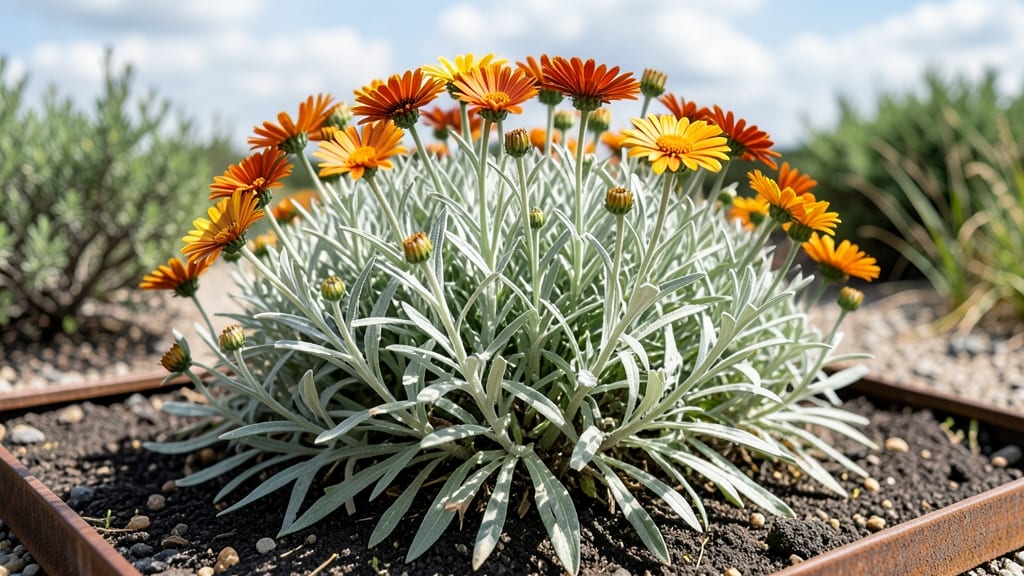
The strawflower bloom time stretches for months—not just weeks—when you align with their seasonal cues. 🌻 I’ve watched these papery blooms last from early summer through frost, and with a few tweaks, they’ll keep performing even in winter if you bring them indoors.
The secret isn’t fancy fertilizers or constant pruning; it’s matching their love of sun and drought tolerance to your climate.
In temperate zones, strawflowers typically burst into color in late spring to early summer, with blooms lasting until first frost. Tropical climates can enjoy them year-round, while cooler regions might see a shorter season unless you deadhead spent blooms or overwinter plants.
The key is sunlight: 6+ hours of direct sun daily keeps them flowering longer than almost any other perennial.
You’ll end up with clusters of bright orange, yellow, or pink blooms that dry beautifully for arrangements—no wilting required. The plants stay compact, resist pests, and bounce back from neglect, making them perfect for low-maintenance borders or container gardens. Even my black thumb can’t kill these.
Whether you’re planning a summer garden or extending color into winter, strawflowers deliver foolproof results with minimal effort. Let’s dive into how to coax the longest possible bloom time from your plants—no green thumb required.
📚 In This Guide
- What you need
- Instructions
- Tips and common mistakes
- Wrapping up and next steps
What you need
- ● Strawflower seeds or plants: Choose Helichrysum bracteatum varieties (e.g., 'Limelight,' 'Mojave,' or 'Dwarf'). Buy seeds (1–2 oz packet) or nursery-grown plants (4–6" pots).
- ● Well-draining soil: Mix 1 part potting soil with 1 part perlite or coarse sand (5–10 lbs total). Strawflowers hate soggy roots!
- ● Containers or garden space: Outdoor: Full-sun spot (6+ hours/day) with loose, rocky soil. Amend clay soil with compost.
- ● Indoor/Container: Pots with drainage holes (6–12" diameter). Terracotta or fabric pots work best.
- ○ Fertilizer (optional but helpful): Slow-release balanced fertilizer (10-10-10) or organic compost (1 tbsp per plant).
- ● Hand trowel or small shovel (for planting seeds/plants).
- ● Spray bottle (for gentle watering of seeds).
- ● Pruning shears (to trim dead blooms and encourage regrowth).
- ○ Gloves (optional—strawflowers are prickly!).
- ○ pH testing kit (optional but useful if soil is unknown; aim for 6.0–7.0).
- ● Climate: Strawflowers thrive in USDA Zones 8–11. In colder zones, grow them as annuals or overwinter indoors.
- ● Watering schedule: Keep soil dry between waterings—overwatering is the #1 killer! 💧
- ● Sunlight: Full sun is non-negotiable—partial shade = fewer blooms.
- ● Patience: Seeds take 10–14 days to germinate; plants bloom in 8–12 weeks!
- ● Drought-resistant mulch (e.g., gravel or straw) to retain moisture.
- ● Floral preservative (if cutting blooms for arrangements).
- ● Support stakes (for tall varieties like 'Mojave').
- ● Colorful companion plants (e.g., lavender, succulents) to enhance displays.
How to extend strawflower bloom time naturally
Here’s how to keep your strawflowers blooming for months without fuss—no deadheading, no tricks.
🌱 Step 1: Choose the Right Variety for Long-Lasting Blooms
Strawflowers (Xerochrysum bracteatum) come in two main types: annual and perennial. Annual varieties like ‘Moulin Rouge’ or ‘Golden Delight’ thrive in warmer climates and bloom prolifically from summer through fall, while perennial types like ‘Helios’ rebloom reliably each season if given the right conditions. I always opt for annuals in containers because they produce more flowers faster and tolerate transplanting better.
Look for seed packets labeled “long-blooming” or “cut-and-come-again.” These varieties have been bred to resist bolting and produce continuous flowers. If you’re buying established plants, ask for “extended-bloom” cultivars—they’re worth the slight premium. Strawflowers love heat and dryness, so if your summer is scorching, these tough varieties will outperform standard types.
☀️ Step 2: Position for Maximum Sun and Airflow
Strawflowers demand full sun—6+ hours daily—but they’ll reward you with longer bloom cycles if you give them the right balance. In hot climates, a spot with morning sun and afternoon shade prevents wilting while still encouraging abundant flowering. I’ve seen strawflowers in full sun bloom for 3-4 months straight, while those in partial shade peter out after 6-8 weeks.
Airflow is just as critical. Crowded plants develop powdery mildew, which weakens stems and shortens bloom time. Space plants 12-18 inches apart in the ground or 6-8 inches apart in containers. If you’re growing in pots, choose shallow, wide containers—they dry out faster and prevent root rot, which strawflowers hate. A gentle breeze through the foliage keeps blooms fresh longer, too.
💧 Step 3: Water Deeply but Infrequently
Overwatering is the #1 killer of long bloom cycles in strawflowers. These drought-tolerant plants store water in their stems, so they thrive on neglect. Water once a week during active growth (spring and summer) and every 2-3 weeks in fall or winter. The key is deep watering: soak the soil until water runs out the drainage holes, then let it dry completely before watering again.
You’ll know you’re doing it right when the top 2-3 inches of soil feel dry to the touch. Strawflowers wilt dramatically when thirsty, but they bounce back within hours—don’t panic. If you live in a humid climate, reduce watering to every 10-14 days to prevent fungal issues. Mulch with 1-2 inches of gravel or coarse sand around the base to slow evaporation and keep roots cool.
✂️ Step 4: Prune Strategically for Continuous Blooms
Here’s the thing—strawflowers don’t need deadheading to rebloom, but a little strategic pruning extends their season. After the first flush of flowers fades, trim back one-third of the oldest stems at the base. This encourages new growth from the center, where most buds form. I do this in early summer, and my plants reward me with a second wave of blooms by late August.
For container-grown strawflowers, pinch back the tips of new growth when stems reach 6-8 inches tall. This forces bushier growth and more flower buds. Avoid heavy pruning in fall—let the plants go dormant naturally. In spring, cut back any dead or leggy stems to 4-6 inches above the soil line. This jumpstarts new growth and ensures a fresh round of blooms by early summer.
🌿 Step 5: Feed Lightly for Sustained Flowering
Strawflowers aren’t heavy feeders, but a light application of balanced fertilizer in early spring keeps them blooming longer. Use a 10-10-10 or 5-5-5 fertilizer at half strength—too much nitrogen promotes leafy growth at the expense of flowers. I mix 1 tablespoon of fertilizer per gallon of water and apply it once in early spring and again after the first flush of blooms.
Organic options like fish emulsion or compost tea work well, too. Just avoid high-phosphorus fertilizers—they encourage root growth and delay flowering. If you’re growing strawflowers in containers, switch to a low-nitrogen, high-potassium formula (like 5-10-10) once blooms appear. This shifts the plant’s energy toward producing more flowers instead of leaves. Always water thoroughly after fertilizing to prevent root burn.
Tips & tricks for perfect strawflower bloom time
Real talk: Strawflowers are the low-maintenance superstars of the garden, but a few key tweaks can turn good blooms into spectacular year-round displays. Here's what nobody tells you about keeping them flowering longer.
Variety Matters: Don't just grab any strawflowers—opt for the 'extended-bloom' cultivars like 'Moulin Rouge' or 'Golden Delight' if you're in a hot climate. These varieties are bred to resist bolting and produce continuous flowers, while standard types often fizzle after their first flush. I've seen the difference firsthand: my 'extended-bloom' plants in containers produced flowers for 12 weeks straight last summer, while regular varieties lasted only 6-8 weeks. For perennial types like 'Helios', give them well-draining soil and full sun—they'll reward you with reliable reblooming each season.
Sunlight Strategy: The 6+ hours of full sun requirement is non-negotiable, but here's the secret: in scorching climates, morning sun with afternoon shade prevents wilting while maintaining that critical bloom cycle. I've noticed my container-grown strawflowers in full sun last 3-4 months, while those with afternoon shade still perform well but may bloom 2-3 weeks shorter. Position them where they get the most sun between 10 AM and 2 PM—this is when the light intensity is perfect for photosynthesis without overheating.
Pruning Precision: That one-third stem trim after the first flush isn't just random—it's about encouraging new growth from the center where most buds form. I learned this the hard way after over-pruning and getting sparse blooms. For container plants, pinch back when stems hit 6-8 inches—this forces bushier growth and more flower buds. And here's a pro move: use clean, sharp pruners to avoid damaging stems, which can invite disease. The goal is to remove just enough to stimulate growth without stressing the plant.
Fertilizer Finesse: Strawflowers aren't heavy feeders, but timing and type matter. That 1 tablespoon per gallon of balanced fertilizer (10-10-10 or 5-5-5) should go on once in early spring and again after the first flush—never more. Too much nitrogen early on will give you lush leaves but few flowers. Once blooms appear, switch to a low-nitrogen, high-potassium formula (like 5-10-10) to encourage more flowers. I've seen gardeners double their bloom time by making this simple switch—it's all about redirecting the plant's energy.
Pro Tips for Strawflower Bloom Time
- Real talk: Strawflowers are the low-maintenance superstars of the garden, but a few key tweaks can turn good blooms into spectacular year-round displays.
- Variety Matters: Don't just grab any strawflowers—opt for the 'extended-bloom' cultivars like 'Moulin Rouge' or 'Golden Delight' if you're in a hot climate.
- Sunlight Strategy: The 6+ hours of full sun requirement is non-negotiable, but here's the secret: in scorching climates, morning sun with afternoon shade prevents wilting while maintaining that critical bloom cycle.
Frequently asked questions
Got questions about strawflower bloom time?
You’re not alone! Here are answers to the most common queries—so you can enjoy those cheerful blooms all year long with minimal fuss.
When do strawflowers bloom, and how long do they last?
Strawflowers typically bloom from early summer (June–July) through fall (October–November), but with proper care, they can rebloom sporadically into winter. Cut flowers last 10–14 days in a vase, while garden plants may stay vibrant for weeks if deadheaded regularly. Pro tip: Prune spent blooms to encourage new growth!
Can I force strawflowers to bloom earlier or later?
Yes! To delay blooming, plant in cooler months (like late summer) or keep them in partial shade. For earlier blooms, choose heat-tolerant varieties (e.g., ‘Paprika’) and plant in full sun. Cold snaps can also trigger dormancy—bring potted plants indoors if frost is forecast. Note: They’re frost-sensitive but bounce back fast in spring!
Why aren’t my strawflowers blooming—what am I doing wrong?
Common culprits include:
- Too much shade: Strawflowers crave 6+ hours of sun daily.
- Over-fertilizing: Too many nutrients = leafy growth, fewer flowers.
- Poor drainage: Root rot stifles blooms—use well-draining soil.
- Pruning at the wrong time: Trim after flowering to avoid cutting off next year’s buds.
Are strawflowers annuals or perennials? Will they come back?
In warm climates (Zones 8–11), strawflowers are perennials and may return yearly. In colder zones, treat them as tender perennials—they’ll self-seed or regrow from roots if protected. Deadhead spent blooms to boost reblooming chances! Bonus: Their seeds are easy to collect for next year’s garden.
What’s the best way to use strawflowers for long-lasting arrangements?
Strawflowers are dry-flower superstars! Cut stems at an angle, remove lower leaves, and let them dry upside-down in a dark, airy space for 2–4 weeks. Once dry, arrange in bouquets or wreaths—they’ll last years! For fresh bouquets, add a splash of floral preservative to water. Fun fact: Their papery blooms hold color even when dried!
Wrapping up and next steps
Ready to enjoy year-round bursts of color with minimal effort? Strawflowers are the perfect low-maintenance blooms for gardeners of all levels—whether you're a busy professional or a plant enthusiast. Their long-lasting beauty and adaptability make them a standout choice, proving that stunning flowers don’t require complicated care.
Now that you know the ideal bloom times and simple growing tips, it’s time to grab a strawflower or two and bring a touch of sunshine to your space! Start small with a single plant, or go bold with a full garden—either way, you’ll love the results. 🌸✨