Lawn
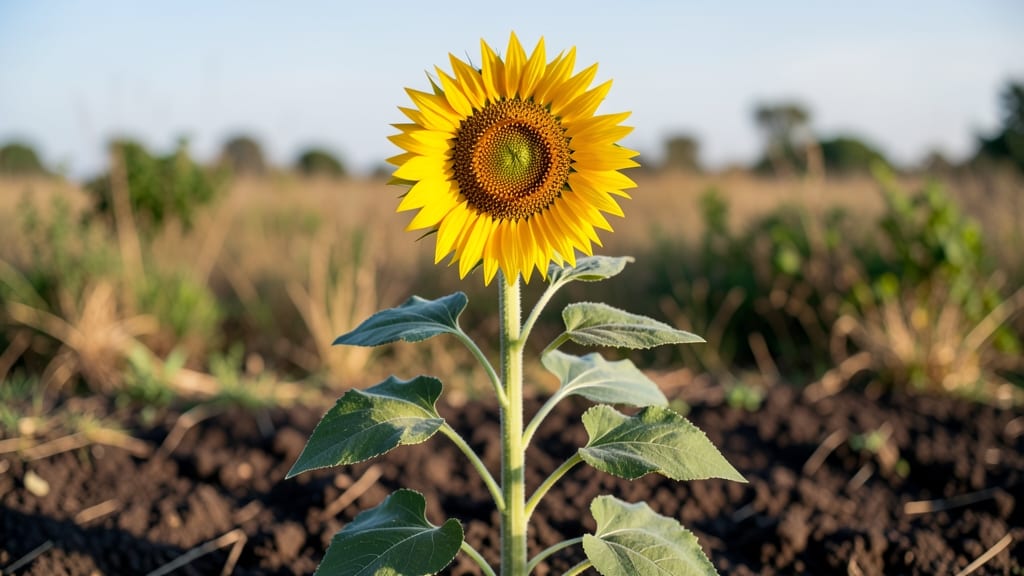
Watching sunflower seed growth delivers the kind of instant gratification most plants can’t match—those first fuzzy sprouts appear in days, and by summer, you’re staring up at 10-foot giants that make your neighbors do a double take. 🌻 The key to those towering stems isn't luck; it's matching their needs with simple, foolproof techniques that even my black thumb can't mess up.
Sunflowers thrive on sun, space, and patience—not fancy equipment. You'll need a sunny spot with at least 6 hours of direct light, loose soil mixed with compost, and patience for their two-phase growth: the rapid first 30 days of stem growth followed by the 30-day bloom push.
The real magic happens when you plant seeds 1 inch deep and keep soil moist (not soggy) while they germinate in 5-10 days.
By day 60, you'll have vibrant yellow blooms that attract pollinators and make your garden the talk of the block. The tallest varieties can reach 12+ feet, but even dwarf types grow 3-5 feet—all while producing edible seeds.
The secret to maximizing height? Consistent watering (1-2 inches per week) and staking when stems get top-heavy. No pruning needed—just watch them grow.
This method works in any climate zone, from containers to in-ground beds. Whether you're growing for cut flowers, birdseed, or just sheer joy, sunflowers deliver fast, dramatic results with almost no effort. Let's get those seeds in the ground!
📚 In This Guide
- What you need
- Instructions
- Tips and common mistakes
- Wrapping up and next steps
What you need
- ● Sunflower seeds: Choose fast-growing varieties like Mammoth or Russian Giant (50–100 seeds, depending on space). Opt for untreated, organic seeds for best results.
- ● Well-draining potting mix: 10–20 lbs (for containers) or enrich garden soil with compost (5–10 lbs per square yard). Avoid heavy clay.
- ○ Containers (optional): 5–10 gallon pots with drainage holes (1–2 per seedling) or a raised garden bed (6–12 inches deep).
- ● Watering can or hose: With a gentle spray nozzle to avoid disturbing seedlings.
- ● Fertilizer: Balanced 10-10-10 or organic options like compost tea or fish emulsion (apply at planting and mid-growth).
- ● Gloves: To protect hands while handling soil or seeds.
- ● Trowel or small shovel: For digging planting holes (1–2 inches deep).
- ○ Plant markers: Sticks or labels to track varieties (optional but helpful!).
- ○ Mulch (optional): Straw or wood chips to retain moisture and suppress weeds.
- ○ Sunlight gauge (optional): To monitor 6+ hours of direct sun daily.
Step-by-step guide to growing sunflowers from seed
Here's how to coax those towering stems from tiny seeds—no fancy tools needed.
🌱 Step 1: Prepare the Soil and Plant Seeds
Sunflowers thrive in loose, nutrient-rich soil with excellent drainage. Work the first 12 inches of soil to break up compaction and remove rocks. Mix in 2-3 inches of compost or aged manure to provide organic matter and nutrients. Sunflowers prefer slightly acidic to neutral soil (pH 6.0-7.5), so test your soil if possible.
Plant seeds ½ to 1 inch deep in rows spaced 2-3 feet apart. I like to plant 4-5 seeds per hole and thin later—they germinate quickly, and you’ll need strong plants for those towering stems. Space individual plants 18-24 inches apart to allow for airflow and prevent disease. Water gently after planting to settle the soil around the seeds.
☀️ Step 2: Provide Full Sun and Consistent Moisture
Sunflowers need at least 6-8 hours of direct sunlight daily—more is better for those dramatic blooms. If your garden gets partial shade, choose shorter varieties like 'Teddy Bear' or 'Moulin Rouge' instead of giants like 'Mammoth'. I’ve seen leggy, weak stems when seedlings don’t get enough light, so place them in the sunniest spot you have.
Water deeply once a week, aiming for 1-1.5 inches of water per week. Let the top 2 inches of soil dry out between waterings—sunflowers hate soggy roots, which can cause rot. Mulch around the base with 2-3 inches of straw or grass clippings to retain moisture and suppress weeds. Watch for wilting leaves; that’s your signal to water immediately.
🌿 Step 3: Thin and Support for Strong Growth
When seedlings reach 2-3 inches tall, thin them to the strongest 1-2 plants per hole. Gently pull weaker seedlings at the base—don’t yank them, or you’ll disturb the roots of the ones you’re keeping. This step is crucial; crowded sunflowers compete for nutrients and light, leading to weak stems that can’t support those massive blooms.
As plants grow taller, add stakes or cages for support. I use 6-foot bamboo stakes driven 6 inches deep into the soil beside each plant. Tie the stem loosely with soft cloth or plant ties every 12 inches up the stalk. Avoid tight ties—they can restrict growth as the stem thickens. You’ll notice stems bending toward the light? Rotate the plant occasionally to keep it growing straight.
✂️ Step 4: Monitor for Pests and Fertilize Mid-Season
Sunflowers attract pests like aphids, beetles, and birds, but they’re usually easy to manage. Check the undersides of leaves weekly for greenfly clusters or chewed foliage. Spray with neem oil or a soapy water solution (1 tablespoon mild dish soap per gallon of water) for minor infestations. Birds love the seeds, so consider bird netting once the flower buds form.
Fertilize when plants reach 12 inches tall with a balanced 10-10-10 or 5-5-5 fertilizer. Apply ½ cup per plant and water deeply to help nutrients absorb. Avoid over-fertilizing with nitrogen—it promotes leafy growth at the expense of those iconic blooms. Look for yellowing leaves as a sign of over-fertilization; flush the soil with extra water if this happens.
🌻 Step 5: Harvest and Enjoy Your Towering Stems
Sunflowers mature in 60-90 days, depending on the variety. Harvest when the back of the flower head turns yellow and the petals begin to droop. Cut the stem at a 45-degree angle, leaving 6-12 inches of stem for arrangements. For seed-saving, wait until the flower head turns completely brown and the seeds rattle inside.
Display your sunflowers in a vase with fresh water and trim the stems daily to extend their vase life. Here’s the thing—sunflowers aren’t just beautiful; they’re edible too. Roast the seeds for a crunchy snack or use the oil in cooking. Watch for squirrels or birds stealing your harvest; cover plants with netting if needed.
Tips & tricks for perfect sunflower seed growth
Here’s the thing about sunflowers—those towering stems don’t happen by accident. These tricks will help you avoid common pitfalls and maximize your chances of success.
Soil Preparation Secret: Don’t just scratch the surface—dig down 12 inches deep to break up compaction, especially if your garden soil is heavy or clay-based. I’ve seen sunflowers struggle when roots can’t penetrate dense soil. Mix in that 2-3 inches of compost right where the seeds will go—this creates a nutrient-rich zone exactly where the roots will spread. A simple soil test kit (around $15) is worth it to confirm your pH is in that 6.0-7.5 range—sunflowers are picky about this.
Light Optimization Strategy: Those 6-8 hours of sunlight are non-negotiable, but here’s the catch: morning sun is more important than afternoon. If you’re in a partial shade situation, plant your sunflowers where they get the most morning sunlight possible. I’ve noticed that seedlings grown in afternoon shade often develop weak stems that can’t support the flower heads later. For container growing, place pots on a sunny windowsill or balcony—south-facing gets the most light in northern hemispheres.
Watering Wisdom: The 1-1.5 inches of water per week guideline assumes average conditions, but real talk—your local climate matters. In hot, dry areas, you might need to water twice a week, while cooler regions can stretch it to 10 days between waterings. The key is that 2-inch dry topsoil test: stick your finger in the soil—if it’s dry at that depth, it’s time to water. Overwatering is worse than underwatering for sunflowers; soggy roots lead to rot and stunted growth. Mulching with 2-3 inches of straw helps maintain even moisture without smothering the plants.
Support System Hack: When you’re adding those 6-foot stakes, here’s what nobody tells you—angle them slightly away from the plant at a 15-degree angle. This gives the stem room to grow straight without constant pressure. I use soft plant ties every 12 inches, but make them adjustable: as the stem thickens (which it will!), you’ll need to loosen those ties. Watch for the plant leaning toward light? Gently rotate the stake every few days to encourage straight growth. This simple adjustment prevents the classic "leaning tower" look.
Pro Tips for Sunflower Seed Growth
- Here’s the thing about sunflowers—those towering stems don’t happen by accident.
- Soil Preparation Secret: Don’t just scratch the surface—dig down 12 inches deep to break up compaction, especially if your garden soil is heavy or clay-based.
- Light Optimization Strategy: Those 6-8 hours of sunlight are non-negotiable, but here’s the catch: morning sun is more important than afternoon.
Frequently asked questions
Got questions about growing sunflowers from tiny seeds to towering giants? You’re not alone! Here are some of the most common queries—plus quick, actionable answers to keep your sunflowers thriving.
How long does it take for sunflower seeds to sprout?
Sunflower seeds typically sprout within 7–14 days after planting, depending on soil temperature and moisture. For faster germination, keep the soil warm (around 70°F) and consistently damp. If you’ve waited 2 weeks with no sprouts, gently check for seeds—sometimes they’re still buried or didn’t make contact with the soil.
What’s the best temperature for sunflower seed growth?
Sunflowers love warmth! Ideal temperatures for germination and growth range from 70–90°F. If nights dip below 50°F, young plants may struggle. Use row covers or wait until after the last frost to plant outdoors. In cooler climates, start seeds indoors 4–6 weeks before the last frost date.
Why aren’t my sunflower seeds sprouting?
Common culprits include old seeds (plant fresh seeds for best results), cold soil (wait for warmer temps), or overwatering (soil should stay moist, not soggy). Try pressing seeds lightly into the soil (½ inch deep) and placing them in a sunny, warm spot. If using store-bought seeds, check the expiration date—some lose viability after 1–2 years.
Can I grow sunflowers in containers?
Dwarf varieties (like ‘Teddy Bear’ or ‘Moulin Rouge’) thrive in containers as small as 5–10 gallons. Use well-draining potting mix and place pots in full sun (6+ hours daily). For larger varieties, opt for a 15–20 gallon container with sturdy support, like a tomato cage. Just ensure the container has drainage holes to prevent root rot.
How do I protect sunflower seedlings from pests?
Young sunflowers are vulnerable to cutworms, aphids, and birds. Use row covers or collars (toilet paper tubes) to shield seedlings from cutworms. Spray aphids off with water or introduce ladybugs. For birds, try netting or reflective tape. Avoid chemical pesticides—sunflowers are non-toxic and safe for pollinators!
Pro Tip:
For bigger blooms, pinch off side buds when plants are 12–18 inches tall. This redirects energy to the main flower, resulting in a showstopper centerpiece!
Wrapping up and next steps
Growing sunflowers from tiny seeds to towering stems in just 60 days is a rewarding journey filled with vibrant colors and natural beauty! 🌻 Whether you're a beginner or a seasoned gardener, these hardy plants thrive with minimal effort—just a sunny spot, good soil, and a little patience.
Your green thumb is all you need to transform your lawn or garden into a cheerful sunflower haven.
Ready to harvest the fruits of your labor? Start by planting your seeds this week and watch them flourish! For even more success, experiment with different varieties or share your sunflower seeds with friends to spread the joy. Happy growing! 🌱