
Flowers
Texas flower gardening isn’t just about surviving the heat—it’s about turning scorching summers into a riot of bold, heat-loving blooms that make your neighbors green with envy. 🌺 I’ve spent years refining my own Texas garden, and the key isn’t just picking the right plants—it’s designing spaces where they thrive despite the 100-degree days.
The secret? Pairing native Texas beauties like blackfoot daisies and Turk’s cap with drought-tolerant standouts that never wilt.
You don’t need a lush, high-maintenance garden—just smart plant pairings and a few design tricks. Start with sun-loving perennials like salvia and lantana that drink deep but rarely need watering, then layer in annuals like zinnias for pops of color.
My urban patio garden in Austin proves even small spaces can burst with vibrant, low-water blooms—no fancy irrigation required. The soil? A simple mix of native compost and sand keeps roots happy without the fuss.
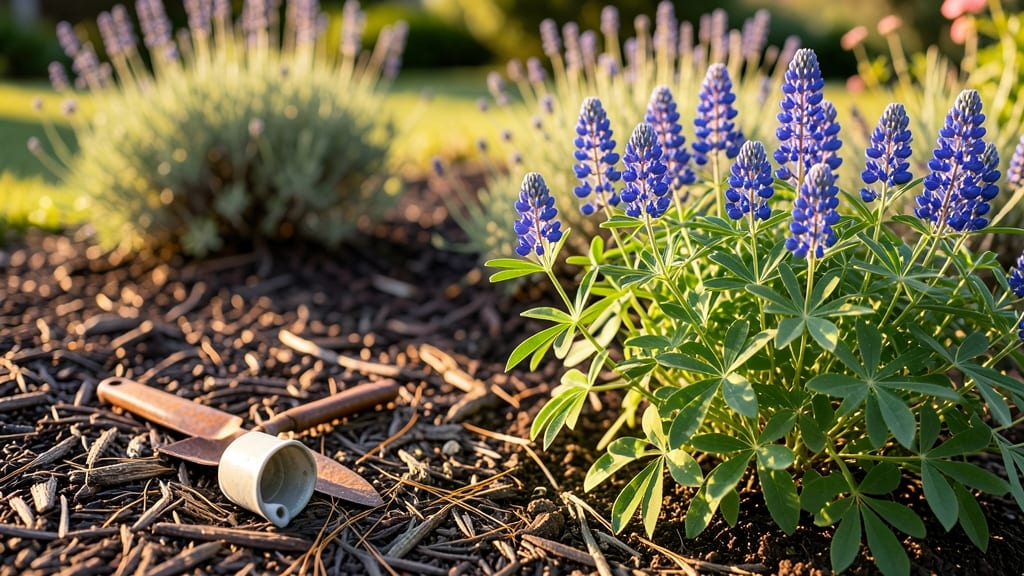
By mid-summer, your garden will be a sun-drenched paradise where every bloom feels like a victory lap against the heat. Imagine deep reds from firebush, sunny yellows from Mexican sunflowers, and the delicate lavender of Texas bluebonnets spilling over raised beds.
The best part? These plants attract hummingbirds and butterflies while needing half the water of traditional gardens. Let’s design a plot that’s as tough as it is beautiful.
Whether you’re in the Hill Country’s rocky soil or the Gulf Coast’s humidity, these principles adapt—just swap out a few plants for regional favorites. The goal isn’t perfection; it’s a garden that works with Texas’ quirks, not against them. Ready to make your yard the talk of the neighborhood?
📚 In This Guide
- What you need
- Instructions
- Tips and common mistakes
- Wrapping up and next steps
What you need
- ● Native Texas flowers: Choose heat-tolerant varieties like Blackfoot Daisy, Mexican Feather Grass, or Lantana (6–12 plants per 100 sq. ft.).
- ● High-quality soil: 2–3 cubic yards of native or well-draining potting mix (amend with compost for fertility).
- ● Mulch: 2–3 inches of organic mulch (pine straw or shredded bark) to retain moisture.
- ● Fertilizer: Slow-release balanced fertilizer (10-10-10) or native plant-specific blend.
- ● Water: Access to a drip irrigation system or hose (Texas heat demands consistent hydration!).
- ● Garden gloves (heavy-duty for prickly plants like Agave).
- ● Hand trowel (for transplanting small plants).
- ● Pruning shears (bypass type for clean cuts).
- ● Garden fork (for aerating soil).
- ● Wheelbarrow (1–2 cubic feet capacity for hauling soil/mulch).
- ○ pH testing kit (optional but helpful—Texas soil can be alkaline!).
- ● Sunlight assessment: Map your yard’s sun exposure (6+ hours/day for most Texas flowers).
- ● Drainage check: Ensure no standing water (Texas clay soil? Amend with sand or gravel).
- ● Pest awareness: Monitor for aphids, whiteflies, or deer (natural repellents like neem oil help!).
- ● Local regulations: Check HOA rules or native plant incentives (some Texas cities offer rebates!).
Step-by-Step guide to designing a heat-resilient Texas flower garden
Here's how to create a vibrant, sun-loving garden that thrives through Texas summers.
🌱 Step 1: Choose Native and Heat-Tolerant Varieties
Texas' intense sun and humidity demand plants that won't wilt under the pressure. I always start with native species like blackfoot daisy, Mexican feather grass, and autumn sage—they've evolved to handle the heat and drought. For bold blooms, consider turk's cap or plumbago, both of which flourish in full sun and produce vibrant flowers throughout the season.
If you want color year-round, mix in salvia greggii for spring blooms, lantana for summer, and gaillardia for fall. These plants not only survive the heat but also attract pollinators like bees and butterflies. Avoid traditional annuals like petunias—they'll crisp up in Texas summers.
☀️ Step 2: Optimize Sun Exposure and Soil Drainage
Most Texas flowers need 6+ hours of direct sun daily, but some like blue porter weed or evening primrose can handle partial shade in the hottest afternoons. I always group plants by sun requirements to avoid competition. For example, place sun-lovers like yucca or agave in the south or west-facing beds, while shade-tolerant columbines go near taller shrubs or trees.
Drainage is non-negotiable in Texas. Amend heavy clay soil with 2-3 inches of compost and a handful of sand or perlite to improve aeration. If your soil is naturally sandy, add organic matter like leaf mold or well-rotted manure to retain moisture without suffocating roots. Test your soil's pH—most Texas natives prefer slightly acidic to neutral conditions (6.0-7.0).
💧 Step 3: Water Deeply and Infrequently
Texas heat means watering smarter, not harder. I water my garden deeply 2-3 times per week during peak summer, focusing on the root zone rather than sprinkling leaves. Use a soaker hose or drip irrigation to deliver moisture slowly and reduce evaporation. Water in the early morning to prevent fungal diseases that thrive in humid nights.
Mulch heavily with 2-3 inches of shredded bark or pine straw to lock in moisture and keep roots cool. Avoid organic mulches like wood chips if you're planting succulents—they can rot in the heat. Watch for wilting leaves, but don't overreact: many Texas natives, like yucca or desert marigold, naturally fold their leaves in the heat to conserve water.
✂️ Step 4: Prune for Airflow and Seasonal Renewal
Deadheading spent blooms encourages more flowers, but in Texas, I also prune to improve airflow. Cut back overgrown salvia or lantana by one-third in early spring to promote bushier growth. For perennials like blackfoot daisy, trim back dead foliage in late winter before new growth appears—this prevents disease and keeps the plant tidy.
In late summer, give shrubby plants like Turk's cap a light pruning to shape them and remove any leggy growth. Avoid heavy pruning in fall, as new growth won't harden off before winter. If you're growing annuals like zinnias, pinch back the tips when they're young to encourage fuller, more compact plants that resist heat stress.
🪴 Step 5: Protect New Plants from Extreme Conditions
Young plants struggle in Texas' brutal summers. I always shade new transplants with 30-50% shade cloth for the first 2-3 weeks to ease them into the heat. Remove the cloth gradually over 10 days to avoid shocking the plants. For container-grown flowers, move pots to a sheltered spot during the hottest part of the day if temperatures exceed 95°F.
Watch for signs of heat stress: yellowing leaves, wilting despite watering, or crispy edges. If you see these, provide temporary shade and water deeply. Some plants, like Mexican bush sage, may drop leaves in extreme heat but bounce back once temperatures cool. Don't panic—it's a survival mechanism, not a death sentence.
Tips & tricks for perfect Texas flower gardens
Real talk: Texas heat doesn't have to mean wilted dreams. Here's how to turn those scorching summers into a showcase for bold, thriving blooms.
Native Plant Pairing: Group plants with similar water needs together—like yucca and agave in one bed, and moisture-loving salvia greggii near lantana. This creates microclimates that maximize survival rates. I've seen blackfoot daisy thrive alongside Mexican feather grass because they share drought tolerance, while plumbago and turk's cap prefer slightly more consistent moisture.
Soil Prep Strategy: The 2-3 inches of compost and sand/perlite mix in Step 2 isn't just about drainage—it's about creating an insulation layer. I've found that adding 1 cup of bone meal (optional) to planting holes gives perennials like autumn sage an extra phosphorus boost for root development. For containers, use a cactus/succulent mix amended with 20% perlite to prevent compaction.
Heat Stress Rescue: When you spot wilting despite proper watering (Step 3), don't panic—it's often just the plant's natural response to conserve water. For zinnias or gaillardia, provide afternoon shade with a lightweight shade cloth (30-50%) for 2-3 days, then gradually remove it. I've revived stressed Mexican bush sage by moving it to a spot with reflected light from a nearby white wall during peak heat.
Pruning Precision: That one-third pruning in Step 4 isn't arbitrary—it's about maintaining the plant's natural shape while encouraging bushier growth. For lantana, I cut just above leaf nodes where new growth emerges. For Turk's cap, I use clean pruners to make angled cuts that help water run off stems, preventing fungal issues in our humid climate.
Pro Tips for Texas Flower Gardening
- Real talk: Texas heat doesn't have to mean wilted dreams.
- Native Plant Pairing: Group plants with similar water needs together—like yucca and agave in one bed, and moisture-loving salvia greggii near lantana.
- Soil Prep Strategy: The 2-3 inches of compost and sand/perlite mix in Step 2 isn't just about drainage—it's about creating an insulation layer.
Frequently asked questions
Got questions about growing vibrant flowers in Texas’s fierce sun and humidity?
You’re not alone! Here are answers to the most common queries from gardeners tackling the Lone Star State’s unique challenges.
What are the best heat-tolerant flowers for Texas gardens?
Opt for native or drought-resistant blooms like Lantana, Blackfoot Daisy, Mexican Feather Grass, or Zinnias. These thrive in Texas heat (90°F+) with minimal fuss. Check our materials guide for soil prep tips!
When is the ideal time to plant flowers in Texas?
For most annuals, September–November (fall) or February–March (early spring) are perfect—avoiding peak summer heat. Perennials can go in fall or early spring, while bulbs like Daffodils need October–December planting. Pro tip: Water deeply after planting to help roots establish!
How often should I water flowers in Texas’s dry climate?
Water deeply 2–3 times per week (early morning) during summer, but reduce to once weekly in fall/winter. Mulch (2–3 inches) retains moisture and blocks weeds. Overwatering? Yellow leaves or mold mean you’re overdoing it—let soil dry between waterings.
What pests commonly attack Texas flowers, and how do I stop them?
Watch for Aphids, Whiteflies, and Spider Mites—they love Texas heat! Neem oil or insecticidal soap work well. For Deer, try Repellex granules or plant Lantana (they hate it!). Handpick slugs at night with a flashlight!
Can I grow flowers in containers in Texas’s heat?
Use terracotta pots (they breathe) with cactus/succulent mix or native soil. Choose compact varieties like Petunias or Geraniums. Move containers to shaded areas midday in peak summer. Drainage holes are a must—root rot is a silent killer!
Why are my Texas flowers wilting despite regular watering?
Wilting can signal overwatering, root rot, or heat stress. Check soil moisture 2 inches down—if soggy, reduce water. For heat stress, provide afternoon shade with shade cloth (30–50%) until temps drop. Lantana and Salvia are resilient picks if wilting persists.
Wrapping up and next steps
Texas flower gardening is all about embracing the bold, vibrant blooms that thrive in the Lone Star State’s unique climate—heat, humidity, and sunshine included! 🌵🌸 From drought-resistant natives like the Texas Bluebonnet to fiery Lantana and fragrant Jasmine, your garden can be a year-round paradise with the right choices and care.
Remember, healthy soil, smart watering, and seasonal prep are your best friends for keeping those petals popping.
Ready to dive in? Start small—pick one or two standout plants this season, experiment with colors, and watch your garden transform! 🌻 Whether you’re a beginner or a seasoned gardener, every bloom you nurture is a step toward a beautiful, resilient Texas landscape. Happy planting!