Planting
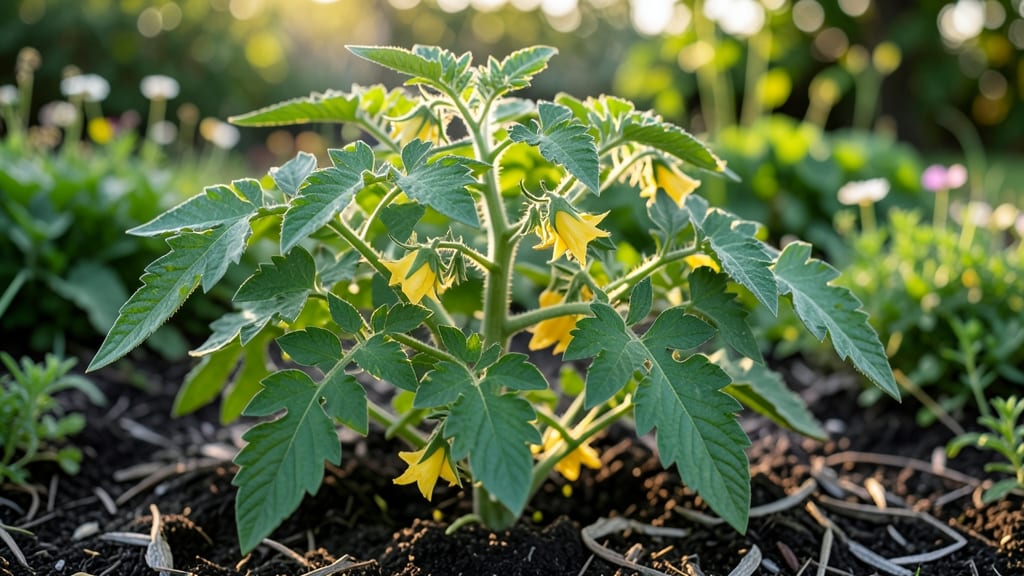
When your tomato plant starts flowering, the real magic begins—but only if you prune correctly. ✨ I’ve watched my plants go from scraggly to prolific just by removing a few stems, and the difference in harvest size is staggering.
The key is timing and technique to direct energy into fruit, not endless foliage.
Most gardeners skip pruning, assuming more leaves mean more tomatoes. Wrong. Pruning at this stage prevents overcrowding, improves airflow, and lets sunlight reach developing fruit. You’ll need sharp pruners, a sunny day, and about 15 minutes to inspect each plant.
Focus on removing suckers (those little shoots between stems) and any leaves shading the lower fruit.
Within 2-3 weeks, you’ll see thicker stems and heavier clusters of tomatoes. The plants stay healthier, pests have fewer hiding spots, and ripening happens faster. Just don’t go overboard—too much pruning stresses the plant. Balance is everything, and the payoff is worth it.
This works for both indeterminate (vining) and determinate (bush) varieties, though the approach differs slightly. For vining types, prune aggressively to encourage upward growth; for bush types, just tidy up. Either way, you’ll end up with a harvest that makes neighbors green with envy.
📚 In This Guide
- What you need
- Instructions
- Tips and common mistakes
- Wrapping up and next steps
What you need
- ● Pruning shears or sharp scissors – Clean, sterilized tools (alcohol wipe recommended).
- ● Gloves – Garden gloves to protect hands from thorns and dirt.
- ● Disinfectant (bleach or rubbing alcohol) – For cleaning tools between cuts (1:10 bleach-water mix).
- ○ Compost or mulch – Optional but helpful for post-pruning soil health.
- ● Sturdy support (cage, stake, or trellis) – If your plant isn’t already supported (adjust as needed).
- ● Healthy, established tomato plant – At least 12–18 inches tall with visible flowers.
- ● Sunny location – 6+ hours of direct sunlight daily (tomatoes are sun-worshippers!).
- ● Watering schedule – Consistent moisture (1–1.5 inches per week) but avoid soggy soil.
- ● Know your tomato variety – Determinate (bush) vs. indeterminate (vining) plants prune differently!
- ● Growth regulator (like Seaweed Extract) – Boosts flowering/fruiting (follow label instructions).
- ● Plant food (balanced fertilizer, 10-10-10) – Light feeding during flowering (avoid nitrogen-heavy mixes).
- ● Spray bottle with water – For misting flowers (helps with pollination on cloudy days).
- ● Camera or journal – Track progress! Snap pics of pruning cuts for reference.
How to prune tomato plants when they start flowering
Here's the simple method I use to boost fruit size and yield—no guesswork, just results.
🌿 Step 1: Identify the Right Pruning Points
When your tomato plants start flowering, focus on three key areas: suckers, lower leaves, and overcrowded stems. Suckers are those little shoots growing between the main stem and branches—pinch these off early to redirect energy to fruit production. Use your fingers or clean pruners to remove them cleanly at the base.
Next, strip away any leaves touching the soil. These create damp conditions that invite disease, and they don’t contribute to fruit growth. You’ll know you’ve done enough when the stem below the first flower cluster is clear of foliage for about 6-8 inches. This improves airflow and sunlight penetration to the lower fruit.
✂️ Step 2: Prune for Airflow and Sunlight
After removing suckers, step back and assess the plant’s structure. The goal is to create an open, airy shape that lets sunlight reach the inner leaves and fruit. I like to leave about 3-4 main stems on indeterminate varieties, cutting back any competing branches that grow too close together.
For determinate tomatoes (the bushy types), prune less aggressively—just remove diseased or crowded growth. You’ll notice the plant’s natural shape becomes more balanced, with leaves spread evenly rather than clustered. This prevents humidity pockets where fungal diseases like blight can take hold.
🌱 Step 3: Encourage Stronger Growth with Strategic Cuts
Once you’ve pruned the lower leaves and suckers, focus on the upper part of the plant. Leave about 12-18 inches of stem above the top flower cluster3-4 flowers, consider removing it entirely to let the plant focus on larger, more productive clusters.
Here’s the thing—don’t over-prune. You’re not trying to turn your tomato plant into a bonsai. Aim for a balanced approach: enough cuts to improve airflow and sunlight, but not so many that the plant struggles to recover. After pruning, water deeply to help the plant bounce back.
☀️ Step 4: Monitor and Adjust as Flowers Appear
Watch for new suckers forming at the junctions between stems and branches. These pop up quickly, so check your plants every 5-7 days during the flowering stage. Remove them immediately—delaying just a few days can mean the sucker takes energy away from your existing fruit.
As flowers turn into small green tomatoes, reduce pruning to only remove dead or diseased leaves. The plant is now focused on fruit development, and aggressive cuts can stress it. You’ll see the difference in 2-3 weeks: larger tomatoes, fewer dropped blossoms, and a plant that looks healthier overall.
Tips & tricks for perfect tomato plant pruning
Here's what nobody tells you about getting the most out of your tomato plants—these are the secrets that make all the difference.
Timing Secret: The 5-7 day monitoring window in Step 4 is your best friend. New suckers appear fast, so set a reminder or tie a string around the stem where you last checked. This visual cue helps you spot them immediately—delaying even a few days can mean smaller tomatoes later. I've seen plants go from healthy to struggling just because I missed a sucker for a week!
Visual Cue for Pruning: When clearing leaves in Step 1, aim for that "6-8 inch" clear stem like you're measuring for a perfect sleeve cuff. Hold your hand vertically against the stem—your fingers should just about touch the first flower cluster. This ensures sunlight reaches the developing fruit while keeping the plant's energy focused upward.
Indeterminate vs Determinate: For indeterminate varieties (the vining types), leave those 3-4 main stems as mentioned in Step 2, but here's the trick: the strongest stem is usually the one closest to the center. For determinate tomatoes (the bushy ones), less is more—just remove crowded growth. I once over-pruned a determinate plant and ended up with half the yield because I thought more cuts meant better results!
Stress Recovery: After pruning, that deep watering in Step 3 isn't just about hydration—it's about shock prevention. Watering helps the plant recover faster by maintaining root moisture. I've found that plants watered immediately after pruning show new growth in just 3-4 days, while those left to dry out can take twice as long to bounce back.
Pro Tips for Tomato Plant Starting To Flower
- Here's what nobody tells you about getting the most out of your tomato plants—these are the secrets that make all the difference.
- Timing Secret: The 5-7 day monitoring window in Step 4 is your best friend.
- Visual Cue for Pruning: When clearing leaves in Step 1, aim for that "6-8 inch" clear stem like you're measuring for a perfect sleeve cuff.
Frequently asked questions
Got questions about your tomato plant’s flowering phase?
Here are answers to the most common concerns—so you can keep those vines productive and your harvests plentiful!
Why is my tomato plant flowering so early?
Early flowering is often a sign your plant is mature and ready to fruit! However, if it’s too early (before the last frost), those flowers may drop off. Check your variety—determinate tomatoes (like Roma) flower earlier than indeterminate types (like Beefsteak). If frost is a risk, use row covers or wait to transplant seedlings outside.
Should I prune flowers off my tomato plant?
Pruning flowers depends on your tomato type and growth stage. For indeterminate varieties, remove early flowers to encourage stronger vines and bigger later harvests. For determinate types, let them flower—these plants focus energy on one big fruit set. Always prune in the morning to reduce stress on the plant.
What if my tomato flowers aren’t turning into fruit?
Flower drop (or "blossom end rot") can happen due to stress—think heat waves, cold snaps, or inconsistent watering. Ensure your plant gets 1–2 inches of water weekly and mulch to keep roots cool. A light spray of water on flowers in the morning can also help pollination. If the issue persists, check for pests like hornworms!
Can I still get tomatoes if I missed pruning early flowers?
Even if you didn’t prune early, your plant will still produce fruit—just possibly smaller or fewer. Focus on supporting vines (use cages or stakes) and fertilizing lightly (high-potassium feed) to boost remaining flowers. Indeterminate tomatoes may rebound with more flowers later in the season.
What’s the best way to encourage more flowers on my tomato plant?
Boost flowering with these tricks:
- Sunlight: Ensure 6–8+ hours of direct sun daily.
- Water: Keep soil consistently moist (not soggy).
- Prune: Remove suckers (side shoots) to redirect energy to flowers.
- Feed: Use a balanced fertilizer (like 10-10-10) or compost tea.
Wrapping up and next steps
Watching your tomato plant start to flower is an exciting milestone—it means a bountiful harvest is on the way! 🌱 By pruning strategically, you’ve set the stage for stronger vines, more flowers, and bigger fruit.
Remember, consistency is key: keep an eye on growth, remove suckers, and support your plant as it thrives.
Now that you’re equipped with the know-how, roll up your sleeves and get pruning! Start with your healthiest plants, and soon, you’ll be celebrating a garden overflowing with juicy, homegrown tomatoes. Happy growing! 🍅✨