Flowers
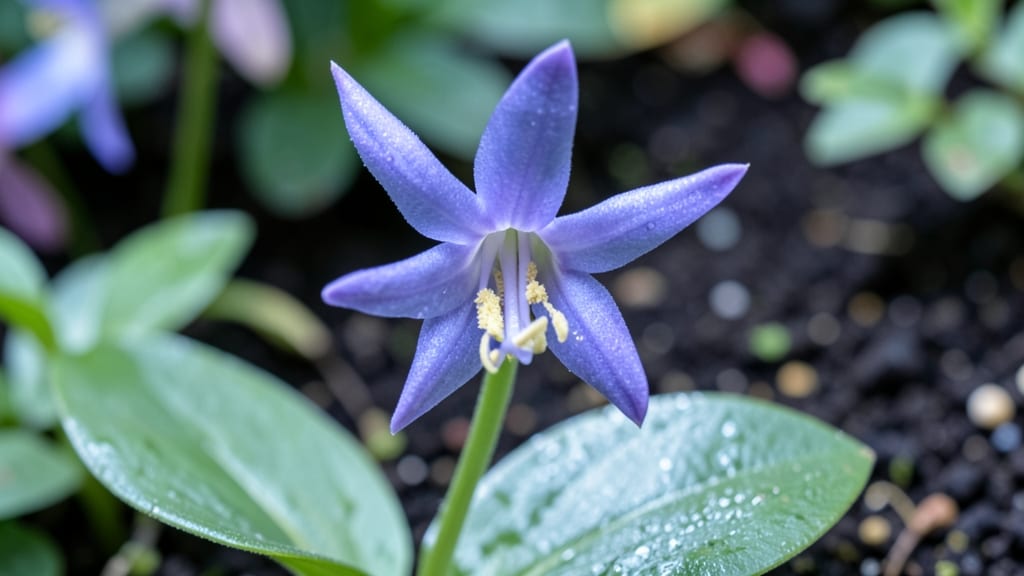
Wasps hate these flowers more than they hate your picnic blanket. 🌿 I’ve learned the hard way—after losing a summer of peace on the patio—that planting the right blooms can keep these striped troublemakers buzzing elsewhere.
The secret lies in flowers that disrupt their scent trails or mask the smells that attract them in the first place.
Marigolds, lavender, and geraniums top the list of wasp-repelling superstars. These plants release compounds that confuse wasps’ foraging instincts, while also attracting beneficial predators like ladybugs and lacewings.
The best part? They’re easy to grow—just tuck them near seating areas, entryways, or alongside other plants wasps target, like fruit trees or sweet-smelling flowers.
You’ll notice fewer wasps within weeks, especially if you combine these flowers with a little strategic placement. Cluster them in pots near patios or along garden edges where wasps tend to patrol. Just avoid sweet-smelling blooms like roses or jasmine—they’re wasp magnets in disguise.
For extra protection, add mint or basil near high-traffic zones, but contain them in pots (they spread aggressively). The key is creating a scent barrier wasps can’t ignore. With the right mix, your garden stays fragrant—and your summer stays sting-free.
📚 In This Guide
- What you need
- Instructions
- Tips and common mistakes
- Wrapping up and next steps
What you need
- ● Wasps-deterring flowers: 5–10 plants of marigolds (especially French marigolds), lavender, geraniums, basil, lemongrass, or rosemary (check local climate suitability).
- ● Potting soil: 2–3 bags of high-quality, well-draining potting mix (10–15 cubic feet, depending on garden size).
- ● Containers or garden bed space: 5–10 small pots (6–8 inches in diameter) for herbs or marigolds, or
- ● A dedicated garden bed (at least 3’x3’ for optimal airflow and pest deterrence).
- ● Organic mulch: 1–2 bags of shredded bark, straw, or pine needles (to retain moisture and suppress weeds).
- ● Watering can or hose: With a gentle spray nozzle for even watering.
- ● Garden gloves (to protect hands from thorns or soil).
- ● Pruning shears (for trimming dead foliage or shaping plants).
- ● pH testing kit (to ensure soil is slightly acidic to neutral, ideal for most wasp-repelling plants).
- ● Compost or fertilizer (balanced 10-10-10 or organic options like worm castings).
- ○ Pest control spray (natural): Optional—neem oil or insecticidal soap for stubborn pests (use sparingly!).
Step-by-step guide to planting wasp-repelling flowers
Here's how to create a wasp-free garden using nature's most effective blooms.
🌱 Step 1: Select the Right Wasp-Deterring Flowers
Start with these proven varieties that naturally repel wasps: marigolds, geraniums, lavender, and basil. Marigolds release a strong scent that confuses wasps, while geraniums contain citronella compounds. Lavender's calming fragrance masks pheromones that attract them, and basil's anise-like aroma creates a chemical barrier.
I always plant at least 3-4 plants of each type to create a strong scent barrier. Place them near seating areas, pathways, or garden edges where wasps typically gather. The more concentrated the planting, the more effective the repellent effect will be.
For maximum impact, interplant these with other wasp-repelling herbs like mint, rosemary, and lemon balm. These create a multi-layered scent defense that wasps find overwhelming. Just avoid planting near hives—this will provoke rather than deter them.
🪴 Step 2: Prepare Planting Sites Strategically
Choose locations with full sun exposure (6+ hours daily) for most wasp-repelling plants. Marigolds and geraniums thrive in well-draining soil with a pH between 6.0-7.0. Lavender prefers slightly alkaline soil (7.0-8.0) and benefits from sandy, gritty mixes to prevent root rot.
Here's the thing—wasps target areas with standing water or food sources. Plant your repellent flowers near patio areas, grill stations, or trash bins where wasps are most active. I like to create a 10-foot perimeter around these zones with dense plantings.
If your garden has shaded spots, opt for basil and mint, which tolerate partial shade better than sun-loving varieties. These will still deter wasps while adding useful culinary benefits to your garden.
☀️ Step 3: Plant and Maintain for Maximum Effect
Space plants 12-18 inches apart to allow airflow and prevent fungal diseases that attract wasps. Water deeply once weekly (more in extreme heat) at the soil base to avoid wetting foliage, which can attract pests. I always water in the early morning to let plants dry completely by evening.
Fertilize lightly with balanced organic fertilizer (10-10-10) every 4-6 weeks during growing season. Over-fertilizing produces lush foliage that can actually attract more insects. The goal is healthy plants that produce strong natural repellent compounds.
Watch for first true leaves appearing within 3-4 weeks after planting. Once established, these plants will continuously emit their wasp-repelling scents. Regularly deadhead spent blooms to encourage continuous flowering and scent production.
✂️ Step 4: Enhance Repellent Effects Year-Round
In late summer, prune back leggy growth by one-third to encourage bushier, more aromatic plants. This also prevents wasps from nesting in tall, unruly stems. I always use clean, sharp shears to avoid damaging plant tissue.
For winter protection, mulch lavender and geraniums with 2-3 inches of straw mulch to insulate roots. Most wasp-repelling plants are perennial and will regrow each spring, maintaining their protective scent barrier.
Here's a pro tip: Crush fresh basil leaves occasionally and rub them on garden furniture or patio umbrellas. The released oils create an instant wasp-repelling barrier that lasts for hours. Combine this with your planted flowers for a multi-sensory defense system.
Tips & tricks for creating an effective wasp-repelling garden
These practical strategies will help you maximize your garden's pest-deterring power while avoiding common planting pitfalls.
Plant Placement Strategy: Position your wasp-repelling flowers within a 10-foot perimeter around high-risk areas like patios, grills, and trash bins—exactly as mentioned in Step 2. I've found that creating a dense border with at least 3-4 plants of each type (marigolds, geraniums, lavender, and basil) forms an impenetrable scent barrier. The key is consistency: wasps won't cross this aromatic boundary if it's dense enough. For extra protection, interplant with mint, rosemary, and lemon balm—their layered scents create confusion for wasps.
Soil Science Matters: Pay special attention to soil pH when planting lavender—it thrives in slightly alkaline soil (7.0-8.0) with sandy mixes to prevent root rot. For marigolds and geraniums, maintain well-draining soil with pH 6.0-7.0. I always test my garden soil before planting; the right pH ensures optimal scent production from these repellent plants. Pro tip: Mix in compost to improve drainage while maintaining the correct pH range.
Pruning for Maximum Impact: In late summer, prune back leggy growth by one-third to encourage bushier plants that produce more aromatic foliage. This simple step prevents wasps from nesting in tall stems while boosting scent production. Always use clean, sharp shears to avoid damaging plant tissue—dull blades create jagged cuts that invite disease. I prune in the morning when plants are dry, allowing any cuts to heal quickly during the day.
Seasonal Maintenance: Mulch lavender and geraniums with 2-3 inches of straw mulch before winter to protect their roots. This insulation maintains their perennial nature, ensuring they regrow each spring with full wasp-repelling power. Don't forget to crush fresh basil leaves occasionally and rub them on garden furniture—the released oils create an instant protective barrier that lasts hours. This multi-sensory approach combines planted flowers with direct scent application for comprehensive wasp control.
Pro Tips for What Flowers Do Wasps Hate
- These practical strategies will help you maximize your garden's pest-deterring power while avoiding common planting pitfalls.
- Plant Placement Strategy: Position your wasp-repelling flowers within a 10-foot perimeter around high-risk areas like patios, grills, and trash bins—exactly as mentioned in Step 2.
- Soil Science Matters: Pay special attention to soil pH when planting lavender—it thrives in slightly alkaline soil (7.0-8.0) with sandy mixes to prevent root rot.
Frequently asked questions
Got questions about keeping wasps away with flowers?
You’re not alone! Here are some of the most common queries—and their answers—to help you create a wasp-free garden oasis.
Which flowers are the most effective at repelling wasps?
Wasps dislike strong scents like geraniums, marigolds, and lavender. These blooms disrupt their ability to locate food sources, making them ideal for borders or near seating areas. Basil and mint also work well as companion plants.
How long does it take for these flowers to start deterring wasps?
Most flowers begin repelling wasps within 2–4 weeks of planting, once they’re established and emitting their signature scents. For faster results, combine flowers with other deterrents like peppermint oil or citrus peels.
Can I plant these flowers near my veggie garden without issues?
Flowers like basil and marigolds are safe for veggie gardens—they repel pests and improve soil health. Avoid lavender near root crops (like carrots) if you’re concerned about its strong scent interfering with growth.
What if wasps still bother me after planting these flowers?
Try layering defenses: Add wasps’ natural predators (like ladybugs), use yellow traps (wasps are attracted to the color), or place citrus slices near problem areas. If nests appear, relocate them at night with protective gear.
Are there any flowers wasps actually love that I should avoid?
Wasps are drawn to sweetly scented flowers like dandelions, honeysuckle, and roses. If you’re battling wasps, keep these blooms far from high-traffic areas or dining spaces. Opt for herbaceous perennials instead!
Wrapping up and next steps
Discovering which flowers wasps hate is a game-changer for any gardener! 🌸 From marigolds to geraniums, nature offers plenty of pest-repelling blooms to keep your outdoor space buzz-free while adding beauty. The key is to plant strategically—mix these wasp-deterring flowers with your favorite plants for a thriving, harmonious garden.
Ready to transform your garden? Start small—try planting a few of these wasp-resistant flowers in pots or along pathways. Next, experiment with companion planting to see which combinations work best in your climate. Happy gardening! 🌿