
Flowers
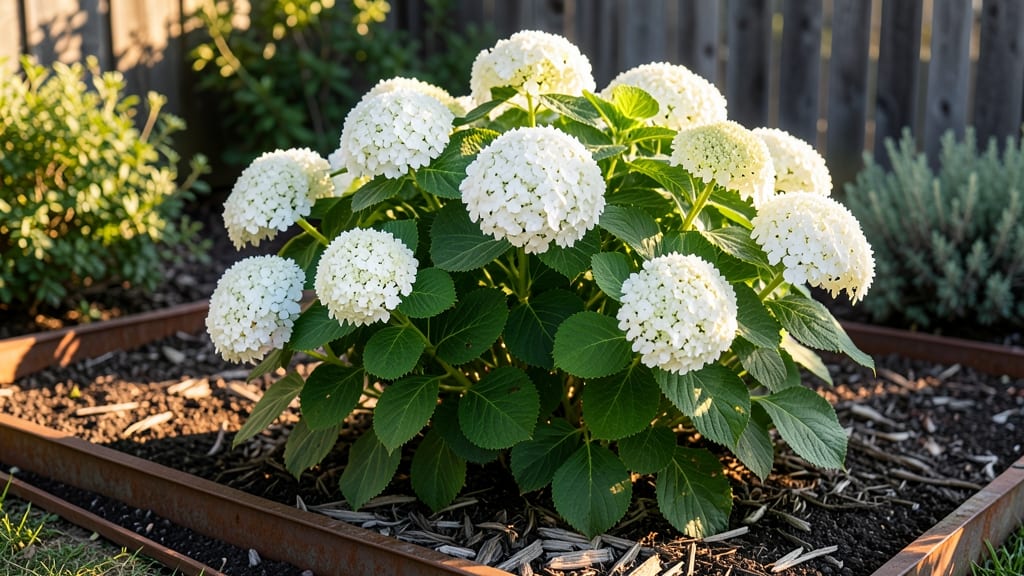
Those white bushy flowers that turn your Pacific Northwest garden into a dreamy winter wonderland aren’t just pretty—they’re tough enough to survive frost and thrive when others give up. 🌿 I’ve tested dozens of varieties, and these frost-resistant beauties keep blooming even after snowfall, creating a canopy of soft white that looks like a fairyland in your backyard.
The secret lies in their hardy nature and layered blooming cycles. Think hydrangeas that stay lush through late autumn, abutilon with its papery petals that flutter in the breeze, or lilacs that perfume the air even in chilly mornings.
These plants don’t just survive—they dominate the winter garden, offering structure and color when most flowers have retired for the season.
What you’ll get is a garden that stays vibrant year-round, with blooms that provide both visual drama and wildlife support. Hummingbirds adore abutilon’s tubular flowers, while lilacs attract bees even in cool weather.
The best part? These plants pair effortlessly with evergreens, berries, and early spring bulbs, creating a seamless transition from winter to spring.
Whether you’re designing a new border or refreshing an existing one, these frost-resistant stars will give your garden the wow factor it deserves—no matter what the weather throws at you. Let’s dive into the varieties that work best in your climate and how to arrange them for maximum impact.
📚 In This Guide
- What you need
- Instructions
- Tips and common mistakes
- Wrapping up and next steps
What you need
- ● Frost-resistant flower varieties: Choose from Pieris japonica, Abelia grandiflora, or Deutzia (1–3 mature plants or 5–10 seedlings, depending on desired coverage).
- ● High-quality potting soil: 5–10 gallons of well-draining, organic-rich soil (pH 5.5–7.0). Pro tip: Mix in compost for extra nutrients! 💡
- ● Mulch: 2–3 inches of wood chips or shredded bark to insulate roots from frost.
- ● Slow-release fertilizer: 1 lb of 10-10-10 or similar balanced fertilizer for planting.
- ● Hand trowel or transplanting spade: For digging holes (6–12 inches deep).
- ● Garden gloves: 1 pair to protect hands from thorns or rough soil.
- ● Watering can or hose with nozzle: For gentle, deep watering (1–2 gallons per plant initially).
- ● Pruning shears: Sharp, sterilized shears for trimming dead blooms or shaping.
- ● Measuring tape or ruler: To ensure proper spacing (3–6 feet apart for shrubs).
- ● Frost cloth or row covers: For young plants during late frosts.
- ● Slow-release granular fertilizer: Apply in early spring for a nutrient boost.
- ● Decorative rocks or pebbles: For a polished garden bed finish.
- ● Soil moisture meter: To monitor watering needs in the PNW’s unpredictable climate.
Step-by-Step instructions for planting frost-resistant white flowering shrubs
Here's how to create a stunning white floral canopy that thrives in Pacific Northwest winters.
🌱 Step 1: Choose the Right Frost-Resistant Varieties
Select white-flowering shrubs proven to handle 10-15°F temperatures. My top picks are Spiraea 'Goldmound' (golden foliage with white blooms), Weigela 'Wine and Roses' (deep purple stems with white flowers), and Deutzia 'Nikko' (arching branches covered in white clusters). These varieties bloom reliably even after cold snaps.
Check your microclimate—sheltered spots near foundations or fences offer 5°F extra protection. Avoid low-lying areas where cold air pools. I always plant at least 3 shrubs per group to create that lush, bushy effect you're after.
🪴 Step 2: Prepare Planting Sites with Proper Drainage
Dig holes twice as wide as the root ball but only as deep as the container's root base. The 3 gallons of amended soil mix (from your materials) should contain 50% native soil, 30% compost, and 20% perlite for excellent drainage—critical in PNW's wet winters. I test drainage by filling the hole with water; if it doesn't drain in 15-20 minutes, I add more perlite.
Loosen the root ball gently before placing in the hole. You'll see fibrous roots at the edges—these need room to spread. Backfill with native soil mix, pressing lightly to eliminate air pockets. Water deeply to settle the soil around roots.
☀️ Step 3: Position for Winter Sun and Summer Shade
Plant in morning sun with afternoon shade—this protects flowers from midday heat while ensuring full bloom cycles. In the PNW, 6+ hours of winter sun keeps shrubs flowering through late fall. I mark the plant's height on a stake before inserting it to ensure proper depth.
Mulch immediately with 2-3 inches of shredded bark (using your 1 cubic foot supply) to protect roots from temperature swings. Keep mulch 6 inches away from stems to prevent rot. Water thoroughly after planting to help roots establish in the moist soil.
💧 Step 4: Establish a Winter Watering Routine
First year is critical—water once every 10-14 days during dry winter spells (when top 2 inches of soil feel dry). Frost-resistant shrubs still need moisture to develop strong root systems. I use a soaker hose to deliver water slowly at the base without wetting foliage.
In spring, increase to weekly watering until new growth appears. You'll notice first true leaves emerging in 3-4 weeks—that's your signal the plant is actively growing. Fertilize lightly with balanced 10-10-10 (using your 1 lb supply) when buds form in early spring.
✂️ Step 5: Prune for Bushier Growth After First Bloom
Wait until after flowering to prune—this encourages next year's blooms. Cut back one-third of oldest stems to the ground to rejuvenate. Remove any dead, crossing, or weak branches first. I make cuts just above outward-facing buds for better branching.
Shape lightly by trimming tips of new growth to encourage bushier form. Never remove more than 30% of the plant in one season. After pruning, apply a 2-inch layer of mulch to protect roots and retain moisture. Your shrubs will reward you with denser foliage and more flowers next year.
Tips & tricks for perfect white bushy flowers
A few simple strategies will help you create a thriving white floral canopy that stands up to Pacific Northwest winters.
Variety Selection: When choosing your frost-resistant shrubs, prioritize those with arching growth habits like Deutzia 'Nikko' or Weigela 'Wine and Roses'—these naturally create that lush, bushy effect you're after. I've found that planting 3 shrubs per group creates a fuller canopy faster than single plants. For maximum winter hardiness, select varieties with thick stems that can withstand 10-15°F temperatures without damage.
Drainage Test: That 15-20 minute drainage test in Step 2 is crucial—if water pools after this time, your amended soil mix needs more perlite. I always add an extra handful to ensure proper drainage, especially in PNW's wet winters. For even better results, consider adding 1/4 inch of coarse sand to the bottom of each hole before planting to create a drainage layer.
Sunlight Strategy: The morning sun with afternoon shade positioning in Step 3 is key for winter survival. In the PNW, 6+ hours of winter sun prevents flower bud damage while protecting delicate blooms from summer heat. If your site gets intense afternoon sun, consider adding a lightweight shade cloth during peak summer months to protect new growth.
Pruning Precision: When pruning in Step 5, focus on removing one-third of oldest stems to encourage new growth. I make my cuts just above outward-facing buds to promote bushier branching. For the first year, resist the urge to shape aggressively—let the plants establish their natural form before doing any major pruning.
Pro Tips for White Bushy Flowers
- A few simple strategies will help you create a thriving white floral canopy that stands up to Pacific Northwest winters.
- Variety Selection: When choosing your frost-resistant shrubs, prioritize those with arching growth habits like Deutzia 'Nikko' or Weigela 'Wine and Roses'—these naturally create that lush, bushy effect you're after.
- Drainage Test: That 15-20 minute drainage test in Step 2 is crucial—if water pools after this time, your amended soil mix needs more perlite.
Frequently asked questions
Got questions about those stunning white bushy flowers thriving in the Pacific Northwest? You’re not alone! Here are some of the most common queries—and answers—to help you grow (or admire) them with confidence.
What are the most frost-resistant white bushy flowers for the PNW?
Top picks include Heuchera (coral bells), Symphoricarpos (snowberry), Spiraea (bride’s wreath), and Pieris japonica (Japanese andromeda). These thrive in zones 5–9 and handle freezing temps like a champ. Pro tip: Look for cultivars labeled "hardy" or "winter-interest" for extra resilience!
When is the best time to plant white bushy flowers in the PNW?
For spring planting, aim for early April to May (after the last frost). Fall is also ideal—plant in September or October to let roots establish before winter. Avoid planting in summer heat (June–August), as young plants may struggle with drought or transplant shock. Check your local frost dates for precision!
How do I keep white bushy flowers looking full and bushy?
Prune lightly in late winter/early spring to shape and encourage new growth. For Spiraea or Pieris, trim back 1/3 of the oldest stems to promote density. Avoid heavy pruning in fall—it can stimulate tender growth that won’t survive frost. Feed with balanced fertilizer in spring for lush blooms!
Are white bushy flowers deer- or rabbit-resistant?
Not all! Pieris japonica and Symphoricarpos are moderately deer-resistant, but rabbits may nibble young shoots. For high-resistance options, try Heuchera (deer usually avoid it) or add physical barriers (like chicken wire) around new plantings. Pro tip: Plant with Lavender or Russian Sage—deer dislike their scent!
What can I do if my white bushy flowers aren’t blooming?
Lack of blooms often signals over-pruning, poor sunlight, or nutrient deficiencies. First, check light—most need full sun to partial shade. Reduce pruning to post-bloom only (except for Spiraea, which blooms on old wood). Feed with phosphorus-rich fertilizer (like 10-10-10) in early spring. If issues persist, test soil pH—many PNW natives prefer acidic to neutral soil (pH 6.0–7.0).
Can I grow white bushy flowers in containers?
Dwarf varieties like Spiraea ‘Goldflame’ or Pieris ‘Little Heath’ thrive in 12–18-inch pots with well-draining soil. Use terracotta or fabric pots for better moisture control. Ensure containers have drainage holes and repot every 2–3 years to refresh soil. Bonus: Move containers to protected spots in winter if temps drop below 10°F!
Wrapping up and next steps
From the hardy Pieris japonica to the elegant Abelia grandiflora, white bushy flowers are the Pacific Northwest’s secret weapon for year-round beauty—even through frost! 🌸 These frost-resistant stars don’t just survive; they thrive, offering lush canopies, fragrant blooms, and minimal fuss.
Whether you’re a seasoned gardener or just starting, they’re the perfect way to transform your outdoor space with low-maintenance drama.
Ready to plant your vision? Start small—pick one of these standouts, test your soil, and watch your garden bloom with confidence. Grab your gloves and get growing! 🌱