
Trees
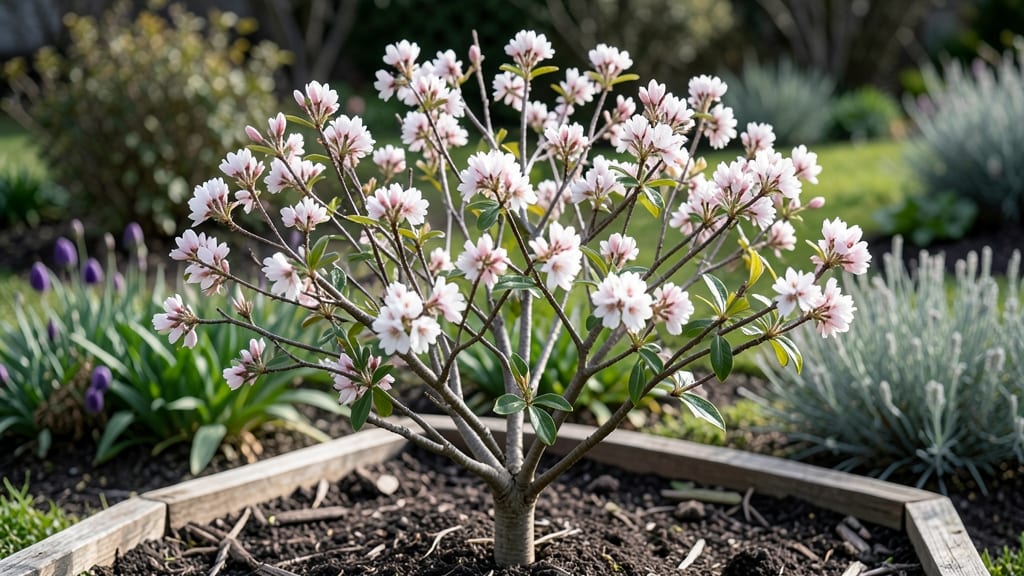
A white flowering almond tree turns your yard into a fragrant paradise even when winter still lingers. 🌸 I planted mine in zone 5 last spring, and by early May, the branches were heavy with delicate blossoms that smell like spring itself.
This isn't just a pretty tree—it's a hardy survivor that thrives where many spring bloomers would freeze.
The secret to success starts with the right variety like Prunus glandulosa 'Alba', which handles cold snaps down to -20°F. You'll need well-draining soil and full sun (at least 6 hours daily), but the tree's shallow roots make it perfect for smaller yards or container growing.
Most nurseries carry bare-root saplings in early spring—just plant them before buds break for the best establishment.
What you get is a 10-15 foot tree covered in snowy white flowers that last 2-3 weeks, followed by edible (but bitter) almonds. The fragrance alone makes it worth growing—imagine walking past and catching that sweet, almond-like scent on a chilly morning.
Prune lightly after flowering to maintain shape, and you'll have decades of blooms with minimal effort.
Works beautifully as a specimen tree, small orchard addition, or even in large containers. The only real mistake beginners make is planting too deep—keep the graft union visible. For cold climates, this is the ultimate early-season showstopper that doesn't require babying.
📚 In This Guide
- What you need
- Instructions
- Tips and common mistakes
- Wrapping up and next steps
What you need
- ● White flowering almond tree (Prunus glandulosa or Prunus fernicoides): 1–3 plants (depending on desired spacing—10–15 feet apart for mature trees)
- ○ Optional: Grafted varieties for more vibrant blooms
- ● Well-draining soil (sandy loam ideal): pH 6.0–7.5 (test kit recommended)
- ● Amend with compost (1–2 bags per planting hole)
- ● Fertilizer: Balanced 10-10-10 (1–2 lbs per tree at planting)
- ○ Optional: Slow-release osmocote for year-round nutrients
- ● Shovel or trenching spade (for digging)
- ● Garden gloves (to protect hands)
- ● Watering can or hose (with gentle spray nozzle)
- ● Mulch (2–3 inches of wood chips or pine straw)
- ○ Optional: Tree stake & ties (if planting in windy areas)
- ○ Optional: Soil moisture meter (for drought-prone climates)
- ● Sunlight: Full sun (6+ hours daily)
- ● Climate: Hardy to USDA Zones 4–8 (cold-hardy down to -20°F/-29°C)
- ● Water access: Drip irrigation or deep watering 2–3x/week (first year critical!)
- ● Patience: 3–5 years for full blooms (but worth the wait!)
Step-by-step guide to planting and caring for a white flowering almond tree
This fragrant beauty brings spring's sweetest scent to cold climates—here's how to grow it successfully.
🌱 Step 1: Choose the Perfect Planting Site
White flowering almond trees thrive in full sun—pick a spot that gets at least 6 hours of direct sunlight daily. They tolerate cold winters down to -15°F, making them perfect for USDA zones 5-8. Avoid low-lying areas where cold air settles, as this can damage young trees.
Here's the thing—this tree's roots spread wide, so give it 20 feet of space in all directions. If planting near a fence or wall, ensure it won't be cramped later. The soil should drain well; if your yard has heavy clay, amend it with 2-3 inches of compost mixed into the top 12 inches of soil.
🪴 Step 2: Plant Your Tree at the Right Time and Depth
Plant in early spring, just as buds begin to swell, or in early fall when temperatures drop below 70°F. Dig a hole twice as wide as the root ball but no deeper—this prevents water from pooling around the roots. Gently loosen the roots if they're circling or bound.
Place the tree so the top of the root ball sits level with the ground. Backfill with native soil, tamping lightly as you go to remove air pockets. Water deeply to settle the soil, then add a 3-inch layer of mulch (like wood chips) around the base, keeping it 6 inches away from the trunk. This conserves moisture and regulates soil temperature.
☀️ Step 3: Water and Fertilize for Strong Early Growth
Water deeply once a week for the first two months, soaking the soil to a depth of 12 inches. You'll know it's enough when water runs out the drainage holes if planted in a container, or when the top 6 inches of soil feel moist. Overwatering suffocates roots, so let the top 2 inches dry out between waterings after the initial phase.
In early spring, apply a balanced 10-10-10 fertilizer (using the amount recommended on the package) to encourage blooms. Scatter the granules 6 inches from the trunk and water them in. Skip fertilizer in the fall—this tree stores energy for winter dormancy. Watch for pale yellow leaves as a sign of over-fertilizing; if you see this, flush the soil with extra water.
✂️ Step 4: Prune for Shape and Health
Prune in late winter or early spring before new growth begins. Remove dead, diseased, or crossing branches first—they compete for energy and invite pests. Cut just outside the branch collar (the swollen area where the branch meets the trunk) to prevent damage to the tree.
Thin out overcrowded branches to improve airflow, aiming for an open, vase-like shape. You'll see stronger blooms and fewer pests when the canopy isn't too dense. Avoid heavy pruning—never remove more than 25% of the tree's foliage in one season. If you notice small, brown spots on leaves, prune those branches immediately to stop the spread.
⏰ Step 5: Protect and Maintain Through the Seasons
In late fall, wrap the trunk of young trees with tree guard or burlap to protect against voles and rabbits. Older trees handle cold well, but young bark is tender. Mulch again in late autumn to insulate roots. By early spring, remove the wrap so the tree can breathe and new growth can emerge.
Watch for aphids or spider mites on new leaves—spray with neem oil if you spot sticky residue (aphids) or fine webbing. This tree's fragrance usually deters pests, but stress (like drought) makes it vulnerable. You'll know your tree is happy when it produces abundant white blossoms in early spring, followed by edible almonds in late summer. That's your reward for patience!
Tips & tricks for perfect white flowering almond trees
These simple tricks will help your fragrant tree thrive for years to come—no green thumb required!
Sunlight Secret: That 6 hours of direct sunlight is non-negotiable, but here's what nobody tells you—morning sun is more valuable than afternoon. East-facing spots get gentle morning light without the intense afternoon heat that can stress young roots. If your yard has afternoon shade, position the tree where it gets sun from 9 AM to 3 PM instead.
Planting Precision: When digging that hole twice as wide as the root ball, use the removed soil to create a small mound in the center. This helps position the root ball perfectly at ground level without digging deeper than necessary. The 3-inch mulch layer should be your guide—it's not just decoration! This thickness insulates roots while preventing soil compaction from heavy rain.
Watering Wisdom: The 12-inch deep soaking for the first two months might seem excessive, but here's the thing—you're not just watering the roots, you're establishing a moisture reservoir. Use a soil probe or long screwdriver to check depth after watering. If it comes out clean (no moisture), you need to water again. This prevents shallow root systems that can't handle drought.
Fertilizer Timing: That 10-10-10 fertilizer in early spring is your tree's wake-up call, but timing matters more than you'd think. Apply it when you see the first signs of bud swell—not when buds are fully open. This gives the tree energy to support blooms before the flowers even appear. And that 6-inch distance from the trunk? It prevents fertilizer burn on tender bark.
Pro Tips for White Flowering Almond
- These simple tricks will help your fragrant tree thrive for years to come—no green thumb required!
- Sunlight Secret: That 6 hours of direct sunlight is non-negotiable, but here's what nobody tells you—morning sun is more valuable than afternoon.
- Planting Precision: When digging that hole twice as wide as the root ball, use the removed soil to create a small mound in the center.
Frequently asked questions
How cold can a white flowering almond tree tolerate?
A Prunus glandulosa (white flowering almond) thrives in USDA Zones 4-8, handling temperatures as low as -20°F (-29°C) once established. Young trees may need winter protection (like mulch or burlap wraps) in extreme cold. Plant in full sun for best hardiness!
When is the best time to plant a white flowering almond tree?
Plant in early spring or fall (4-6 weeks before frost) for optimal root establishment. Avoid planting in summer heat or winter, as stress can hinder growth. Amend soil with compost and water deeply after planting to encourage strong roots.
Why aren’t my white almond flowers blooming?
Common causes include young age (trees often bloom at 3-5 years), poor sunlight, or over-fertilizing with nitrogen (which promotes foliage over flowers). Ensure 6+ hours of sun daily and use a balanced fertilizer (10-10-10) in early spring.
Can I grow white flowering almond in a container?
Yes! Choose a large pot (20+ gallons) with drainage holes and use a well-draining potting mix. Move containers indoors or to a sheltered spot in winter (below 20°F/-7°C). Prune roots annually to prevent overcrowding and fertilize lightly in spring.
Are white flowering almond trees deer-resistant?
While not fully deer-proof, their bitter leaves and strong scent often deter browsing. Young trees are more vulnerable—consider deer repellent sprays or fencing in high-traffic areas. Mature trees (5+ years) are usually left alone!
Pro Tip:
For extra fragrance, plant near seating areas or pathways. Pair with dwarf lilacs or mock orange for a low-maintenance, pollinator-friendly garden combo!
Wrapping up and next steps
The white flowering almond tree is a stunning, low-maintenance addition that brings beauty and fragrance to cold climates—perfect for gardeners who love resilience and charm. 🌸 Whether you’re drawn to its delicate blooms, edible nuts, or hardy nature, this tree rewards patience with years of elegance.
Ready to transform your outdoor space? Start by selecting the right variety, preparing your soil, and planting with care—then sit back and enjoy the show!
- Next step: Explore planting guides or connect with local nurseries to find your perfect sapling.
- Pro tip: Mark your calendar for late winter—ideal timing for planting!