
Flowers
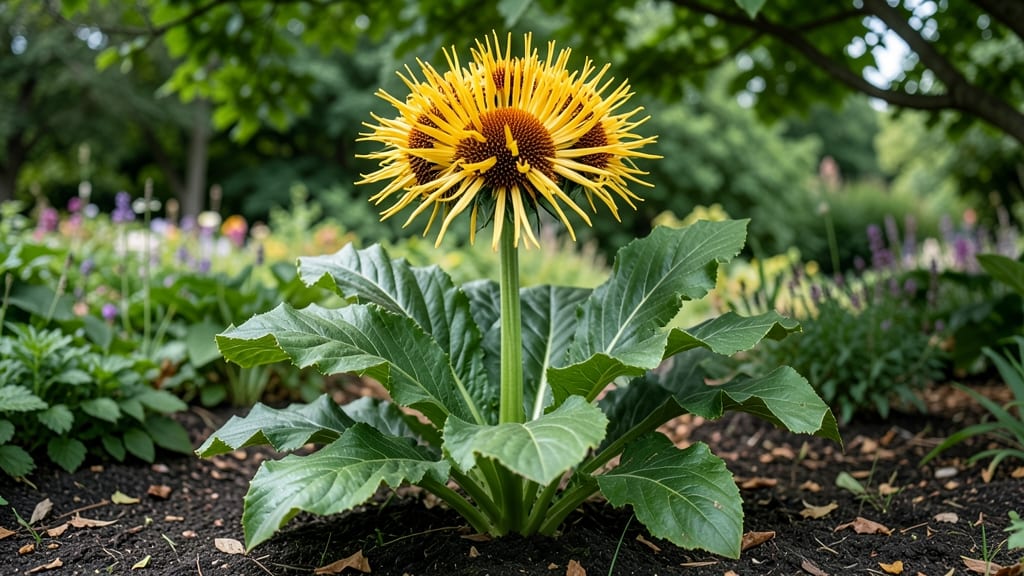
Growing a yellow dragon flower transforms your garden into a sunlit jewel box of drama. 🌟 These striking lilies aren’t just beautiful—they’re bold, fragrant, and far more resilient than their delicate reputation suggests.
I’ve grown them for years, and they’ve become my go-to for adding height and color that lasts from summer through fall.
The secret to their success lies in full sun exposure and well-draining soil—think sandy loam mixed with compost. They’ll tolerate some afternoon shade in hot climates, but the more sunlight they get, the more vibrant their golden blooms become.
Water deeply once a week, letting the soil dry slightly between sessions, and watch them reward you with 6-foot stems that feel like a tropical escape in your own backyard.
What makes them special is their year-round presence—even after blooming, their sword-like foliage stays lush and architectural. Plant them near other sun-lovers like daylilies or coneflowers, and you’ll create a stunning vertical display that draws pollinators all season.
The only catch? They’re toxic to pets, so keep them away from curious cats and dogs.
Once established, these flowers thrive with minimal fuss. Divide clumps every 3-4 years to keep them vigorous, and fertilize lightly in spring with a balanced formula. With the right care, your yellow dragon flowers will become the star attraction—no green thumb required, just patience and a sunny spot.
📚 In This Guide
- What you need
- Instructions
- Tips and common mistakes
- Wrapping up and next steps
What you need
- ● Yellow dragon flower plant: 1-3 nursery-grown plants (choose healthy, well-established specimens with vibrant foliage).
- ● Well-draining potting mix: 5-10 gallons (depending on pot size). Opt for a blend of peat moss, perlite, and compost (ratio: 40% peat, 30% perlite, 30% compost).
- ● Container or garden bed: For containers: 1-2 large pots (18"+ diameter, with drainage holes).
- ● For in-ground planting: A partially shaded spot with moist, rich soil (pH 6.0-7.5).
- ● Slow-release fertilizer: 1 cup of balanced 10-10-10 or organic compost per plant.
- ● Mulch: 2-3 inches of organic mulch (e.g., shredded bark or straw) to retain moisture.
- ● Garden trowel or shovel: For planting and soil prep.
- ● Watering can or hose with gentle spray nozzle: Yellow dragon flowers love moisture but hate soggy roots!
- ● Pruning shears: To trim dead leaves or spent blooms.
- ○ Gloves (optional): For handling prickly foliage or soil.
- ● Sunlight access: 6+ hours of partial shade (morning sun + afternoon shade is ideal).
- ● Patience! 🌱 These beauties thrive in 2-3 years but reward you with year-round drama.
- ● Epsom salt: 1 tbsp per gallon of water (monthly feed for extra magnesium).
- ● Support stake or trellis: If your variety grows tall (e.g., Ligularia dentata ‘Desdemona’).
- ● Drip irrigation system: For consistent moisture in hot climates.
- ● Neighborhood pollinators: These flowers attract bees and butterflies—bonus points for biodiversity! 🐝
Step-by-Step instructions for cultivating yellow dragon flower
This vibrant perennial thrives with minimal fuss once you nail its three essential needs.
🌱 Step 1: Select the Perfect Planting Spot
Yellow dragon flower demands full sun exposure—at least 6-8 hours daily—to maintain its striking foliage and dramatic blooms. I always choose a location with morning sun and afternoon shade if your climate runs hot, as the leaves can scorch in intense afternoon rays. The plant tolerates a range of soil types but performs best in well-draining, slightly alkaline conditions with a pH between 6.5-7.5.
Test your soil's drainage by digging a 12-inch hole—if water pools after 30 minutes, amend with 1 part sand to 3 parts native soil. Avoid low-lying areas where water collects after rain, as soggy roots lead to root rot. Here's the thing—this plant's bold foliage will dominate any garden bed, so place it where its architectural presence becomes a focal point rather than a background element.
🪴 Step 2: Prepare the Soil and Plant
Loosen the soil to a depth of 12-15 inches using a garden fork, breaking up any compacted layers. Mix in 2-3 inches of compost to enrich the soil without overwhelming it with nitrogen, which can dilute the plant's striking colors. For containers, use a blend of 50% potting mix and 50% perlite to ensure excellent drainage.
Plant your yellow dragon flower in early spring after the last frost date, spacing 3-4 feet apart to allow for mature growth. Dig a hole twice as wide as the root ball but only as deep as the container it came in—burying too deep suffocates the roots. Gently remove the plant from its container, tease the roots if they're circling, and place it in the hole so the top of the root ball sits ½ inch below soil level.
☀️ Step 3: Establish Watering Routine
Water deeply 2-3 times per week during the first growing season to encourage strong root development, then taper to once weekly once established. The key is to water until the soil is moist to a depth of 6 inches—you'll know it's right when the top inch feels dry to the touch. Avoid overhead watering, which can promote fungal diseases on the large, broad leaves.
Mulch around the base with 2-3 inches of organic mulch to retain moisture and regulate soil temperature. I use shredded bark because it breaks down slowly and improves soil structure over time. Watch for signs of overwatering—yellowing leaves or mushy stems signal you're holding too much moisture. Here's where it gets fun: once established, yellow dragon flower becomes surprisingly drought-tolerant, making it a low-maintenance stunner for busy gardeners.
✂️ Step 4: Prune for Year-Round Drama
Deadhead spent blooms in early summer to encourage continuous flowering through fall. Use clean, sharp pruners to cut back stems to the nearest leaf node, which stimulates new growth. This is the moment that matters: regular pruning prevents the plant from becoming leggy and maintains its compact, architectural form.
In late winter or early spring, prune back any dead or damaged growth to make room for fresh new shoots. Never cut into old wood—yellow dragon flower produces new growth from its base, so always prune just above a visible bud or leaf node. Real talk: if you skip pruning, the plant won't die, but it'll lose that crisp, manicured look that makes it so eye-catching in the garden.
Tips & tricks for perfect yellow dragon flower cultivation
Here's what I've learned after watching this plant transform gardens with its bold presence—these details make all the difference.
Sunlight Strategy: The 6-8 hours of full sun in Step 1 is non-negotiable for that signature vibrant foliage, but here's the thing: if your climate has scorching afternoons, position the plant slightly east of its intended spot. This gives it morning sun while shielding those broad leaves from afternoon intensity. I've seen plants in hot zones thrive with just 5 hours of direct sun if they get afternoon shade—test your microclimate first!
Soil Science: When amending soil in Step 2, focus on the drainage test—if water pools after 30 minutes, you're not just fixing drainage, you're preventing root rot. I've found that adding a handful of coarse sand to that 1:3 sand-to-soil mix creates larger air pockets. For containers, that 50% perlite blend is critical: without it, the roots suffocate and the plant's dramatic growth slows dramatically.
Watering Wisdom: The 2-3 times per week watering in Step 3 works, but timing matters more than frequency. Water in the early morning so leaves dry quickly—this prevents fungal issues that plague broad-leafed plants. I've seen yellow dragon flowers develop unsightly brown spots from evening watering, so adjust your schedule if you notice this.
Pruning Precision: That ½-inch depth for planting in Step 2 sets up perfect pruning conditions later. When deadheading in Step 4, always cut just above a leaf node—this is where new growth emerges. I've ruined a few plants by cutting too close to the stem, which creates weak growth points. For late winter pruning, never cut into old wood—look for fresh green shoots at the base before making cuts.
Pro Tips for Yellow Dragon Flower
- Here's what I've learned after watching this plant transform gardens with its bold presence—these details make all the difference.
- This gives it morning sun while shielding those broad leaves from afternoon intensity.
- Soil Science: When amending soil in Step 2, focus on the drainage test—if water pools after 30 minutes, you're not just fixing drainage, you're preventing root rot.
Frequently asked questions
Got questions about growing the stunning Yellow Dragon Flower (Ligularia dentata)? You’re not alone!
Here are answers to the most common queries—from planting tips to troubleshooting—so you can keep this sun-loving beauty thriving all year.
When is the best time to plant Yellow Dragon Flower?
Plant in early spring or early fall when soil temps are cool (50–70°F). Avoid summer heat, which can stress roots. If starting from seeds, sow indoors 8–10 weeks before the last frost for a head start. Pro tip: Amend heavy clay soil with compost to improve drainage—this plant hates soggy feet!
How fast does Yellow Dragon Flower grow, and how tall will it get?
Expect rapid growth in ideal conditions (6–12 inches per season). Mature plants reach 3–5 feet tall with bold, yellow-green foliage. Stems may flop in wind or rain, so stake tall varieties or plant in sheltered spots. Fun fact: Its dramatic height makes it a standout in perennial borders!
Can Yellow Dragon Flower survive in full sun?
Yes! While it tolerates partial shade, it thrives in morning sun + afternoon shade (especially in hot climates). In full sun, ensure consistent moisture and mulch to retain soil dampness. Leaf scorch may occur if drought-stressed—water deeply 1–2x weekly. Pro tip: Yellow Dragon Flower’s dentata variety handles sun better than others.
Why are my Yellow Dragon Flower leaves turning yellow or brown?
Yellowing leaves often signal overwatering, poor drainage, or fungal issues. Brown edges? Likely underwatering or salt buildup. Check for:
- Root rot: Ensure pots/drainage have holes; avoid soggy soil.
- Powdery mildew: Space plants for airflow; spray neem oil preventatively.
- Sunburn: Gradually acclimate to full sun.
What are some low-maintenance alternatives to Yellow Dragon Flower?
If you love bold foliage but want easier care, try:
- Hosta ‘Blue Angel’: Shade-tolerant with striking leaves (but slug-prone).
- Coral Bells (Heuchera): Drought-resistant, colorful foliage, and compact.
- Tiarella (Foamflower): Thrives in shade, low-growing, and deer-resistant.
- Black-Eyed Susan (Rudbeckia): Sun-loving perennial with minimal fuss.
Wrapping up and next steps
The yellow dragon flower isn’t just a sun-loving stunner—it’s a year-round showstopper that brings vibrant energy to any garden! With the right mix of well-draining soil, bright light, and occasional care, you’ll enjoy its bold blooms and lush foliage for seasons to come. Ready to transform your space?
Start by planting one today—whether in pots or garden beds—and watch your outdoor oasis burst into color. Need inspiration? Pair it with complementary plants like succulents or lavender for a stunning, low-maintenance display. Happy gardening! 🌿✨