
Pruning
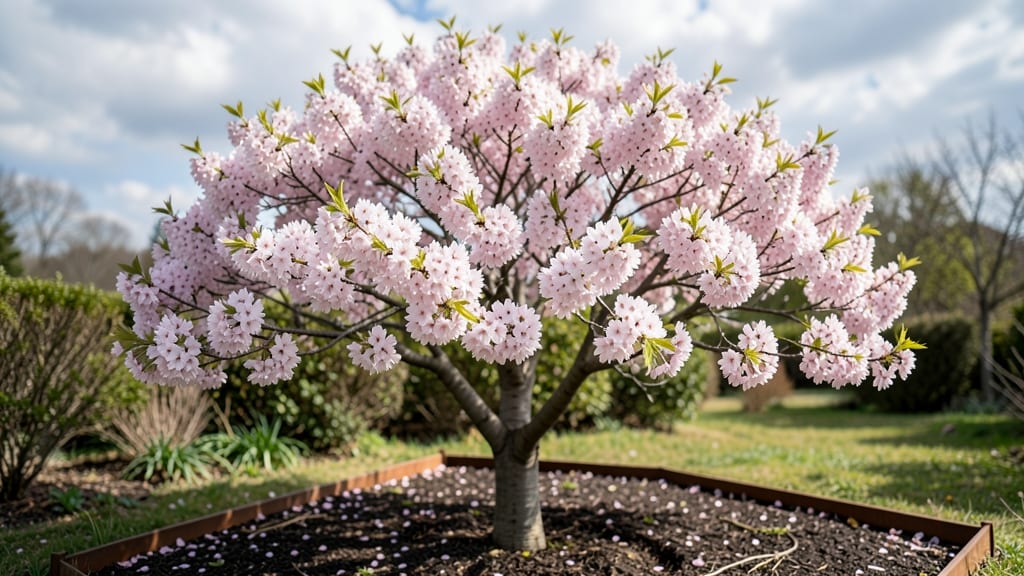
The breathtaking yoshino cherry tree flower transforms your garden into a dreamy pink cloud each spring—here’s how precise pruning keeps it stunning. ✨ The secret to keeping your Yoshino cherry tree (Prunus × yedoensis) looking like a postcard every April isn’t complicated—it’s about when and how you prune.
Most gardeners overlook the timing, and that’s what keeps their trees from putting on the spectacular show they’re capable of.
This tree thrives in zones 5-8, where it naturally blooms before the leaves appear—a breathtaking sight. The key is pruning after the flowers fade but before new growth hardens. I’ve found that a sharp bypass pruner and a sunny morning make all the difference.
You’ll remove dead wood, shape the canopy, and encourage next year’s buds to form without sacrificing this year’s display.
What you’ll end up with is a tree that bursts into hundreds of delicate pink flowers each spring, with fewer weak branches and more energy focused on blooms.
The fragrance alone makes it worth the effort—imagine standing under a canopy of blossoms, the air thick with that sweet, fleeting cherry scent. This method keeps your tree healthy for decades.
Works for both young saplings and mature specimens, though larger trees need more strategic cuts. Once you master the timing, you’ll notice the difference in just one season. Let’s get those branches looking intentional!
📚 In This Guide
- What you need
- Instructions
- Tips and common mistakes
- Wrapping up and next steps
What you need
- ● Pruning shears: Bypass pruners (sharp, 6–8" blades) for small branches.
- ● Loppers: 8–12" bypass loppers for medium branches (1–2" diameter).
- ● Pruning saw: Curved-tooth saw for thick branches (2–4" diameter).
- ● Gloves: Heavy-duty, cut-resistant gloves (e.g., Mechanix or similar).
- ● Disinfectant: 70% isopropyl alcohol or 10% bleach solution (for sterilizing tools).
- ○ Pruning sealant (optional): Tree wound sealant (for cuts > ½" diameter).
- ● Extension pole: 6–10 ft telescoping pole with pruners/loppers (for high branches).
- ● Safety gear: Safety glasses, long sleeves, and sturdy footwear.
- ● Weather check: Prune on a dry, cloudy day (avoid frost or rain within 24 hours).
- ● Tree health: Ensure the tree is dormant (late winter/early spring, before buds swell).
- ● Cleanup supplies: Heavy-duty trash bags (for debris) and a rake.
- ● Ladder (if needed): Sturdy, 3-section ladder (for smaller trees; avoid for large Yoshino cherries).
- ● Sterilize tools between cuts to prevent disease spread (🔥 critical for cherry trees!).
- ● Keep a sharpener handy—dull tools crush branches, inviting rot.
- ● Mark cuts with twine or tape if unsure where to prune (avoid guesswork!).
Step-by-Step guide to pruning Yoshino cherry trees for stunning blooms
Here's how I time my pruning cuts to keep my Yoshino cherry tree flowering like crazy every spring.
✂️ Step 1: Prune Immediately After Flowering
Right after the pink blossoms fade but before new leaves fully emerge is your best 3-4 week window. This timing prevents removing next year's flower buds which form on last year's growth. I mark my calendar for late April or early May—right when petals start falling but before fresh green leaves fill in.
Use sharp, clean pruners to make cuts just above a bud or branch collar (that swollen area where the branch meets the trunk). Never leave stubs—this invites disease. If you see any dead or crossing branches, remove them now too. I like to step back after each cut to check the tree's natural shape—it's amazing how much better it looks when you see it from afar.
🌿 Step 2: Thin Out Overcrowded Branches in Early Summer
About 6-8 weeks after flowering, when the tree is actively growing, do a second light pruning to thin out any branches that are rubbing together or growing inward. These compete for energy and can damage each other. Look for branches that are thinner than a pencil—these are usually the weaker ones that can be removed without harming the tree's structure.
I make these cuts on a dry day when the tree isn't stressed. Never remove more than 25% of the tree's foliage in one session—this prevents shock. After pruning, I water deeply at the base to help the tree recover. The goal here is to improve airflow and sunlight penetration, which reduces disease risk and encourages stronger growth for next year's blooms.
☀️ Step 3: Light Structural Pruning in Late Summer
In August or early September, do a final light pruning to shape the tree and remove any suckers at the base. This is when the tree is storing energy for next year's flowers. Focus on removing any dead wood, water sprouts, or branches growing straight upward (these rarely flower well). I also look for any branches that are growing too close to the ground—these can be pruned back to maintain an open, airy canopy.
Keep cuts small—just enough to maintain the tree's natural shape. Avoid heavy pruning now, as it stimulates new growth that won't harden off before winter. If you notice any branches with signs of disease (like oozing sap or discolored leaves), remove those immediately and sterilize your pruners with rubbing alcohol between cuts.
⏰ Step 4: Winter Cleanup Before Bud Swell
In very late winter, just before the buds begin to swell (usually February in most climates), do a final cleanup. Remove any dead, broken, or diseased branches. This is also the time to prune any branches that are growing too long or that have become weak. I like to do this pruning on a dry, calm day—rain or wind can stress the tree and make it more vulnerable to disease.
After pruning, I apply a 2-3 inch layer of mulch around the base of the tree (but not touching the trunk) to protect the roots from freezing temperatures. This is also a good time to fertilize lightly if your soil is poor. The goal is to give the tree the best possible start for next year's bloom cycle. Don't prune too late in winter—waiting until buds are swelling means you risk cutting off next year's flowers.
Tips & tricks for perfect Yoshino cherry tree flower pruning
Timing is everything when it comes to pruning cherry blossoms—here's how to make sure your tree stays healthy and blooms spectacularly every spring.
Timing Secret: The 3-4 week window after flowering (late April to early May) is critical because that's when next year's flower buds are forming. I mark my calendar the moment I see the first petals drop—this ensures I don't accidentally prune off next year's blossoms. If you miss this window, wait until after the leaves fully emerge to avoid removing flower buds.
Visual Cue: In Step 2 when thinning branches, look for branches thinner than a pencil—they're usually the weaker ones that can be removed safely. I also check for branches rubbing together (they'll have calloused areas where they've been scraping). These are prime candidates for removal, as they compete for energy and can damage each other over time.
Equipment Tip: Sterilize your pruners between cuts, especially when dealing with diseased branches. I keep rubbing alcohol in a small spray bottle near my work area and wipe down the blades after every 3-4 cuts. This prevents spreading disease from one branch to another. Also, make sure your pruners are sharp—dull blades tear bark and create larger wounds that take longer to heal.
Seasonal Strategy: The 6-8 week mark after flowering (early summer) is ideal for thinning because that's when the tree is actively growing. This timing allows the tree to recover quickly from the pruning. I always do this on a dry day when the tree isn't stressed, and I never remove more than 25% of the foliage in one session—this prevents shock and helps maintain the tree's energy reserves for next year's blooms.
Pro Tips for Yoshino Cherry Tree Flower
- Timing is everything when it comes to pruning cherry blossoms—here's how to make sure your tree stays healthy and blooms spectacularly every spring.
- Timing Secret: The 3-4 week window after flowering (late April to early May) is critical because that's when next year's flower buds are forming.
- Visual Cue: In Step 2 when thinning branches, look for branches thinner than a pencil—they're usually the weaker ones that can be removed safely.
Frequently asked questions
When is the best time to prune a Yoshino cherry tree?
The ideal time to prune is late winter or early spring (February–March), right after the tree has bloomed but before new buds swell. Avoid pruning in fall or winter—this can stimulate late-season growth that’s vulnerable to frost damage. For heavy pruning, late winter is best.
Can I prune a Yoshino cherry tree in summer?
Summer pruning is not recommended for Yoshino cherry trees. Pruning during active growth (June–August) can stress the tree, reduce next year’s blooms, and invite pests. If you must remove dead branches, do so lightly and only in early summer—but prioritize dormant-season pruning for best results.
How much can I trim back a Yoshino cherry tree?
For most healthy Yoshino cherries, limit pruning to 10–20% of the canopy per year. Over-pruning (cutting >25% of branches) can weaken the tree and reduce flowering. Focus on shaping, removing dead/diseased wood, and thinning crowded branches to improve airflow. Avoid "topping" the tree—it harms future blooms.
What should I do if my Yoshino cherry tree isn’t blooming after pruning?
If your tree skips blooms, check these fixes:
- Pruning timing: Did you cut too late? Move pruning to late winter next time.
- Over-pruning: Reduce cuts to <20% of branches.
- Nutrition: Fertilize in early spring with low-nitrogen, high-phosphorus fertilizer to encourage flowers.
- Age: Young trees (under 5 years) may need patience—blooms take 3–5 years to establish.
If the issue persists, check for pests (like borers) or disease.
Are there alternatives to Yoshino cherry trees for spring color?
Yes! If Yoshino cherries don’t suit your climate or space, try these low-maintenance bloomers:
- Kwanzan cherry (more disease-resistant, double flowers).
- Star magnolia (early blooms, fragrant, shade-tolerant).
- Japanese plum (hardy, compact varieties available).
- Crabapple trees (disease-resistant, long-lasting blooms).
All require similar pruning principles but may thrive in different conditions!
Wrapping up and next steps
The Yoshino cherry tree rewards patience with its breathtaking spring blooms, and with the right pruning techniques, you can ensure vibrant, healthy flowers year after year. 🌸 By following timed cuts—like dormant-season shaping and post-bloom thinning—you’ll encourage strong growth and stunning displays.
Now’s the perfect time to grab your tools and give your tree the care it deserves!
🌱 Next Steps:
- Mark your calendar for dormant-season pruning (late winter/early spring) and post-bloom maintenance.
- Start small—even a few strategic cuts can make a big difference!
- Observe and adjust—your tree’s response will guide future pruning.