
Flowers
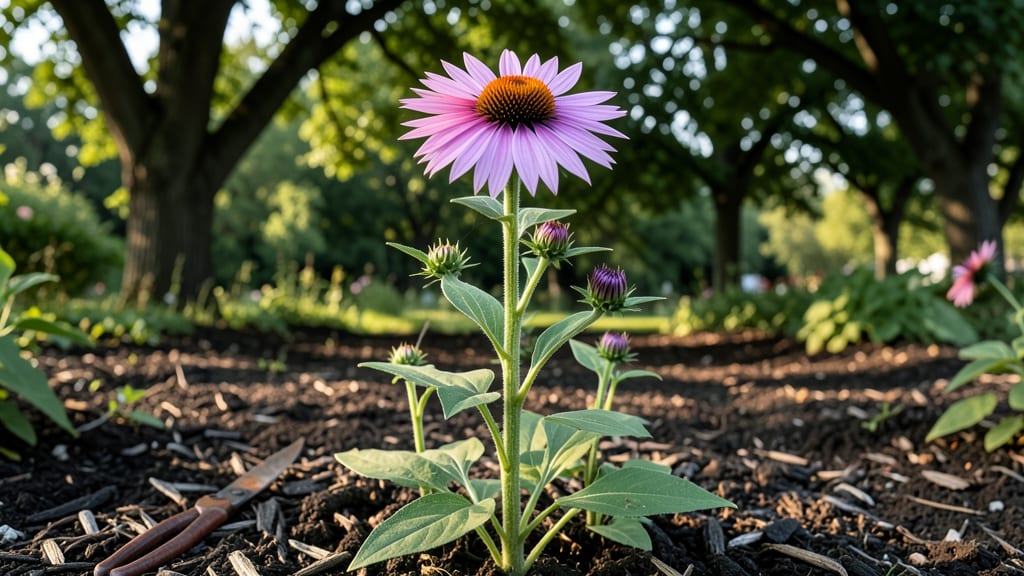
Zone 5B flowers that survive brutal winters and still burst into color every spring are the secret weapon of northern gardeners. 🌸 I’ve grown peonies that push through snow, coneflowers that rebound after -20°F, and lavender that thrives where most annuals give up.
These perennials don’t just survive—they dominate the garden with minimal fuss.
The real magic happens in the details: planting in well-draining soil, choosing varieties bred for cold snaps, and protecting tender stems before the first frost. My go-to list includes Echinacea, Russian sage, and hardy geraniums—plants that reward patience with weeks of blooms and pollinators buzzing all season.
Even in short summers, they stretch their show from early June to crisp October.
You’ll end up with a garden that feels lush and intentional, not like a seasonal experiment. The fragrant air of blooming catmint in July or the bold purple spikes of aster in September become your yard’s signature moments.
And the best part? These flowers come back stronger every year, turning winter’s dormancy into spring’s triumph.
Perfect for gardeners who refuse to let cold climates limit their vision. Let’s pick the right plants for your space—whether you’ve got full sun or a shady corner—and keep them thriving through the toughest winters.
📚 In This Guide
- What you need
- Instructions
- Tips and common mistakes
- Wrapping up and next steps
What you need
- ● Zone 5B-perennial flowers: Choose from cold-hardy varieties like coneflowers (Echinacea), black-eyed Susans (Rudbeckia), daylilies (Hemerocallis), or Russian sage (Perovskia). Aim for 3–5 plants per variety to ensure a full, layered look.
- ● High-quality potting soil: 10–15 gallons (or enough to fill raised beds/planters). Opt for a mix with compost and perlite for drainage.
- ● Organic fertilizer: 5–10 lbs of balanced (10-10-10) or slow-release formula to kickstart growth.
- ● Mulch: 2–3 inches of wood chips or straw to insulate roots in winter and retain moisture.
- ● Drip irrigation or soaker hose: 50–100 feet (depending on garden size) for efficient watering.
- ● Garden trowel (for transplanting small plants)
- ● Garden fork (for amending soil)
- ● Pruning shears (sharp, bypass-style for clean cuts)
- ● Gloves (heavy-duty for thorny plants like roses)
- ● Wheelbarrow or bucket (for hauling soil/amendments)
- ● Measuring tape (to space plants 12–36 inches apart, depending on variety)
- ● Compost tea (for a nutrient boost)
- ● Frost cloth (to protect young plants in late spring/early fall)
- ● Stakes or rings (for tall perennials like Delphinium)
- ● Color-coded plant markers (to track varieties)
- ● Knee pad (for comfort during long planting sessions!)
How to select and plant hardy perennials for zone 5B gardens
Cold-hardy perennials thrive in Zone 5B with the right preparation—here’s how to choose and establish them.
🌱 Step 1: Choose Perennials with Cold Tolerance and Bloom Timing
Focus on species that survive Zone 5B winters (down to -15°F) and bloom in multiple seasons. Coneflower (Echinacea), black-eyed Susan (Rudbeckia), and Russian sage (Perovskia) are proven winners—they return yearly with minimal care. Avoid tender annuals like impatiens; they won’t survive our winters.
Check bloom cycles: early spring bloomers like bleeding heart (Dicentra) need well-drained soil to prevent rot, while late-season asters (Symphyotrichum) tolerate heavier clay. I always plant at least one early, one mid, and one late bloomer to extend color from May through October.
🪴 Step 2: Prepare Soil for Cold-Climate Perennials
Amend your soil with 2–3 inches of compost before planting—Zone 5B’s heavy clay benefits from organic matter to improve drainage. Work the compost into the top 6–8 inches of soil, breaking up any compacted layers. Perennials hate soggy roots, so if your yard floods, raise beds slightly or add sand (but avoid pure sand—it compacts over time).
Test your soil’s pH. Most perennials prefer 6.0–7.0**, but blue flag iris (Iris versicolor) thrives in acidic (5.0–6.0) conditions. Adjust with lime or sulfur if needed. I like to add a slow-release fertilizer at planting time—just ½ cup per plant—to give roots a nutrient boost without burning them.
☀️ Step 3: Plant at the Right Depth and Spacing
Dig holes twice as wide as the root ball but only as deep as the plant’s original soil line. Pressing roots into compacted soil stresses plants. Place each perennial so the top of the root ball sits level with the surrounding soil—burying too deep suffocates stems, while planting too high exposes roots to freezing.
Space plants according to their mature size: 12–18 inches apart for compact perennials like creeping thyme (Thymus serpyllum) and 24–36 inches for large shrub-like plants like butterfly bush (*Buddleia). Overcrowding leads to disease and weak blooms. Water deeply after planting to settle the soil and eliminate air pockets around roots.
⏰ Step 4: Mulch and Protect for the First Winter
Apply 3–4 inches of organic mulch (straw, shredded leaves, or wood chips) after the first hard frost to insulate roots. Mulch prevents soil heaving—when frozen water expands and pushes plants out of the ground. Avoid thick layers of fresh wood chips, which can rob nitrogen as they decompose.
For newly planted perennials, add a lightweight frost blanket or burlap wrap around stems in late fall if temperatures drop below 10°F. Remove it in early spring once consistent 40°F days return. I’ve seen first-year perennials survive Zone 5B winters with this extra protection—it’s worth the effort.
Tips & tricks for thriving zone 5B perennials
Cold-hardy perennials need the right approach to survive Zone 5B winters—and these tricks will help you avoid common pitfalls while maximizing their potential.
Selection Tip: When choosing perennials for Zone 5B, prioritize those with proven hardiness below -15°F like coneflower and Russian sage. These plants have evolved to withstand our harsh winters, while others may struggle. I've found that native species often adapt best without extra fuss. For extra insurance, check your local cooperative extension service's plant hardiness database—they list exact cold tolerance ratings.
Soil Preparation Strategy: The 2–3 inches of compost recommendation in Step 2 is non-negotiable for Zone 5B's heavy clay soils. I like to mix in a handful of perlite or vermiculite when amending the top 6–8 inches—this improves drainage without altering the soil structure too much. For particularly wet areas, consider creating raised beds with a mix of native soil and compost to prevent waterlogging, which can be fatal to perennials.
Planting Depth Secret: Getting the planting depth right in Step 3 makes all the difference. The top of the root ball should sit level with the surrounding soil—this prevents stem rot from burial while ensuring roots have enough soil contact for stability. I use a small wooden stake to mark the original soil line on the root ball before planting, which helps me visualize the correct depth when placing each plant.
Winter Protection Hack: That 3–4 inches of organic mulch after the first frost is your best defense against soil heaving. For extra protection during the first winter, I've had great success with a layer of evergreen boughs (like pine or spruce) over the mulch. These provide additional insulation and create a microclimate that can protect tender new plants from extreme cold snaps below 10°F. Just remember to remove them in early spring once temperatures consistently stay above 40°F.
Pro Tips for Zone 5b Flowers
- Cold-hardy perennials need the right approach to survive Zone 5B winters—and these tricks will help you avoid common pitfalls while maximizing their potential.
- Selection Tip: When choosing perennials for Zone 5B, prioritize those with proven hardiness below -15°F like coneflower and Russian sage.
- Soil Preparation Strategy: The 2–3 inches of compost recommendation in Step 2 is non-negotiable for Zone 5B's heavy clay soils.
Frequently asked questions
What are the best low-maintenance perennials for Zone 5B?
For hassle-free blooms, opt for hardy perennials like coneflowers, black-eyed Susans, or Russian sage. These thrive in Zone 5B with minimal care, offering stunning colors and resilience against winter’s chill. Pro tip: Pair them with daylilies for extra durability!
How do I protect Zone 5B flowers from late spring frosts?
Use frost cloth or row covers to shield tender blooms after the last frost date (typically late May in Zone 5B). For container plants, move them to a sheltered spot or indoors overnight. Pro tip: Monitor your local frost forecast—early bloomers like tulips may need extra love!
Can I grow annuals in Zone 5B, or should I stick to perennials?
While perennials are low-maintenance, annuals like petunias or marigolds add seasonal pops of color. Just wait until after the last frost to plant seeds or transplants. Pro tip: Try cold-hardy annuals like pansies for early spring blooms!
Why are my Zone 5B perennials dying back in winter?
Many perennials (like hostas or peonies) go dormant in winter—this is normal! If they’re completely dead, check for rodent damage or poor drainage. Add mulch (3–4 inches) in fall to insulate roots. Pro tip: Avoid heavy mulch near stems to prevent rot!
When is the ideal time to divide Zone 5B perennials?
Divide most perennials in early spring (April) or early fall (September) when temps are mild. Overcrowded plants (like daylilies) benefit from division every 3–4 years. Pro tip: Water deeply before dividing for healthier roots!
Are there any fragrant Zone 5B flowers I can grow?
Yes! Try lavender, Russian sage, or peony varieties for intoxicating scents. Lilacs are another classic, blooming reliably in spring. Pro tip: Plant fragrant perennials near seating areas or walkways for maximum enjoyment!
Wrapping up and next steps
Growing Zone 5B flowers is all about embracing the beauty of hardy perennials that thrive in cold climates—without sacrificing color or resilience! 🌸 From the bold blooms of Peony to the delicate charm of Lavender, these plants prove that winter prep pays off in stunning, long-lasting gardens.
Whether you’re a seasoned gardener or just starting, the key is patience, proper planning, and a little seasonal TLC.
Ready to transform your garden? Start small—pick 2-3 perennials to test this season, then expand as you gain confidence. Check local nurseries for cold-hardy varieties, and don’t forget to join gardening communities for tips and inspiration. Your future garden will thank you! 🌿