Flowers
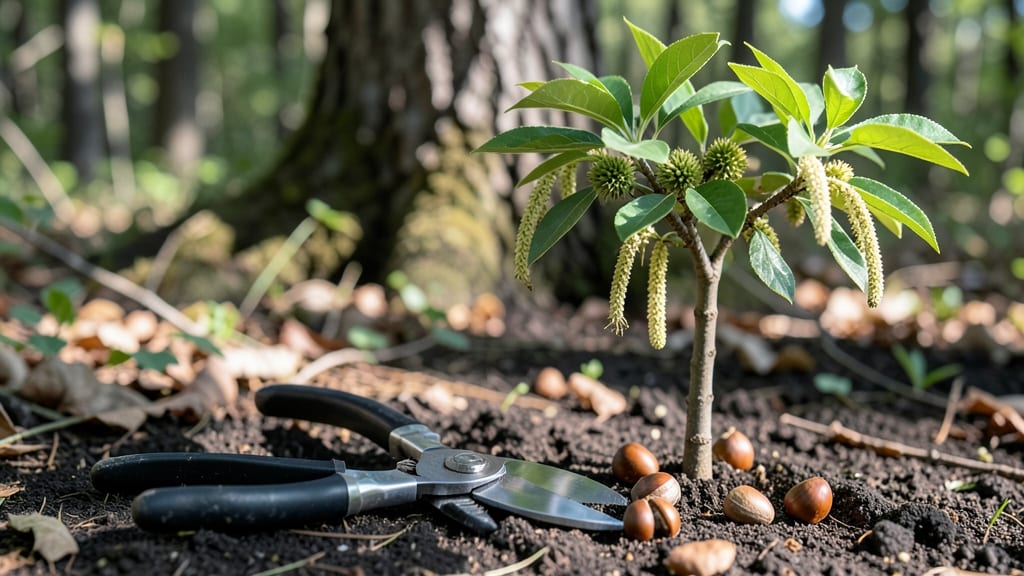
The American chestnut flower blooms like a lost treasure in spring, its delicate white petals a fleeting promise before the tree's legendary nuts appear.
I've spent years tracking down these resilient trees, and what I learned about their care will help you grow one too—even in areas where blight once wiped them out.
The key isn't just planting; it's creating the right conditions for survival and flowering, which starts with understanding their stubborn roots and frost-hardy nature.
You'll need a sunny spot with well-draining soil that mimics their native forest floors—think leafy loam mixed with sand. Saplings thrive in full sun, while mature trees tolerate partial shade, but flowering depends on consistent care.
The real challenge? Blight resistance. While no variety is completely immune, newer hybrids show promise, and proper spacing improves air circulation. Once established, these trees reward patience with stunning spring blooms that hummingbirds can't resist.
By late summer, you might spot tiny green husks forming—though full nuts are rare without cross-pollination. The flowers themselves are the star show, appearing before leaves unfurl in early spring.
With proper pruning and protection from deer, your tree could live for decades, becoming a living monument to a nearly lost American icon. The first blooms are the sweetest victory of all.
This isn't a quick project—American chestnuts take time to mature—but the payoff is worth it. Start with a certified blight-resistant sapling from a reputable nursery, and give it space to grow.
Within five years, you could be watching those first white flowers appear against your property, a quiet celebration of nature's resilience. The hardest part? Waiting for them to bloom.
📚 In This Guide
- What you need
- Instructions
- Tips and common mistakes
- Wrapping up and next steps
What you need
- ● American chestnut seeds or saplings: 1–5 seeds (if starting from scratch)
- ● OR 1–2 blight-resistant grafted saplings (for faster growth)
- ● Growing medium: 2–3 gallons of well-draining potting mix (50% peat moss, 30% perlite, 20% compost)
- ● OR native forest soil (if planting outdoors)
- ○ Containers (optional for seedlings): 2–4 6-inch biodegradable pots (for seed starting)
- ● Garden tools: 1 trowel (for transplanting)
- ● 1 pruners (sterilized for grafting)
- ● 1 hand fork (for loosening soil)
- ○ Safety gear (optional but recommended): 1 pair gardening gloves (to protect from thorns)
- ● 1 face mask (when handling soil or seeds)
- ● Location: Full sun to partial shade (6+ hours of sunlight daily)
- ● Hardiness zones 4–8 (frost-resistant!)
- ● Timing: Plant seeds in early spring or fall
- ● Grafting best done in late winter (dormant season)
- ● Water source: Hose or watering can with rainwater or filtered water
Step-by-step instructions for growing American chestnut flowers
Reviving this historic beauty takes patience, but the results are worth every effort.
Select the Right Location and Prepare the Soil
The American chestnut thrives in partial shade to full sun—at least 6 hours of sunlight daily—but tolerates deeper shade in hot climates. I always choose a spot with well-draining soil because soggy roots will kill the plant quickly. If your soil is heavy clay, amend it with 2-3 inches of compost mixed into the top 12 inches of soil.
Here's the thing—chestnuts hate competition. Remove any weeds or grasses within a 3-foot radius of where you'll plant. Their roots spread wide, and they need space to establish without battling other plants for nutrients. Test the soil pH—aim for slightly acidic to neutral (6.0-7.0). If your soil is too alkaline, add sulfur or peat moss to lower the pH gradually.
Plant Bare-Root Saplings at the Right Time
Fall is the best time to plant American chestnut saplings, ideally 4-6 weeks before the first hard frost. The roots will establish over winter, giving you a head start in spring. Dig a hole twice as wide as the root ball but only as deep—planting too deep suffocates the roots. Gently loosen any circling roots before placing the sapling in the hole.
Backfill with the native soil, tamping it lightly around the roots to remove air pockets. Water deeply right after planting—1-2 gallons—to settle the soil. Mulch with 2-3 inches of organic mulch (like wood chips) around the base, keeping it 6 inches away from the trunk to prevent rot. This mulch layer helps retain moisture and regulate soil temperature.
Water and Fertilize for Strong Early Growth
Young chestnut saplings need consistent moisture but hate soggy feet. Water once a week during the first growing season, providing 1-2 gallons per tree each time. You'll know it's enough when the soil 1 inch below the surface feels damp—not bone-dry, not sopping. Overwatering in the wrong season (like late fall) can encourage root rot, so adjust based on rainfall.
Skip fertilizer the first year unless your soil test shows deficiencies. If needed, use a balanced, slow-release fertilizer (10-10-10) in early spring, applying it 6 inches away from the trunk. Avoid high-nitrogen fertilizers—they promote leafy growth at the expense of root and flower development. The goal is steady, healthy growth, not a nitrogen binge.
Prune for Shape and Flower Production
Prune your chestnut in late winter or early spring before new growth begins. Remove any dead, diseased, or crossing branches first—these compete for energy and can spread problems. Then, thin out 10-20% of the canopy to improve airflow. Chestnuts flower best on mature wood, so avoid heavy pruning that removes too many branches at once.
Here's where it gets fun—watch for the first signs of flower buds in late spring. These appear as small, greenish clusters along the branches. Prune just above a bud facing outward to encourage an open, airy shape. Never prune when the tree is flowering—you’ll cut off potential blooms and weaken next year’s growth. A well-pruned chestnut produces more abundant, healthier flowers every season.
Protect and Encourage Flowering Over Time
American chestnuts are drought-tolerant once established, but young trees still need deep watering every 2-3 weeks during dry spells. Mature trees (5+ years old) can handle less frequent watering, but a good soaking every 4-6 weeks keeps them thriving. Mulch annually to maintain that 2-3 inch layer—it breaks down over time and enriches the soil naturally.
Flowers appear on mature trees (5-10 years old), but you can encourage earlier blooming by keeping the tree healthy and well-pruned. If your area gets late frosts, protect young flowers with frost cloth on chilly nights. The flowers are not frost-resistant—they’ll wilt and drop if temperatures dip below 32°F. Once established, though, the tree itself handles frost like a champ, making it a low-maintenance beauty for colder climates.
Tips & tricks for perfect American chestnut flower growth
Between us, these simple adjustments will help you coax the most vibrant blooms from your chestnut tree.
Location and Sunlight: While the American chestnut thrives with at least 6 hours of sunlight daily, I've found that morning sun with afternoon shade works best in hotter climates. The tree's natural shade tolerance means you can plant it under taller trees as long as it gets those crucial morning rays. This balance prevents leaf scorch while still encouraging robust flower production.
Soil Preparation: The 2-3 inches of compost mixed into the top 12 inches of soil isn't just about drainage—it's about creating the perfect microbial environment for root development. I always add a handful of mycorrhizal fungi to the planting hole (available at garden centers) to help the roots establish symbiotic relationships that boost nutrient uptake. This gives your sapling a head start in its first critical growing season.
Planting Timing: That 4-6 week window before hard frost is crucial because it allows roots to establish before winter dormancy. I've planted in late October with great success, but if you're in a warmer climate, aim for November. The key is to give roots time to harden off before freezing temperatures arrive—this makes them more resilient for spring growth.
Pruning for Flowers: When pruning in late winter or early spring, focus on creating an open canopy by removing branches that cross or rub against each other. I make my cuts just above outward-facing buds to encourage new growth that will bear flowers. Remember, chestnuts flower on mature wood, so avoid heavy pruning that removes too many branches at once—this preserves the tree's energy for flower production.
Pro Tips for American Chestnut Flower
- Between us, these simple adjustments will help you coax the most vibrant blooms from your chestnut tree.
- Location and Sunlight: While the American chestnut thrives with at least 6 hours of sunlight daily, I've found that morning sun with afternoon shade works best in hotter climates.
- Soil Preparation: The 2-3 inches of compost mixed into the top 12 inches of soil isn't just about drainage—it's about creating the perfect microbial environment for root development.
Frequently asked questions
Got questions about growing American chestnut flowers? You’re not alone—this historic beauty has a few quirks! Below, we tackle the most common curiosities, from planting timing to troubleshooting. Let’s get those blooms thriving!
When is the best time to plant American chestnut flowers?
The ideal window is early spring (after the last frost) or early fall (6–8 weeks before your first frost). Young trees handle transplanting better when soil is cool but workable. Avoid summer heat—it stresses roots! For container-grown plants, wait until roots fill the pot for easier establishment.
Are American chestnut flowers truly frost-resistant?
These trees are hardy to USDA Zones 4–8 and can survive temperatures as low as -30°F once mature. Young saplings may need winter mulch (3–4 inches of shredded bark) for their first few years. Just avoid heavy snow damage by gently brushing off branches—like giving them a cozy blanket!
Can I grow American chestnut flowers from seed?
Yes, but patience is key! Seeds need stratification (cold treatment) for 60–90 days to germinate. Soak seeds in water for 24 hours, then mix with damp sand in a sealed container in the fridge. Plant outdoors in spring. Pro tip: Grafted trees (available at nurseries) bloom faster but cost more.
What pests or diseases should I watch for?
The biggest threat is the chestnut blight fungus, which can still affect young trees. Monitor for cankers (sunken, oozing wounds) and prune infected branches 12 inches below the damage. Other pests include gypsy moths and tent caterpillars—use neem oil or insecticidal soap for organic control. Prevention: Space trees 30+ feet apart for airflow.
How long does it take for American chestnut flowers to bloom?
Patience, gardener! Grafted trees may produce flowers in 3–5 years, while seed-grown trees can take 10+ years. The showy white blooms appear in late spring (May–June), followed by spiky burrs. Fun fact: The flowers are not fragrant but attract bees—great for pollinators!
What’s a good alternative if I can’t find American chestnut flowers?
If local nurseries are sold out, try these similar frost-hardy, pollinator-friendly trees:
- Serviceberry (Amelanchier) – White blooms, edible berries, Zone 3–8.
- Hawthorn (Crataegus) – Thorny but stunning spring flowers, Zone 4–9.
- Black Gum (Nyssa sylvatica) – Dramatic fall color, Zone 4–9.
Wrapping up and next steps
The American chestnut flower isn’t just a lost beauty—it’s a resilient symbol of nature’s comeback. With the right frost-resistant care, you can nurture these stunning blooms and help restore a piece of history to your garden. 🌱
Ready to take the next step? Start by sourcing Castanea pumila saplings or seeds from trusted growers, then share your progress with fellow gardening enthusiasts. Every bloom brings us closer to reviving this iconic species—let’s grow together!