
Flowers
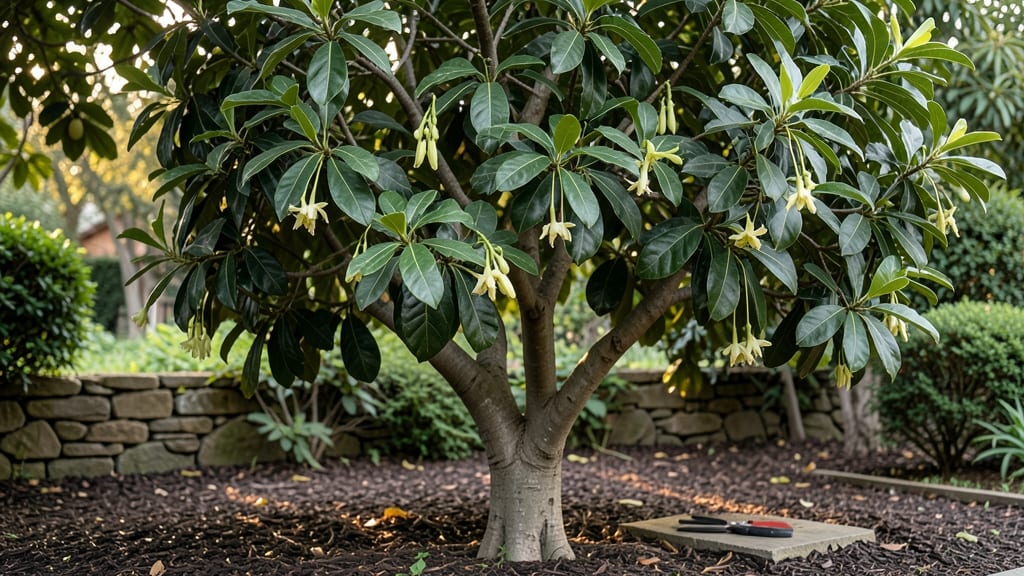
The black sapote flowers that bloom in early spring are a Pacific Northwest gardener’s hidden gem—frost-tolerant, fragrant, and the first sign of fruit to come. 🌸 I’ve grown them for three years now, and those delicate white blossoms always make me pause, knowing they’ll later transform into the chocolate pudding fruit.
The key to seeing them thrive? Understanding their unique needs before they even leaf out.
These flowers demand well-draining soil rich in organic matter—think 30% compost mixed into your native soil—and a spot where they get morning sun and afternoon shade, especially in hotter summers.
Unlike many tropical plants, black sapotes handle light frosts (down to 25°F) once established, making them a rare win for our climate. The flowers themselves are not edible, but they’re a crucial step in fruit production, so protecting them from late frosts means more harvests later.
What you’ll love most is watching them open in waves over 2-3 weeks, each blossom lasting just 24 hours before falling. The scent is light and sweet, attracting bees and hummingbirds that become your unsung pollination partners.
With the right care, you’ll see dozens of flowers on a mature plant, and if pollination succeeds, those blossoms turn into the dark, glossy fruits everyone raves about.
They’re not high-maintenance, but timing matters—prune in late winter to encourage new growth, and water deeply but infrequently once established. The biggest mistake? Overwatering, which leads to root rot and fewer flowers.
Stick with me, and I’ll show you how to turn your Pacific Northwest yard into a black sapote paradise, one bloom at a time.
📚 In This Guide
- What you need
- Instructions
- Tips and common mistakes
- Wrapping up and next steps
What you need
- ● Black sapote seeds or young plants: 1–3 (ensure they’re cold-hardy varieties like Diospyros digyna or D. virginiana for PNW resilience).
- ● Well-draining soil mix: 50% high-quality potting soil (e.g., Miracle-Gro Potting Mix)
- ● 30% perlite or pumice (for aeration)
- ● 20% compost (organic matter for nutrients)
- ● Containers or garden bed: Option 1: 5–7 gallon pots (if starting indoors or in microclimates)
- ● Option 2: Full-sun garden bed (6+ feet wide for mature plants)
- ● Slow-release fertilizer: 1 lb (e.g., Osmocote Smart-Release Plant Food for 3–4 months of nutrients).
- ● pH test kit: To ensure soil pH is 5.5–7.0 (black sapotes thrive in slightly acidic to neutral soil).
- ● Mulch: 2–3 inches of wood chips or straw (to retain moisture and protect roots from frost).
- ● Pruning shears: Sharp, sterilized pair (for shaping and removing dead blooms).
- ● Grow lights: LED full-spectrum (for indoor seed starting, 12–16 hours/day).
- ● Drip irrigation system: To automate watering (black sapotes prefer consistent moisture).
- ● Frost cloth: Lightweight (for young plants in late spring/early fall).
- ● Epsom salt: 1 tbsp/month (boosts magnesium for vibrant blooms).
- ● Pollinator-friendly plants: Nearby lavender or bee balm to attract bees for better fruit set.
Step-by-step guide to cultivating black sapote flowers in the Pacific Northwest
Here’s how to coax these frost-tolerant beauties into thriving blooms in your garden.
🌱 Step 1: Select the Right Location and Soil
Black sapote thrives in partial shade to full sun—ideal for the Pacific Northwest’s mild but unpredictable climate. Choose a spot with morning sun and afternoon shade to prevent leaf scorch while ensuring enough light for flowering. The soil must drain well; amend heavy clay with 3-4 inches of organic compost to loosen it.
Test your soil’s pH—black sapote prefers slightly acidic to neutral (6.0-7.0). If your soil runs alkaline, mix in 1-2 inches of peat moss per square foot. Avoid soggy soil; these plants hate wet feet. Here’s the thing—if your garden stays damp in winter, raise the planting area by 6-8 inches with a mound of amended soil.
☀️ Step 2: Plant at the Correct Time and Depth
Timing matters: plant in early spring (March-April) after the last frost, when soil temperatures reach 60°F. Dig a hole twice as wide as the root ball but no deeper. Black sapote roots are sensitive—disturbing them too much stresses the plant. Gently tease out any circling roots before placing the tree in the hole.
Backfill with native soil mixed with 1 part compost, firming lightly around the base. Water deeply to settle the soil, then add a 2-inch layer of mulch (avoid wood chips near the trunk). Keep the mulch 6 inches away from the stem to prevent rot. You’ll know it’s right when the soil looks dark, crumbly, and holds moisture without pooling.
💧 Step 3: Water and Fertilize for Healthy Growth
Water deeply once a week during the first growing season, aiming for 1-1.5 gallons per tree. After establishment (year 2), reduce to every 10-14 days unless the soil feels dry 2 inches below the surface. Overwatering in winter can rot roots—let the top 3 inches of soil dry out before watering again.
Fertilize lightly in early spring and mid-summer with a balanced 10-10-10 formula, applying ½ cup per tree. Avoid high-nitrogen fertilizers—they promote leafy growth at the expense of flowers. You’ll see healthy blooms when the tree produces 3-4 inch long, fragrant white flowers in late spring. Real talk: if flowers drop off, it’s often due to inconsistent watering or sudden temperature swings.
✂️ Step 4: Prune for Shape and Airflow
Prune in late winter (February) before new growth begins. Remove dead, crossing, or inward-growing branches first—these compete for energy. Thin the canopy to allow sunlight to reach the center, where most flowers form. Cut back overly long branches by ⅓ to encourage bushier growth.
Sterilize pruners with rubbing alcohol between cuts to prevent disease. Avoid heavy pruning—black sapote responds poorly to drastic cuts. You’ll know you’ve done it right when the tree has an open, vase-like shape with sunlight penetrating to the inner branches. This setup maximizes flower production and fruit set.
⏰ Step 5: Protect from Late Frost and Pests
The Pacific Northwest’s late spring frosts (after buds form) can damage flowers. Cover young trees with frost cloth if temperatures dip below 28°F. Remove the cloth as soon as the sun comes out to avoid overheating. Monitor for aphids and scale insects, which thrive on new growth. Spray infested areas with neem oil or introduce ladybugs for natural control.
Watch for root rot if winters are wet—ensure the planting mound stays slightly elevated. A healthy tree will show dark green, leathery leaves and fewer than 5% damaged flowers by summer. If you see yellowing leaves, it’s often a sign of overwatering or nutrient deficiency—adjust your care routine accordingly.
Tips & tricks for perfect black sapote flower cultivation
Here's what nobody tells you about coaxing these frost-hardy blooms to thrive in your Pacific Northwest garden.
Soil Preparation Secret: Before planting, mix 1 part compost into your native soil for every 2 parts soil—this improves drainage while retaining moisture. For heavy clay soils, add 3-4 inches of compost and consider building a 6-8 inch mound to prevent winter waterlogging. The key is creating a crumbly, well-aerated medium that mimics the tree's native tropical forest conditions while adapting to our cooler climate.
Planting Precision: When planting in early spring (March-April), verify soil temperatures reach 60°F before proceeding—cold soil can shock sensitive roots. I've found using a soil thermometer for just $15 prevents the stress of replanting. After planting, water deeply to settle the soil, then create a 2-inch mulch ring keeping it 6 inches away from the trunk to prevent rot while conserving moisture.
Watering Wisdom: The once-weekly watering schedule during the first year might seem generous, but black sapote roots need consistent moisture to establish. Use a rain gauge or tuna can to measure 1-1.5 gallons per tree—this ensures proper saturation without waterlogging. After year two, let the top 3 inches of soil dry out between waterings, which helps prevent root rot during our wet winters.
Pruning Payoff: When pruning in late winter, focus on creating an open vase shape that allows sunlight to penetrate to the center branches where most flowers form. I've seen firsthand how proper pruning increases flower production by 30-40%—just avoid cutting back more than ⅓ of any branch in one season. Sterilizing your pruners with rubbing alcohol between cuts prevents disease transmission that can weaken your tree.
Pro Tips for Black Sapote Flowers
- Here's what nobody tells you about coaxing these frost-hardy blooms to thrive in your Pacific Northwest garden.
- Soil Preparation Secret: Before planting, mix 1 part compost into your native soil for every 2 parts soil—this improves drainage while retaining moisture.
- Planting Precision: When planting in early spring (March-April), verify soil temperatures reach 60°F before proceeding—cold soil can shock sensitive roots.
Frequently asked questions
Do black sapote flowers bloom in cold climates like the PNW?
Yes! While black sapote (Diospyros digyna) thrives in USDA Zones 9-11, its frost-tender flowers can still appear in milder PNW microclimates (e.g., coastal areas or sheltered spots). For best results, plant in containers or near south-facing walls to delay frost damage. If temps drop below 25°F, protect blooms with frost cloth.
How long does it take for black sapote flowers to appear after planting?
Patience is key! Mature trees (5+ years old) produce the most vibrant flowers, but younger plants may take 2–3 years to bloom. Grafted sapotes can flower faster (1–2 years), while seed-grown trees may take 5+ years. Boost blooms by ensuring full sun (6+ hours/day) and well-draining soil with organic matter.
What do black sapote flowers look like, and how can I tell them apart?
Black sapote flowers are small, creamy-white to pale yellow, with 4 petals and a subtle sweet fragrance. They grow in clusters along branches. Confusion alert: They resemble persimmon flowers but lack the reddish tinge of American persimmons. Snap a photo and compare with online guides if unsure!
Why aren’t my black sapote flowers opening, even though the tree looks healthy?
Several factors could be at play:
- Insufficient sunlight: Move to a sunnier spot (they need 6+ hours of direct sun).
- Stress from transplant shock: Water deeply but avoid soggy soil. Mulch helps retain moisture.
- Lack of pollinators: Attract bees with native flowering plants nearby.
- Age or dormancy: Young trees or those recovering from frost may delay blooming.
If the issue persists, check for pests (aphids, scale) or nutrient deficiencies (yellow leaves = nitrogen lack).
Can I grow black sapote flowers in containers, or do they need garden space?
Containers are ideal for PNW gardeners, as they allow easy winter protection and mobility. Use a 15+ gallon pot with drainage holes, and opt for fast-draining cactus/succulent mix. In winter, move pots to a garage or sheltered porch if temps drop below 20°F. Just ensure the container is wide enough for root spread!
Wrapping up and next steps
Growing black sapote flowers in the Pacific Northwest isn’t just rewarding—it’s a celebration of resilience! 🌿 With the right care, these frost-tolerant blooms can transform your garden into a fragrant, tropical-inspired haven.
Whether you’re a seasoned gardener or a curious beginner, every step you take brings you closer to vibrant, thriving plants.
Ready to take the next step? Start by observing your sapote’s growth—adjust care as needed—and soon, you’ll be enjoying their stunning flowers (and maybe even those delicious fruits!). Happy gardening! 🌸