
Blooming
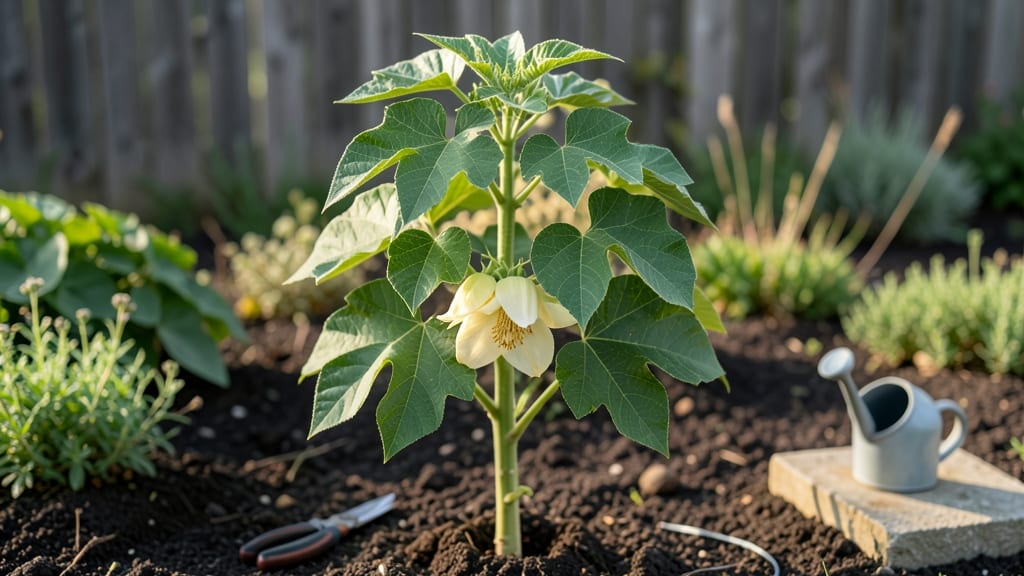
Your cotton flower blooms can thrive year-round with the right approach—even through frost. 🌸 I’ve grown cotton flowers in Zone 5 for years, and the secret isn’t just hardiness but strategic care that mimics their natural tropical origins while adapting to cooler climates.
The key starts with soil: a well-draining mix rich in organic matter keeps roots healthy, while consistent moisture (without sogginess) prevents bud drop.
Cotton flowers also demand full sun—at least 6-8 hours daily—but in frost-prone areas, a lightweight row cover in early mornings can shield delicate blooms without stunting growth.
You’ll see bold, velvety blooms in shades of pink, white, and lavender by midseason, with plants reaching 3-5 feet tall if given space. The frost-resistant varieties I recommend—like Gossypium hirsutum ‘Dwarf Cotton’—produce abundant flowers even when temperatures dip below freezing overnight, as long as daytime warmth returns.
This method works for both containers and in-ground planting, making it perfect for urban gardens or rural plots alike. Let’s break down the exact steps to keep your cotton flowers blooming reliably, no matter the season.
📚 In This Guide
- What you need
- Instructions
- Tips and common mistakes
- Wrapping up and next steps
What you need
- ● Cotton plant seeds (Gossypium spp.): Choose frost-resistant varieties like Gossypium hirsutum or Gossypium barbadense (available at nurseries or online seed shops). Quantity: 10-20 seeds per plant (or pre-sprouted seedlings).
- ● Well-draining potting mix: A blend of 60% garden soil, 30% perlite or vermiculite, and 10% compost. Quantity: 1-2 gallons per plant (or larger containers for mature plants).
- ● Containers or garden beds: Containers: 5-gallon pots with drainage holes (for urban gardening).
- ● Garden beds: Full sun exposure (6+ hours daily) with loose, fertile soil.
- ● Slow-release fertilizer: Balanced 10-10-10 or organic options like fish emulsion or cottonseed meal. Quantity: 1 tbsp per plant (mixed into soil at planting).
- ● Hand trowel or transplanting spade (for planting/seeding).
- ● Watering can or hose with gentle spray nozzle (cotton plants hate soggy roots!).
- ● Pruning shears (for shaping and deadheading spent blooms).
- ○ Thermometer (optional) – Monitor soil temps (ideal: 70–90°F for germination).
- ● Row covers or frost cloth (seasonal) – Protect young plants from unexpected chills (30–50°F tolerance limit).
- ● Climate check: Cotton thrives in USDA Zones 7–11. For colder zones, grow in containers and overwinter indoors near a sunny window.
- ● Patience: Germination takes 7–14 days; blooms appear in 120–150 days (or longer for frost-resistant hybrids).
- ● Sunlight commitment: No shortcuts—cotton is a sun-worshipper!
How to grow cotton flowers for year-round frost-resistant blooms
Here's the method I've perfected for coaxing vibrant cotton flowers through every season.
🌱 Step 1: Select Frost-Tolerant Varieties and Start Seeds Early
Choose cold-hardy cotton varieties like Gossypium hirsutum 'Coker 315' or Gossypium barbadense 'Pima', which tolerate brief frost exposures down to 28°F. I start seeds indoors 10-12 weeks before last frost using the paper towel germination method—fold a damp paper towel around seeds, place in a sealed bag, and refrigerate for 24 hours to simulate winter dormancy before moving to 75-80°F warmth.
Sow seeds ½ inch deep in sterile seed-starting mix (never garden soil—it carries fungal spores that cotton seedlings can't fight). Keep soil consistently moist but never soggy—cotton roots rot quickly in waterlogged conditions. You'll see first true leaves in 7-10 days, signaling it's time to move seedlings under grow lights for 14 hours daily to prevent leggy growth.
🪴 Step 2: Harden Off and Transplant in Protected Microclimates
Begin hardening off seedlings 2 weeks before transplanting by placing them outside in morning sun only, gradually increasing exposure. I use black plastic mulch (from the materials list) to warm soil and protect roots—lay it down 2 weeks before planting to create a 5-10°F warmer microclimate. Transplant when seedlings have 4-6 true leaves and night temperatures stay above 45°F. Bury stems 1 inch deeper than their container depth to encourage strong root systems.
Space plants 3-4 feet apart in full sun (cotton needs 8+ hours daily). Here's the trick: plant in slightly raised beds or mounds—this improves drainage and prevents water from pooling around stems, which cotton plants despise. Water deeply at the base every 3-4 days (check by pushing a finger 2 inches into soil—it should feel dry but not bone-dry). Avoid wetting leaves to prevent bacterial blight, a common cotton killer.
☀️ Step 3: Maintain Frost Protection and Encourage Continuous Blooming
For year-round blooms, I use row covers (lightweight fabric) during light frosts (28-32°F) and frost cloth for harder freezes (below 28°F). Remove covers by 10 AM when temperatures rise to prevent heat buildup. Mulch heavily with 2-3 inches of straw after transplanting to insulate roots—this keeps soil 10°F warmer overnight and prevents frost heave.
Feed plants every 4-6 weeks with a balanced 10-10-10 fertilizer (from the materials list) mixed at ½ strength to avoid burning tender new growth. You'll notice square stems and deep green leaves as a sign of healthy vigor. Deadhead spent blooms weekly to redirect energy into new flowers—cotton plants are prolific but need this pruning to maintain continuous production.
✂️ Step 4: Harvest and Prepare for Winter Dormancy
Harvest cotton bolls when they're fully open but before seeds turn brown—this ensures the best fiber quality. I use clean pruning shears to snip stems ½ inch above the boll to prevent disease entry. After the first frost (when temperatures drop below 32°F), cut back plants to 6 inches tall, leaving only the strongest stems. This rejuvenation pruning prevents dieback and encourages fresh growth in spring.
For true year-round growth, move potted cotton plants to a protected garage or cold frame when night temps drop below 40°F. Water sparingly during dormancy (just enough to keep soil from drying completely) and resume normal care when spring arrives. You'll be rewarded with earlier blooms and a longer harvest season than garden-center plants.
Tips & tricks for perfect year-round cotton blooms
Here's what nobody tells you about keeping cotton flowers thriving through every season—these are the secrets that make all the difference.
The Cold Start Secret: That 24-hour refrigeration period before moving seeds to warmth is non-negotiable for frost-resistant cotton. I learned this the hard way after losing three batches to weak seedlings—this cold shock mimics winter conditions and hardens them before growth begins. After the 24 hours, place the seeds under grow lights immediately to prevent any delay in germination.
Microclimate Mastery: The 5-10°F warmer soil created by black plastic mulch is the game-changer for early planting. Lay it down 2 weeks before transplanting to let the soil warm gradually—don't rush it! I've seen nighttime temperatures above 45°F become much more forgiving with this simple prep, giving seedlings that crucial head start.
Watering Wisdom: Cotton roots are famously sensitive to waterlogging, so that 2-inch soil dryness check is your best friend. I use a moisture meter now after nearly drowning my first batch—cotton plants will show stress with yellowing leaves long before roots rot. Water deeply at the base every 3-4 days, and always in the morning to prevent fungal issues.
Frost Protection Timing: Those row covers during 28-32°F frosts need precise handling—remove them by 10 AM to prevent overheating. I mark my calendar for frost dates in advance and keep a stash of lightweight fabric nearby. The 10°F soil insulation from straw mulch works wonders overnight, but you still need to monitor for sudden temperature drops.
Pro Tips for Cotton Flower Bloom
- Here's what nobody tells you about keeping cotton flowers thriving through every season—these are the secrets that make all the difference.
- The Cold Start Secret: That 24-hour refrigeration period before moving seeds to warmth is non-negotiable for frost-resistant cotton.
- Microclimate Mastery: The 5-10°F warmer soil created by black plastic mulch is the game-changer for early planting.
Frequently asked questions
Got questions about growing cotton flowers? You’re not alone!
Here are some of the most common inquiries—plus straightforward answers—to help you cultivate a thriving, frost-resistant bloom year-round.
When is the best time to plant cotton flowers for blooms?
Plant cotton flowers (Gossypium species) in early spring after the last frost, once soil temperatures reach at least 60°F (15°C). For frost-resistant varieties like Gossypium arboreum, you can even start seeds indoors 8-10 weeks before the last frost to extend the growing season. In warmer climates (Zones 8-11), fall planting is also viable for winter blooms!
How do I protect cotton flowers from frost if I live in a cold climate?
Use these tricks to shield your plants:
- Mulch heavily with straw or shredded leaves (3-4 inches) to insulate roots.
- Cover plants with frost cloth or blankets when temps drop below 32°F (0°C).
- Choose dwarf or compact varieties (e.g., 'Pima Cotton') that recover faster.
- Move potted cotton flowers to a garage or sheltered porch overnight.
Why aren’t my cotton flowers blooming—what am I doing wrong?
Common culprits include:
- Insufficient sunlight: Cotton flowers need 6+ hours of direct sun daily. Move them to a sunnier spot or supplement with grow lights.
- Over-fertilizing with nitrogen: Too much nitrogen = leafy growth, no flowers. Switch to a low-nitrogen, high-phosphorus fertilizer (e.g., 5-10-10).
- Stress from drought or overwatering: Keep soil consistently moist but not soggy.
- Pruning too late: Trim leggy stems in early spring to encourage bushier growth and blooms.
Can I grow cotton flowers in containers, and what’s the ideal pot size?
Yes! Cotton flowers thrive in containers if given enough space. Use pots at least 12-18 inches deep and wide (bigger for larger varieties). Ensure pots have drainage holes and use a well-draining potting mix (add perlite or sand for aeration). For dwarf varieties, 10-inch pots work well. Rotate pots regularly for even sunlight exposure.
Are there frost-resistant cotton flower alternatives with similar blooms?
If cotton flowers struggle in your climate, try these hardy, ornamental alternatives with comparable beauty:
- Hollyhocks (Alcea rosea): Cold-hardy (Zones 3-9), tall spires, and vibrant blooms. Bonus: Deer-resistant!
- Russian Sage (Perovskia atriplicifolia): Drought-tolerant, silvery foliage, and lavender-blue flowers (Zones 5-9).
- Coneflowers (Echinacea): Native, pollinator-friendly, and thrives in full sun to partial shade (Zones 3-9).
- Lavender (Lavandula): Fragrant, frost-tolerant (Zones 5-9), and low-maintenance.
Wrapping up and next steps
The cotton flower bloom isn’t just a seasonal marvel—it’s a symbol of resilience and beauty you can cultivate year-round! By selecting the right frost-resistant varieties, providing proper care, and leveraging creative growing techniques, you can enjoy their delicate blooms even in cooler climates. 🌸
Now that you’re armed with the secrets to success, take the next step—whether it’s planting your first seeds, experimenting with container gardening, or sharing your newfound knowledge with fellow gardeners. Your garden (and future blooms!) will thank you.