
Pests
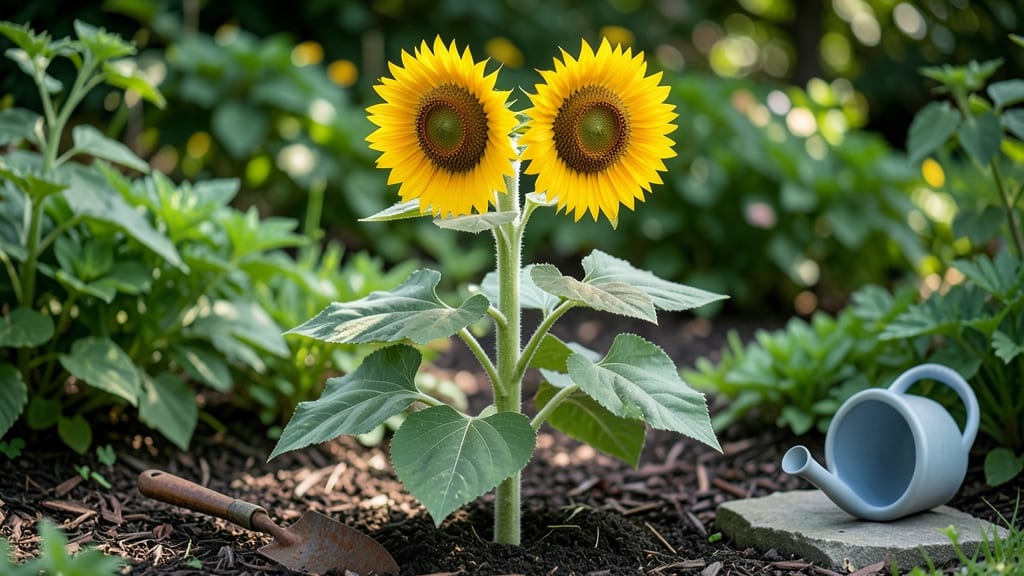
Double-headed sunflowers aren't just a fluke—they're a showstopper you can grow intentionally. 🌻 I've spent years perfecting the technique to coax those second blooms, and it starts with the right variety and a little strategic pruning.
The secret isn't magic; it's understanding how sunflowers grow and giving them the right conditions to branch out.
You'll need well-draining soil rich in organic matter, 6+ hours of direct sun daily, and consistent moisture—not soggy roots. The key varieties for this trick are 'Russian Giant' or 'Autumn Beauty,' but even standard types can produce second heads with the right care.
Think of it like training a plant to put on its Sunday best instead of its everyday look.
By summer's end, you'll have towering stems with two massive blooms instead of one, and the process actually makes the plants sturdier. The first head opens fully, then you guide the plant to produce a second one lower down.
It's like getting two sunflowers for the price of one—without buying a second plant.
Works in containers or garden beds, and the technique scales from small patios to large plots. Once you've mastered it, you'll never look at a single-headed sunflower the same way again. Here's how to make it happen every season.
📚 In This Guide
- What you need
- Instructions
- Tips and common mistakes
- Wrapping up and next steps
What you need
- ● Sunflower Seeds: Choose a variety known for producing multiple heads, like Mammoth Sunflower or Russian Giant. You’ll need 2-3 seeds per plant for best results.
- ● Potting Soil: A high-quality, well-draining seed-starting mix (10-15 lbs) for indoor germination.
- ● Containers: Biodegradable pots (3-4 inches deep) or small seed trays for transplanting.
- ● Outdoor Soil: Loose, nutrient-rich garden soil or a 50/50 mix of compost and topsoil (1-2 cubic yards for a small garden).
- ● Hand Trowel – For planting seeds and transplanting seedlings.
- ● Watering Can or Hose – With a gentle spray nozzle for consistent moisture.
- ● Garden Gloves – To protect your hands while handling soil and seeds.
- ○ Stakes or Trellis (Optional) – If your sunflowers grow exceptionally tall (6-12 ft), light support may help.
- ○ Fertilizer (Optional) – A balanced 10-10-10 or 5-10-10 fertilizer for nutrient boosts.
- ● A sunny location with at least 6-8 hours of direct sunlight daily.
- ● Access to water for consistent (but not soggy) soil moisture.
- ● Patience! Sunflowers take 80-120 days to bloom fully.
Step-by-step instructions for cultivating double-headed sunflowers
Here’s how I grow sunflowers that produce two blooms per stem—taller, fuller, and ready to wow your garden.
🌱 Step 1: Choose the Right Variety and Planting Time
Start with a double-headed sunflower variety like 'Double Yellow' or 'Moulin Rouge'—these are bred to produce two blooms per stem. Plant seeds 4-6 weeks before your last frost date for spring blooms, or mid-summer for late-season color. I always check the seed packet for days to maturity; most double-headed types take 80-100 days to flower.
Sunflowers love warmth, so wait until soil temperatures reach 55°F before planting. If you’re in a cooler climate, consider starting seeds indoors 2-3 weeks before transplanting to avoid stunted growth. I use a seedling heat mat for faster germination—sprouts appear in 5-10 days at 70-75°F.
☀️ Step 2: Plant in Full Sun with Spacious Soil
Sunflowers need 6-8 hours of direct sunlight daily—no compromise here. Choose a spot with well-draining soil and space the seeds 12-18 inches apart in rows 2-3 feet apart. Double-headed varieties can get 6-10 feet tall, so avoid planting near structures or power lines.
Dig a hole 1 inch deep and place 1-2 seeds per spot (thin to the strongest seedling). Press soil gently around the seeds—don’t pack it down. Water lightly after planting, but keep soil moist, not soggy, until germination. Once seedlings emerge, water at the base to prevent fungal diseases.
💧 Step 3: Fertilize and Support for Maximum Height
Feed sunflowers with a balanced fertilizer (10-10-10) when they’re 6 inches tall, then again when buds form. I use 1 tablespoon per plant mixed into the soil. Too much nitrogen makes stems weak—focus on phosphorus and potassium for strong roots and blooms.
Stake tall varieties with bamboo stakes or tomato cages at planting time. Tie stems loosely with soft twine as they grow—never cinch too tight. Double-headed sunflowers need support to prevent snapping in wind or rain. Watch for pest pressure (aphids, beetles) and treat with neem oil if needed.
✂️ Step 4: Encourage the Second Bloom with Pruning
Here’s the secret: Remove the first bloom when it starts wilting. This redirects energy to the second bud, ensuring a second showstopper. Use clean pruners to snip the stem just above a leaf node. The plant will focus on developing the second head instead of seeding the first.
Deadhead spent blooms after the second flower opens to keep the plant tidy and encourage more growth. If you want seeds, leave one bloom to mature—just don’t expect a second one. Water deeply once a week during dry spells, but reduce watering as flowers near maturity to improve flavor and seed quality.
🌿 Step 5: Harvest and Enjoy Year-Round Beauty
Cut the first bloom when petals are fully open but still dry—this extends vase life. The second bloom follows 2-4 weeks later, depending on variety. For seed saving, leave a few heads on the stem until they turn brown and dry. Twist gently to remove seeds, then store in a cool, dry place.
Double-headed sunflowers are great for cutting gardens or pollinator-friendly borders. I always leave a few stems standing for birds to enjoy the seeds. With the right care, you’ll get two stunning blooms per plant—double the impact, double the joy.
Tips & tricks for perfect double-headed sunflower cultivation
These practical tips will help you maximize those stunning second blooms while keeping your sunflowers healthy and strong.
Soil Temperature Secret: That 55°F soil temperature threshold is non-negotiable for germination. I've learned the hard way—planting too early in cold soil leads to weak seedlings that struggle to establish. Use a soil thermometer to confirm temperatures before planting, especially in spring. For cooler climates, that heat mat at 70-75°F makes all the difference in getting those sprouts to appear in just 5-10 days.
Spacing Strategy: The 12-18 inch spacing between plants might seem generous, but trust me on this—crowded sunflowers develop weak stems that snap easily. Double-headed varieties need that room to grow their full 6-10 feet without competing for sunlight. I always mark my rows with stakes before planting to ensure proper spacing from day one.
Fertilizer Timing: The two feeding times in Step 3 are crucial but often missed. That first feeding at 6 inches tall builds strong roots, while the second at bud formation ensures those second blooms develop properly. I've found that using 1 tablespoon of 10-10-10 per plant is perfect—any more nitrogen and you'll get leafy growth at the expense of flowers. Focus on that phosphorus and potassium for robust stems and blooms.
Pruning Precision: When removing the first bloom, make your cut just above a leaf node—this is where new growth will emerge. I use sharp pruners sterilized with rubbing alcohol to prevent disease transmission between cuts. The key is timing: remove it when it starts wilting but before it fully browns. This redirecting of energy is what gives you that second spectacular bloom.
Pro Tips for Double Headed Sunflower
- These practical tips will help you maximize those stunning second blooms while keeping your sunflowers healthy and strong.
- Soil Temperature Secret: That 55°F soil temperature threshold is non-negotiable for germination.
- Spacing Strategy: The 12-18 inch spacing between plants might seem generous, but trust me on this—crowded sunflowers develop weak stems that snap easily.
Frequently asked questions
Got questions about growing double-headed sunflowers? You’re not alone! Here are some of the most common queries—and their answers—to help you cultivate lush, dual-blooming stems like a pro.
How do I encourage my sunflower to grow two heads?
Double-headed sunflowers often occur naturally in some varieties (like ‘Russian Giant’ or ‘Autumn Beauty’), but you can boost the odds by pruning the first bloom before it fully matures. Once the flower head opens, snip it off just above a leaf node—this redirects energy to side buds, sometimes triggering a second head! Pro tip: Use sharp, sterilized scissors to avoid disease.
When is the best time to prune for a second head?
Timing is key! Prune the primary head when it’s about 70-80% open (usually 4-6 weeks after planting). If you wait too long, the plant may have already allocated resources to seed production. For year-round blooms, repeat the process on any subsequent heads—though later blooms may be smaller. Warning: Avoid pruning in extreme heat or cold; aim for mild, sunny days.
Can I grow double-headed sunflowers from seed?
Yes! While not all sunflower seeds will produce double heads, heirloom or hybrid varieties (like ‘Moulin Rouge’ or ‘Teddy Bear’) have a higher tendency. For guaranteed results, buy seeds labeled as “double-headed” or “multi-blooming.” If experimenting with random seeds, be patient—some may surprise you! Fun fact: Save seeds from double-headed plants for next year’s garden!
Why did my sunflower’s second head fail to bloom?
Several factors can sabotage your second head: nutrient deficiency (lack of phosphorus or potassium), pests (aphids or sunflower moths), or stress (overcrowding, drought, or extreme temps). Check for yellowing leaves (nitrogen deficiency) or chewed stems (pests). Solution: Fertilize with a balanced 10-10-10 mix and handpick pests early. Fix: Water deeply 2x/week and mulch to retain moisture.
What if my sunflower only grows one head?
Don’t fret—single-headed sunflowers are still stunning! If you’re determined to try again, opt for taller varieties (like ‘ProCut’) or train the plant to grow vertically with a stake. Some gardeners swear by pinching the main stem early (when 12” tall) to encourage branching, though this may delay blooming. For next season, try a different variety or adjust growing conditions (full sun + well-draining soil).
| Quick Fixes for Double-Headed Success |
|---|
| Temperature: Ideal range: 70–85°F (21–29°C). Avoid transplanting in frost. |
| Watering: 1–1.5 inches per week; drought stress = fewer blooms. |
| Spacing: Plant 18–24” apart to prevent competition. |
| Pest Control: Neem oil spray for aphids; row covers for moths. |
Wrapping up and next steps
Growing a double-headed sunflower isn’t just about luck—it’s a mix of patience, the right techniques, and a little gardening magic! 🌻 Whether you’re battling pests, adjusting spacing, or nurturing those extra blooms, every step brings you closer to a stunning, sun-drenched harvest.
Now that you’ve got the tools and answers, it’s time to roll up your sleeves and plant those seeds.
Ready to turn your garden into a double-headed sunflower paradise? Start by picking your favorite variety, prepping the soil, and keeping an eye out for those early signs of success. Happy growing—your future blooms are waiting! 🌱