
Flowers
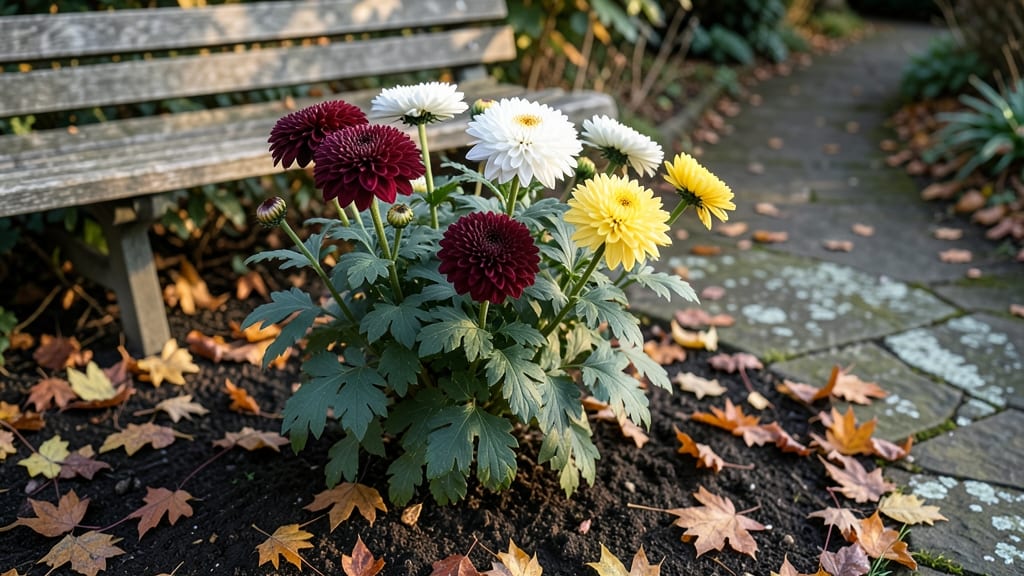
Fall flowers in season bring that shockingly lush color to your garden when everything else fades—think deep purples, fiery reds, and buttery yellows that make your yard look like a postcard. 🌻 I remember the first time I saw my neighbor’s chrysanthemums still blooming in November, and I knew I had to figure out how to replicate that magic in my own backyard.
The secret isn’t complicated: these flowers actually prefer cooler weather, so they thrive when most gardeners are packing up for winter. You’ll need well-draining soil, a spot with at least 6 hours of sunlight, and a little extra water as temperatures drop—simple supplies that make all the difference.
The best part? Many of these plants, like asters and pansies, keep blooming well into frost, giving you weeks of color when other gardens are bare.
By late October, your garden will be alive with texture and movement—velvety mums swaying in the breeze, delicate pansies adding pops of blue, and hardy asters providing structure.
The scent alone is worth it: imagine walking past a border of fragrant garden phlox or sweet alyssum, their perfume cutting through the crisp autumn air. These flowers don’t just survive fall; they shine in it.
Works for containers, borders, or even window boxes—just adjust spacing for smaller pots. Pair mums with ornamental grasses for height, or tuck pansies into gaps between spring bulbs for a year-round display. The possibilities are endless, and the payoff is instant.
📚 In This Guide
- What you need
- Instructions
- Tips and common mistakes
- Wrapping up and next steps
What you need
- ● Fall-blooming flowers: Choose from mums (chrysanthemums), aster, black-eyed Susans, sedum, or Japanese anemones (check local nurseries for varieties suited to your hardiness zone). Quantity: 3–5 plants per square foot for full coverage.
- ● Well-draining potting soil: 1–2 bags (1 cubic foot each) for containers or in-ground planting. Look for organic compost mixed with perlite or sand for better aeration.
- ● Garden gloves: 1 pair (nitrile-coated for durability).
- ● Hand trowel or transplant spade: 1 (6–8 inches long) for digging and planting.
- ○ Mulch (optional but recommended): Shredded bark or straw (1–2 inches thick) to retain moisture and protect roots from frost.
- ● Fresh-cut flowers: Harvest dahlias, sunflowers, or fall asters (3–5 stems per bouquet).
- ● Floral preservative: 1 bottle (e.g., Floralife) to extend vase life.
- ● Vases or containers: 1–2 (glass, ceramic, or mason jars—any size to fit your stems).
- ● Scissors or pruners: 1 pair (clean, sharp blades to avoid crushing stems).
- ○ Decorative elements (optional): Dried wheat stalks, pinecones, or eucalyptus for texture.
- ● Ribbon or twine (1–2 feet) for tying bouquets.
- ● Sunlight: Most fall flowers thrive in full sun (6+ hours/day) or partial shade (4–6 hours). Check your garden’s exposure!
- ● Watering schedule: Keep soil consistently moist (not soggy) until roots establish (2–3 weeks post-planting). Reduce watering as temps drop.
- ● Frost awareness: Monitor local forecasts—some flowers (like mums) tolerate light frost, while others (e.g., dahlias) need protection.
- ● Patience: Fall blooms may take 4–6 weeks to reach peak color after planting.
How to select and plant cool-season flowers for fall color
Here's how to transform your garden into a fall masterpiece—no green thumb required.
🌱 Step 1: Choose the Right Flowers for Your Climate
Focus on native perennials and cool-season annuals that thrive in 50-65°F temperatures. My top picks include mums (Chrysanthemums), aster, goldenrod, sedum, and pansies—they handle light frosts beautifully. Check your USDA hardiness zone to confirm which varieties suit your region.
I always look for disease-resistant varieties marked on seed packets. For example, aster 'Wood's Purple' handles mildew better than standard types. If your area gets heavy rain, opt for upright varieties that won't flop under wet conditions.
☀️ Step 2: Prepare the Planting Site for Fall Blooms
Clear away spent summer plants and loosen the soil to a depth of 6-8 inches. Amend with 2-3 inches of compost to replenish nutrients—fall flowers need strong roots to establish before winter. I use a garden fork to aerate compacted soil without disturbing the grass or weeds underneath.
Test your soil's pH—most fall flowers prefer 6.0-7.0. If yours is too acidic, add pulverized limestone at planting time. Avoid fresh manure, which can burn tender roots. Instead, use well-aged compost or a balanced 10-10-10 fertilizer at half strength.
💧 Step 3: Plant at the Right Time and Depth
For annuals, sow seeds 6-8 weeks before your first frost date. If planting perennials, do it 4-6 weeks before ground freezes. Dig holes twice as wide as the root ball but only as deep—burying too deep suffocates roots. Space plants according to their mature size (check the tag).
Water deeply right after planting to settle the soil. You'll see new growth in 7-10 days—that's your signal everything's working. Mulch with 2-3 inches of shredded leaves to insulate roots and retain moisture. Avoid thick mulch layers, which can smother plants.
✂️ Step 4: Maintain for Long-Lasting Fall Color
Deadhead spent blooms weekly to encourage more flowers. For mums, pinch back leggy stems to promote bushiness. Water deeply 1-2 times per week, aiming for 1 inch of water total. Morning watering prevents fungal issues—wet leaves at night invite mildew.
Watch for aphids or spider mites, common in fall. Spray with neem oil if you spot sticky residue on leaves. I also rotate plants quarter-turn weekly to prevent them from leaning toward the sun. This keeps your fall display even and vibrant.
Tips & tricks for perfect fall flower planting
Here's the secret to fall blooms that outshine the competition—without the guesswork.
Climate-Smart Selection: When choosing flowers like mums or asters, check seed packets for USDA hardiness zone compatibility. I always pick varieties labeled "disease-resistant"—it saves me hours of troubleshooting later. For example, aster 'Wood's Purple' thrives where regular asters would succumb to mildew. In rainy regions, opt for upright varieties that won't flop under wet conditions.
Soil Prep That Pays Off: The 6-8 inch soil loosening in Step 2 is non-negotiable—compacted soil strangles roots. I use a garden fork to break up just the top layer without disturbing weeds below. For pH adjustment, test first—most fall flowers prefer 6.0-7.0. If your soil tests lower, add pulverized limestone at planting time (never fresh manure—it burns tender roots).
Timing That Works Every Time: The 6-8 week window before frost for annuals gives seeds time to germinate and establish before cold sets in. Mark your calendar now! For perennials, planting 4-6 weeks before freeze ensures roots anchor before dormancy. Pro tip: Water deeply right after planting—you'll see new growth in 7-10 days if everything's right.
Maintenance That Multiplies Blooms: That weekly deadheading in Step 4 isn't just busywork—it signals plants to produce more flowers. For mums, pinch back leggy stems to encourage bushiness. And always water in the morning: wet leaves at night create the perfect environment for fungal diseases. Rotate plants quarter-turn weekly to prevent them from leaning toward the sun.
Pro Tips for Fall Flowers In Season
- Here's the secret to fall blooms that outshine the competition—without the guesswork.
- Climate-Smart Selection: When choosing flowers like mums or asters, check seed packets for USDA hardiness zone compatibility.
- Soil Prep That Pays Off: The 6-8 inch soil loosening in Step 2 is non-negotiable—compacted soil strangles roots.
Frequently asked questions
Got questions about bringing fall’s finest blooms into your garden or home? Here are answers to the most common queries—so you can enjoy these seasonal stars with confidence!
When is the best time to plant fall flowers?
Most fall flowers thrive when planted 4–6 weeks before your area’s first frost (typically late summer to early fall). Check your USDA zone for exact timing—cool-season blooms like chrysanthemums and asters love established roots before winter chills arrive. Pro tip: Use a soil thermometer to aim for 60–70°F for optimal root growth!
Can fall flowers survive winter, or do I need to remove them?
Many fall flowers, like mums, pansies, and ornamental kale, are hardy perennials that return yearly with proper care. Others (e.g., annuals like marigolds) die back but leave seeds for spring. Troubleshoot: Mulch around bases in Zone 5+ to protect roots, and trim dead foliage in early spring to encourage regrowth.
What are the easiest fall flowers for beginners?
Start with low-maintenance stars:
- Chrysanthemums (drought-tolerant, long-lasting)
- Pansies (edible petals, frost-resistant)
- Sunflowers (late-season varieties like ‘Autumn Beauty’)
- Ornamental grasses (zero fuss, year-round texture)
How do I extend the blooming season for fall flowers?
Prolong color with these tricks:
- Deadhead spent blooms (snip stems just above a leaf node) to encourage reblooming.
- Fertilize lightly with low-nitrogen, high-phosphorus formula (like 5-10-10) every 3–4 weeks.
- Water deeply in the morning to reduce fungal risks from evening moisture.
- Add a slow-release mulch (straw or shredded leaves) to insulate roots.
Why aren’t my fall flowers blooming like they should?
Common culprits and fixes:
Issue
Solution
Too much shade
Move containers or thin nearby plants to ensure 6+ hours of sunlight.
Over-fertilizing
Flush soil with water and switch to a balanced 10-10-10 fertilizer.
Pests (aphids, slugs)
Spray with neem oil or set beer traps for slugs overnight.
Wrong variety
Swap out tender annuals for Zone-hardy perennials (e.g., Russian sage).
Wrapping up and next steps
Fall is the perfect time to embrace the beauty of seasonal blooms—whether you're a gardener, a floral enthusiast, or simply someone who loves nature’s cozy palette.
From hardy mums to delicate asters, these vibrant flowers not only brighten up your space but also bring a sense of warmth and renewal as the season changes. Why not take the next step? Whether it’s planting a few new varieties, creating a seasonal arrangement, or simply admiring their charm in your garden, let these flowers inspire you to make the most of autumn’s floral magic! 🍂✨