
Flowers
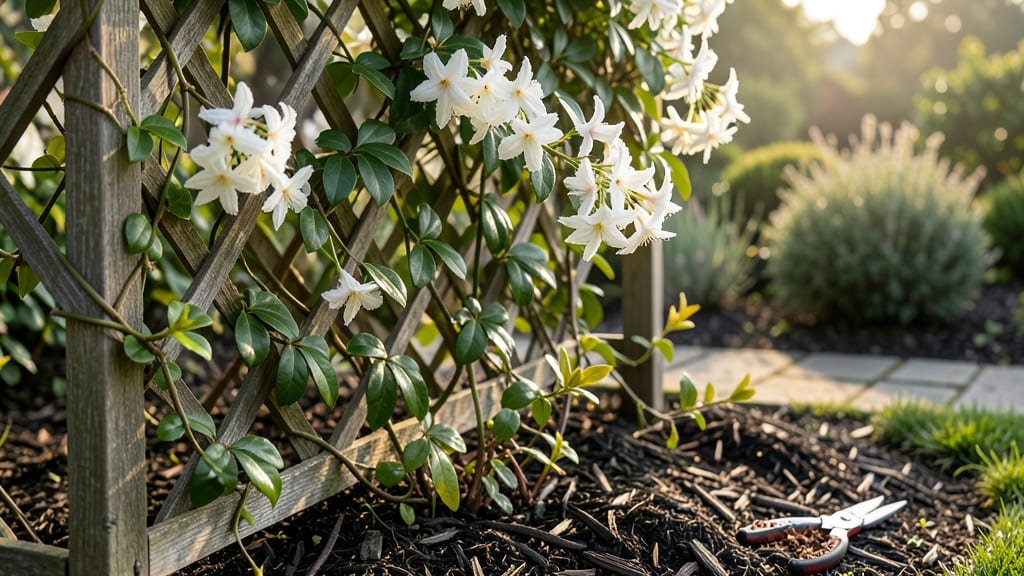
Growing Grand Duke jasmine means waking up to a garden that smells like a Tuscan summer morning. 🌿 This hardy climber thrives in zones 7-10, where its glossy leaves and clusters of star-shaped white flowers perfume the air—especially at night.
I learned the hard way that its delicate vines need winter protection in colder climates, but once established, it rewards you with blooms from late fall through spring.
The secret to its success lies in well-draining soil and partial shade—too much sun scorches the leaves, while too little shade reduces flowering. A trellis or arbor gives its vines something to cling to, and regular pruning after blooming keeps it tidy.
Most gardeners struggle with yellowing leaves, but that’s usually just a sign of overwatering or poor drainage—fix the soil, and the plant bounces back.
By summer, you’ll have a fragrant wall of flowers that hummingbirds adore. The vines grow 8-10 feet in a season, so plan your space accordingly.
With the right care, your Grand Duke jasmine will become the star of your garden, filling the air with its intoxicating scent for years to come.
Whether you’re training it up a fence or letting it cascade over a pergola, this jasmine adapts beautifully. Just remember: patience is key—it takes a season or two to really establish itself. Let’s get those vines growing!
📚 In This Guide
- What you need
- Instructions
- Tips and common mistakes
- Wrapping up and next steps
What you need
- ● Grand Duke Jasmine plants: 1-3 mature plants (or 3-5 young cuttings for propagation). Look for healthy, disease-free specimens with vibrant green leaves.
- ● Well-draining potting mix: 10-15 gallons (for containers) or amend garden soil with 50% perlite/vermiculite/sand for in-ground planting.
- ○ Containers (optional but recommended): 1-2 large pots (18"+ diameter) with drainage holes for each plant.
- ● Pro tip: Terracotta pots help regulate moisture—perfect for this tropical beauty! 💡
- ● Fertilizer: Balanced liquid fertilizer (10-10-10 or 20-20-20), 1 gallon per plant.
- ● Slow-release granules: 1 cup per plant (for seasonal feeding).
- ● Mulch: 2-3 inches of organic mulch (e.g., pine bark or shredded leaves) to retain moisture.
- ● Pruning shears: Sharp, sterilized shears for trimming and propagation.
- ● Gloves: A pair of gardening gloves to protect your hands from thorns and sap.
- ● Watering can or hose: With a gentle spray nozzle for hydration.
- ● pH test kit: To ensure soil pH is between 6.0-7.0 (jasmine loves slightly acidic to neutral soil!).
- ● Sunlight access: A spot with full sun (6+ hours/day) or bright indirect light (for indoor containers).
- ○ Humidity tray (optional): For indoor growers—fill a tray with pebbles and water to boost humidity.
- ○ Support structure (optional):strong> Trellis, stakes, or wire mesh for climbing varieties (Grand Duke can grow 10-15 feet!).
- ● Pro tip: Train vines early to avoid tangled messes! ✨
- ● Warmth: Grand Duke Jasmine thrives in USDA Zones 9-11. For cooler climates, grow in containers and bring indoors during winter.
- ○ Winter prep (optional):strong> Move pots to a bright, cool room (50-60°F) and reduce watering.
- ● Pro tip: Prune lightly in late winter to encourage spring blooms! 🌡️
Step-by-step guide to cultivating Grand Duke jasmine
Here's how to coax these fragrant climbers into thriving, blooming vines that perfume your garden all year.
🌱 Step 1: Choose the Perfect Planting Site
Grand Duke jasmine craves full sun—at least 6-8 hours daily—but tolerates light shade in hot climates. I always pick a spot near a trellis, arbor, or fence where it can climb 10-15 feet high. The roots need well-draining soil—amend heavy clay with 2-3 inches of compost before planting.
Test your soil's drainage by digging a 6-inch hole and filling it with water. If it drains within 2 hours, your soil is ideal. If not, raise the plant in a large container with potting mix instead. These vines hate soggy roots, which lead to root rot and stunted growth.
☀️ Step 2: Plant and Train for Optimal Growth
Set the bare-root plant in the hole at the same depth it was growing before, spreading roots outward. Backfill with soil and water deeply until moisture reaches 6 inches down. I like to add a slow-release fertilizer at planting time to give the roots a nutrient boost without burning tender growth.
Install a strong trellis or arbor immediately—jasmine vines grow aggressively and need support. Tie the main stem loosely to the trellis with soft plant ties (avoid wire or anything that can cut into the bark). Prune any weak or crossing branches to encourage strong, upward growth. You'll see new shoots emerge within 4-6 weeks if conditions are right.
💧 Step 3: Water and Feed for Continuous Blooms
Water deeply once a week during the first growing season, letting moisture penetrate 12 inches down. Once established, jasmine is drought-tolerant, but wilting leaves mean it's time to water again. I always check by sticking my finger 2 inches into the soil—if it feels dry, it's thirsty.
Feed with a balanced liquid fertilizer (10-10-10) every 4-6 weeks during spring and summer. In fall, switch to a low-nitrogen, high-phosphorus fertilizer to encourage blooming. Deadhead spent flowers regularly to redirect energy into new blooms. Prune lightly after flowering to maintain shape and remove any leggy growth.
✂️ Step 4: Prune for Health and Abundance
Prune in late winter or early spring before new growth begins. Remove any dead, diseased, or weak wood first—cut back to healthy growth. Then shape the vine by trimming 1/3 of the oldest growth to encourage fresh, vigorous shoots. I always sterilize my pruners with rubbing alcohol between cuts to prevent spreading disease.
For established plants, prune lightly after each flush of blooms to maintain size and shape. Avoid heavy pruning in fall—this can stimulate tender growth that won’t survive winter. You'll notice more blooms and fuller foliage within 2-3 weeks of proper pruning.
Tips & tricks for perfect Grand Duke jasmine cultivation
Between us, these fragrant climbers reward patience with intoxicating blooms—but only if you nail a few key details.
Sunlight Strategy: While Grand Duke jasmine thrives with the full 6-8 hours of sun specified, I've found that morning sun (6-9 AM) and afternoon shade (after 3 PM) works best in hot climates. The midday heat can scorch leaves if they're fully exposed. If your garden gets intense afternoon sun, consider a light shade cloth during peak hours—it won't block the sun completely but prevents leaf burn while still allowing plenty of light for flowering.
Soil Test Hack: The 2-hour drainage test is critical, but here's what nobody tells you—if your soil drains too quickly (water disappears in under 30 minutes), you'll need to add organic matter like composted leaves or coconut coir to retain moisture. Think of it as creating a sponge-like environment where roots can access water consistently without drowning. I've seen jasmine plants struggle in both soggy and bone-dry soil, so aim for that Goldilocks zone.
Support System: That strong trellis or arbor isn't just decoration—it's essential for two reasons. First, Grand Duke jasmine can grow 10-15 feet tall, and without support, the heavy vines will flop and break. Second, proper training along a trellis improves air circulation, which dramatically reduces fungal diseases. I've seen plants with perfect sunlight and soil still fail because they were left to sprawl on the ground. Install your support structure before planting to avoid future headaches.
Pruning Timing: The late winter/early spring pruning window is non-negotiable, but here's the secret timing most miss: aim to prune just as the first buds begin to swell on the stems. This encourages new growth while preserving next year's blooms. I mark my calendar for February 15th—right when my local daffodils start pushing through the soil—as a reliable guide. And always sterilize those pruners between cuts to prevent spreading disease through open wounds.
Pro Tips for Grand Duke Jasmine Flower
- Between us, these fragrant climbers reward patience with intoxicating blooms—but only if you nail a few key details.
- Sunlight Strategy: While Grand Duke jasmine thrives with the full 6-8 hours of sun specified, I've found that morning sun (6-9 AM) and afternoon shade (after 3 PM) works best in hot climates.
- Think of it as creating a sponge-like environment where roots can access water consistently without drowning.
Frequently asked questions
Got questions about cultivating Grand Duke jasmine? You’re not alone! Here are answers to the most common queries to help you grow these fragrant beauties with confidence.
How long does it take for Grand Duke jasmine to bloom?
With proper care, Jasminum officinale ‘Grand Duke’ typically blooms within 1–2 years of planting. Young plants may produce a few flowers in their first season, but expect full, fragrant blooms in the second year. Patience pays off—these vines reward you with year-round flowers in mild climates!
Can Grand Duke jasmine survive winter?
This hardy jasmine tolerates USDA Zones 7–10, but colder areas need protection. Mulch heavily around the base and wrap young plants in burlap or frost cloth. Established vines often bounce back after light freezes. In Zone 6 or colder, grow it in containers for winter indoors.
Is Grand Duke jasmine invasive?
Unlike some aggressive vines, Jasminum officinale ‘Grand Duke’ is non-invasive but can spread via runners. Prune regularly to control growth and keep it contained. It’s a well-behaved climber when trained on trellises or fences—perfect for gardens without space for sprawlers!
How often should I water Grand Duke jasmine?
Water deeply 1–2 times per week during the first year to establish roots, then reduce to weekly once mature. Jasmine hates soggy soil—ensure well-draining soil and adjust watering if leaves yellow. Mulch helps retain moisture while preventing weeds.
Why aren’t my Grand Duke jasmine flowers fragrant?
Fragrance fades if plants are stressed (over/under-watering, poor soil, or pests). Ensure full sun (6+ hours/day) and regular pruning to encourage airflow. Deadhead spent blooms to prompt more flowers. Phosphorus-rich fertilizer (like 10-20-10) in spring can also boost blooming and scent!
Wrapping up and next steps
The Grand Duke Jasmine isn’t just a flower—it’s a fragrant masterpiece that rewards patience and care with year-round blooms and intoxicating scent. Whether you’re a seasoned gardener or a curious beginner, this resilient beauty proves that even the most delicate dreams can grow roots in your garden. 🌸
Now that you’re armed with the right soil, sunlight, and tips, why not take the next step? Start with a single cutting, experiment with pruning, or even share your progress with fellow plant lovers. Your garden—and your nose—will thank you!