
Pruning
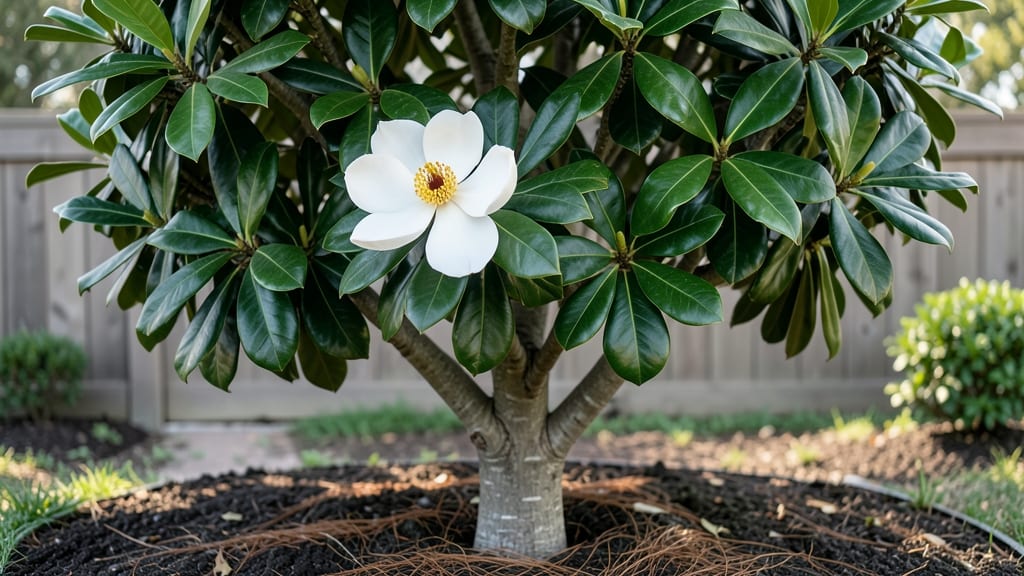
Growing the Jane Magnolia flowering tree in your Pacific Northwest garden means waking up to fragrant blooms that outshine even the wettest spring mornings. This frost-hardy beauty thrives where others struggle, with its creamy-white flowers arriving reliably each year—if you prune it right.
The key isn’t just when to trim but how to shape it for maximum blooms while keeping its natural elegance intact.
This magnolia loves full sun to partial shade and well-draining soil, making it perfect for Pacific Northwest gardens where winters are damp and summers mild. Water deeply after planting, then let the soil dry slightly between waterings once established.
The real magic happens in late winter or early spring, when you’ll prune to encourage strong growth and abundant flowers—no guesswork, just strategic cuts.
What you’ll end up with is a tree that becomes the centerpiece of your garden, its glossy leaves turning rich green and its flowers filling the air with a sweet, intoxicating scent.
The blooms attract pollinators early in the season, and the tree’s disease resistance means fewer headaches for you. With the right care, it’ll reward you for years to come.
Whether you’re a beginner or an experienced gardener, the Jane Magnolia adapts well to pruning styles, from minimal shaping to more structured forms. The Pacific Northwest’s climate actually works in its favor—cooler summers mean less stress, and its hardiness ensures it thrives where other magnolias might falter.
Let’s get your tree set up for success.
📚 In This Guide
- What you need
- Instructions
- Tips and common mistakes
- Wrapping up and next steps
What you need
- ● Pruning shears (bypass type): Sharp, clean (sterilized with rubbing alcohol), and sized for small to medium branches (4"–6" blade length). Quantity: 1 pair.
- ● Loppers: For thicker branches (up to 2" diameter). Look for bypass-style loppers with a ratcheting mechanism for ease. Quantity: 1 pair.
- ● Pruning saw: A curved-tooth saw for branches larger than 2" in diameter. Quantity: 1.
- ● Gloves: Heavy-duty, cut-resistant gloves (e.g., leather or synthetic blend) to protect hands from thorns and sap. Quantity: 1 pair.
- ● Disinfectant (rubbing alcohol or 10% bleach solution): To sterilize tools between cuts and prevent disease spread. Quantity: Small bottle or spray.
- ○ Pruning sealant (optional but recommended): A tree wound dressing (e.g., Tanglefoot Tree Wound Pruning Seal) for large cuts to reduce sap loss and infection risk. Quantity: Small tube.
- ● Ladder or step stool: Sturdy and tall enough to reach the tree’s canopy safely. Height: At least 12–15 feet.
- ● Heavy-duty trash bags: For collecting pruned branches and debris. Quantity: 2–3 bags.
- ● Safety gear: Safety glasses
- ● Long sleeves and pants (to protect from thorns)
- ● Extension pole pruners: For hard-to-reach branches without climbing. Quantity: 1.
- ● Tree tie or zip ties: To secure scaffold branches if needed. Quantity: Small pack.
- ● Garden hose or spray bottle: To rinse tools and remove sap residue. Quantity: 1.
- ● Notebook and pen: To sketch a pruning map of cuts before you start.
- ● Friend or helper: Magnolias can be thorny—having an extra pair of hands (or eyes) is a game-changer!
Step-by-step guide for pruning your Jane magnolia tree
Here's how I've mastered pruning this stunning Pacific Northwest favorite—keeping it healthy and blooming year after year.
Time Your Pruning for Maximum Blooms
Prune your Jane magnolia immediately after its spring flowering cycle ends, typically in late May or early June. This timing ensures you don't remove next year's flower buds, which form on old wood. I always wait until I see at least 80% of the flowers have dropped—this gives me confidence I'm not cutting back potential blooms.
If you prune too early, you risk cutting off flower buds that haven't fully developed. If you wait too long, you may encourage overly vigorous late-season growth that won't harden off before winter. The Pacific Northwest's unpredictable spring weather makes this timing especially critical—watch for frost warnings after your pruning.
Assess and Remove Dead or Damaged Wood
Start by examining the tree for any branches that are dead, diseased, or crossing. Use sharp pruning shears to make clean cuts at the branch collar—the swollen area where the branch meets the trunk. I never cut flush with the trunk, as this can damage the tree's healing tissues. For larger branches over ½ inch thick, use loppers or a pruning saw.
Remove any branches that are rubbing against others, as these will eventually create wounds that invite disease. Look for branches growing inward toward the center of the tree—these compete with each other and weaken the structure. The Jane magnolia naturally grows with a strong central leader, so maintain that dominant trunk while opening up the canopy for better airflow.
Thin the Canopy for Air Circulation
Selectively remove about 20-30% of the total branches to improve light penetration and air circulation. Focus on branches that are growing too densely or creating a crowded look. I start at the outer edges and work inward, removing branches that are growing straight up or downward—these rarely produce flowers and create a "bottlebrush" appearance.
Make your cuts just outside a lateral bud that faces outward. This encourages the branch to grow in a direction that maintains the tree's natural shape. Avoid cutting back to a stub or leaving a large wound—always make clean cuts at the correct angle. The Jane magnolia responds well to this thinning, producing stronger growth and better flowering in subsequent years.
Shape the Tree for Pacific Northwest Conditions
Gently shape the tree to create a balanced silhouette while accounting for our region's wind and rain. Avoid heavy pruning that would stimulate excessive new growth, which might not harden off before winter. I typically limit myself to removing no more than one-third of any branch's length in a single season.
Pay special attention to the lower branches—while you might be tempted to remove them for clearance, the Jane magnolia benefits from some lower foliage to help it establish a strong root system. Leave at least one-third of the lower branches unless they're clearly dead or diseased. This helps the tree maintain its natural resilience against our wet winters.
Clean Up and Protect the Tree
After pruning, collect all debris and dispose of it properly. Never leave cut branches on the ground near the tree, as they can harbor pests and diseases. I sterilize my pruning tools with a 10% bleach solution between cuts to prevent spreading any potential pathogens.
Apply a thin layer of mulch around the base of the tree, keeping it 3-4 inches away from the trunk to prevent rot. Water deeply after pruning to help the tree recover. The Jane magnolia is naturally frost-hardy, but proper post-pruning care ensures it'll bounce back strong for another season of spectacular spring blooms.
Tips & tricks for perfect Jane magnolia pruning
Mastering these key techniques will help your Jane magnolia thrive for decades in our Pacific Northwest climate.
Timing is Everything: The late May to early June window for pruning is non-negotiable for Jane magnolias. I've learned this the hard way—pruning too early risks cutting off next year's flower buds (which form on old wood), while waiting too late encourages weak growth that won't survive our winters. Mark your calendar for when 80% of flowers have dropped, and be ready to prune within 2-3 days after that point. The Pacific Northwest's variable spring weather makes this timing especially critical.
Tool Preparation Matters: Before you begin, sharpen your pruning shears and sterilize them with a 10% bleach solution between cuts. I keep a small spray bottle with this solution handy to quickly disinfect tools when moving between branches. For branches over ½ inch thick, switch to loppers or a pruning saw—these provide the leverage needed for clean cuts without crushing the branch. Remember, clean cuts heal faster and reduce disease risk.
Canopy Thinning Strategy: When thinning your canopy to improve air circulation, focus on removing branches that are growing straight up or downward—these rarely produce flowers and create that unattractive "bottlebrush" appearance. Start at the outer edges and work inward, removing about 20-30% of total branches. Make your cuts just outside a lateral bud that faces outward to encourage healthy growth in the right direction. This selective approach maintains the tree's natural shape while improving its overall health.
Pacific Northwest Adaptations: Our region's wet winters and windy conditions require special attention. Never remove more than one-third of any branch's length in a single season—this prevents shock and encourages hardy growth. For lower branches, leave at least one-third unless they're clearly dead or diseased. These lower branches help establish a strong root system that anchors the tree against our winter storms. The Jane magnolia's natural resilience makes it perfect for our climate when pruned correctly.
Pro Tips for Jane Magnolia Flowering Tree
- Mastering these key techniques will help your Jane magnolia thrive for decades in our Pacific Northwest climate.
- Timing is Everything: The late May to early June window for pruning is non-negotiable for Jane magnolias.
- Tool Preparation Matters: Before you begin, sharpen your pruning shears and sterilize them with a 10% bleach solution between cuts.
Frequently asked questions
Got questions about growing and pruning Jane Magnolia trees in the Pacific Northwest? Here are some of the most common queries—plus the answers you need to keep your tree thriving!
When is the best time to prune my Jane Magnolia?
The ideal time to prune is late winter or early spring (before buds swell but after frost risk passes). This timing encourages healthy growth while avoiding late-season pruning, which can stimulate tender new growth vulnerable to cold. For the Pacific Northwest, aim for February to March when temperatures are consistently above freezing.
How cold-hardy is the Jane Magnolia, and will it survive PNW winters?
Jane Magnolias are USDA Zone 4-8 hardy, making them perfect for the Pacific Northwest’s chilly winters! They tolerate temperatures down to -30°F (-34°C), but young trees may need winter protection (like burlap wraps) in their first few years. Established trees, however, handle frost like a champ—just avoid pruning during extreme cold snaps.
Can I prune my Jane Magnolia after it flowers?
Yes, but lightly! Jane Magnolias bloom on old wood, so heavy pruning after flowering can reduce next year’s blooms. If you must prune post-bloom, focus on dead, diseased, or crossing branches—avoid cutting back more than 20% of the canopy. For best results, save major pruning for late winter.
What if my Jane Magnolia isn’t flowering? How can I encourage blooms?
Lack of flowers often stems from over-pruning, poor sunlight, or young age (magnolias can take 3–5 years to bloom). Ensure your tree gets at least 6 hours of sunlight daily and avoid heavy pruning. Fertilize lightly in early spring with acidic, organic fertilizer (like coffee grounds or pine needles) to mimic its natural habitat.
Are Jane Magnolias deer-resistant? Will they survive in my garden?
While not fully deer-proof, Jane Magnolias are less appealing than other plants due to their tough leaves and fragrant flowers. Deer may nibble young shoots, but mature trees are usually safe. For extra protection, apply deer repellent or plant companion shrubs like boxwoods or barberries to deter browsers.
Wrapping up and next steps
Transforming your Pacific Northwest garden with a Jane Magnolia is a rewarding journey—especially when you master frost-hardy pruning! 🌿 From selecting the right tools to timing your cuts, every step ensures vibrant blooms and a thriving tree.
Remember, patience and precision are key, and soon, your garden will be bursting with fragrant, show-stopping flowers.
Ready to take the next step? Grab your pruners, mark your calendar, and start planning your pruning session this fall or early spring. Your Jane Magnolia—and your garden—will thank you!