
Light Requirements
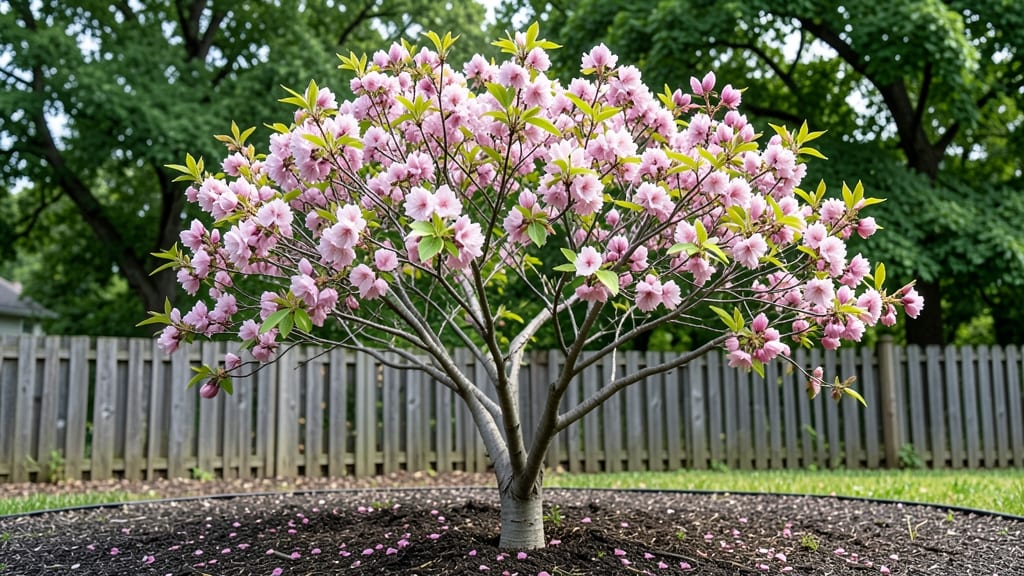
Light pink flowering trees add a dreamy, romantic glow to any garden—no pruning drama required. 🌸 I’ve seen these trees transform a plain yard into a springtime masterpiece with minimal effort, and the best part?
Their blooms often return in fall or even winter. The key is choosing the right species for your climate and sunlight, then pairing them with plants that make their soft pinks pop even more.
My go-to picks are Eastern Redbud for early spring color, Japanese Cherry for dramatic canopies, and Crapemyrtle for heat-loving reliability. All three thrive in full sun to partial shade and handle drought once established.
The trick is placing them where their branches can cascade over patios or frame entryways—imagine that blush-pink glow at dusk. Pair them with deep greens like boxwood or silver foliage like lamb’s ear to make the pinks sing.
You’ll love how these trees stay relatively low-maintenance once planted. Redbuds bloom for just a few weeks but put on a second show with heart-shaped leaves, while Crapemyrtles reward you with bark texture in winter.
Japanese Cherries offer seasonal interest with their delicate petals and glossy foliage. The best part? Their minimal pruning needs mean you spend more time admiring than trimming.
For a cohesive look, add perennials like salvia or Russian sage at their base—their purple-blue blooms create a stunning contrast. Mulch with pine straw to keep roots cool and moisture levels steady. These trees aren’t just pretty; they’re the backbone of a garden that feels effortlessly elegant all year long.
📚 In This Guide
- What you need
- Instructions
- Tips and common mistakes
- Wrapping up and next steps
What you need
- ● Light pink flowering tree varieties: 1 Cercis canadensis ‘Alba’ (Eastern Redbud – light pink blooms, early spring)
- ● 1 Prunus serrulata ‘Kwanzo’ (Kwanzan Cherry – vibrant pink flowers, late spring)
- ● 1 Lagerstroemia indica ‘Natchez’ (Natchez Crape Myrtle – soft pink blooms, summer)
- ● Well-draining soil: 5–10 bags (2–3 cubic feet each) of garden loam or compost mix (pH 6.0–7.0)
- ● Organic mulch: 2–3 bags of wood chips or pine straw (2–3 inches deep)
- ● Slow-release fertilizer: 1–2 (10–15 lb) bags of balanced 10-10-10 or tree-specific formula
- ● Watering supplies: 1 soaker hose (50–100 ft) or drip irrigation kit
- ● 1 watering can (3–5 gallons) for hand-watering
- ● Planting tools: 1 shovel (round-point or digging)
- ● 1 garden trowel (for smaller adjustments)
- ● 1 pruning shears (bypass, 7–9 inches)
- ○ Safety gear (optional but recommended): 1 pair gardening gloves (heavy-duty)
- ● 1 safety goggles (if pruning mature branches)
- ● Location prerequisites: Sunlight: Full sun (6+ hours/day) for most varieties (check specific tree needs)
- ● Space: Minimum 15–25 ft apart (depending on mature size)
- ● Drainage: Avoid low-lying areas to prevent root rot
- ● Tree support: 1–2 tree stakes + soft ties (for young saplings)
- ● Pest control: Neem oil spray (1–2 bottles) or beneficial nematodes
- ● Seasonal care: Winter mulch blanket (for cold climates)
- ● Design touches: Decorative rocks or landscape fabric (to enhance aesthetics)
How to select and plant light pink flowering trees for season-long beauty
Here’s my go-to approach for choosing and establishing these showstopper trees—minimal fuss, maximum impact.
🌱 Step 1: Choose the Right Tree for Your Climate and Space
Light pink flowering trees thrive in zones 4-9, but species vary in cold tolerance and size. For small yards, Crabapple (Malus) or Dogwood (Cornus) varieties like ‘Pink Perfection’ stay under 15 feet tall. Larger landscapes can handle Magnolia (Magnolia stellata ‘Rosea’) or Bradford Pear (Pyrus calleryana ‘Pink Spire’) at 25-35 feet. Always match your tree’s mature height to available space—nothing ruins a garden faster than a tree outgrowing its home.
Check your local nursery for disease-resistant cultivars—some Bradford Pears, for example, develop fire blight. I’ve found that serviceberry (Amelanchier) varieties like ‘Regent’ handle heat and humidity better than others. Plant in full sun to part shade (6+ hours of light daily) for best blooms, though Dogwoods tolerate morning sun and afternoon shade in hot climates.
☀️ Step 2: Plant at the Right Time and in the Perfect Spot
Fall or early spring planting gives roots 6-8 weeks to establish before extreme heat or cold. Dig a hole twice as wide as the root ball but no deeper—planting too low suffocates roots. Loosen the soil at the bottom of the hole with a shovel to encourage root spread. If your soil is heavy clay, mix in 2-3 inches of compost from the ingredients list to improve drainage.
Position the tree so the top of the root ball sits 1-2 inches above ground level—this prevents waterlogging. Spread roots gently (don’t bend them) and backfill with native soil, tamping lightly every 6 inches to remove air pockets. Water deeply until soil 6 inches down feels moist, then add 2-3 inches of mulch (keeping it 6 inches away from the trunk to prevent rot).
💧 Step 3: Water and Fertilize for Strong Early Growth
Newly planted trees need deep watering 2-3 times per week for the first month, then taper to once a week if rainfall exceeds 1 inch. Overwatering is just as harmful as drought—check soil 2 inches down before watering again. A soaker hose or drip irrigation system delivers moisture evenly without wetting foliage (which invites fungal diseases).
Skip fertilizer the first year—you’re more likely to burn tender roots than help growth. In year two, apply a balanced 10-10-10 fertilizer in early spring (follow label rates) to support blooming. Dogwoods and Magnolias are light feeders, while Crabapples appreciate a low-nitrogen, high-phosphorus blend (like 5-10-10) to boost flowering. Always water deeply after fertilizing to move nutrients into the root zone.
✂️ Step 4: Prune Strategically for Health and Blooms
Prune light pink flowering trees only after they finish blooming (late spring to early summer) to preserve next year’s flowers. Remove dead, crossing, or weak branches first, cutting back to the collateral bud (the side bud facing outward). For shape, limit pruning to no more than 25% of the canopy—these trees bloom on old wood, so aggressive cuts reduce flowers. Use sterilized pruners to prevent spreading disease between cuts.
Thin out dense areas to improve airflow, which reduces powdery mildew (common on Crabapples). Never top trees—it invites disease and weak growth. Instead, prune to create a natural, open center that lets sunlight reach inner branches. I prune mine in two sessions: once right after blooming to clean up, and again in late summer to remove any suckers or water sprouts that appear.
Tips & tricks for perfect light pink flowering trees
These simple strategies will help you get the most vibrant blooms and healthiest growth from your light pink flowering trees.
Climate Matching: Pay close attention to your local hardiness zone when selecting varieties. For example, Bradford Pear ('Pink Spire') thrives beautifully in zones 5-9 but may struggle in colder climates like zone 4. I’ve seen 'Regent' serviceberry outperform other options in humid Southern gardens—it’s worth asking your local nursery which cultivars handle your specific climate challenges best.
Soil Prep Secret: Before planting, mix in 2-3 inches of compost into the bottom of the hole, especially if you have heavy clay soil. This improves drainage and gives roots a nutrient boost right from the start. I like to add a handful of organic matter even for well-draining soils—it creates a better environment for root establishment during that critical first year.
Watering Wisdom: The 2-3 inches of mulch you add after planting isn’t just for looks—it helps retain moisture and regulate soil temperature. Water deeply until soil 6 inches down feels moist, then check again before watering. I’ve found that using a soaker hose or drip irrigation system prevents fungal diseases by keeping foliage dry while delivering water directly to the roots where it’s needed most.
Pruning Precision: When pruning in late spring to early summer, focus on creating an open center that allows sunlight to reach all parts of the canopy. This not only improves airflow (reducing powdery mildew) but also encourages more abundant blooms. I make a point to prune in two sessions—once right after blooming to clean up, and again in late summer to remove any water sprouts that appear. This two-step approach keeps the tree looking its best year-round.
Pro Tips for Light Pink Flowering Trees
- These simple strategies will help you get the most vibrant blooms and healthiest growth from your light pink flowering trees.
- Climate Matching: Pay close attention to your local hardiness zone when selecting varieties.
- Soil Prep Secret: Before planting, mix in 2-3 inches of compost into the bottom of the hole, especially if you have heavy clay soil.
Frequently asked questions
Got questions about adding light pink flowering trees to your landscape? Here are some common ones—and their answers!
What are the best light pink flowering trees for full sun exposure?
If your yard gets lots of sunlight (6+ hours daily), consider Crabapple trees (Malus spp.) like ‘Royalty’ or ‘Pink Perfection,’ or Japanese Cherry (Prunus serrulata) varieties like ‘Kanzan.’ Both thrive in full sun and boast stunning pink blooms. For heat tolerance, Bradford Pear (Pyrus calleryana) is another great pick!
When is the best time to plant light pink flowering trees?
Plant in early spring or fall for optimal root establishment. Avoid extreme heat (summer) or freezing temps (winter). If planting in containers, late spring works too—just water deeply before and after to reduce transplant shock. Pro tip: Amend soil with compost for richer nutrients!
Do light pink flowering trees need special care to keep blooming?
Most just need well-draining soil, regular watering (first year), and minimal pruning (remove dead branches in late winter). Fertilize lightly in early spring with a balanced 10-10-10 formula. Avoid over-fertilizing—it can reduce flowering! Bonus: Mulch around the base to retain moisture.
How do I protect my tree from pests or diseases?
Watch for aphids, scale insects, or fungal spots (like powdery mildew). Treat aphids with a hose spray or insecticidal soap. For fungal issues, improve airflow and avoid overhead watering. Japanese beetles? Handpick them or use neem oil. Preventative tip: Plant trees where they get morning sun to dry dew quickly.
What’s a low-maintenance alternative if I don’t want a tree?
Try shrubs like Pink Abelia (Abelia × grandiflora) or Dwarf Fothergilla (Fothergilla gardenii) for light pink blooms with zero pruning needs. Both are drought-tolerant and thrive in partial shade. For instant color, pink flowering vines (e.g., Clematis ‘Jackmanii’) are another great option!
Wrapping up and next steps
Light pink flowering trees are the perfect way to bring easy beauty and year-round charm to your outdoor space—without the hassle of constant pruning! 🌸 From the delicate blooms of the Cercis canadensis 'Alba' to the vibrant Prunus sargentii, these trees thrive with minimal effort while offering stunning visual appeal.
Whether you’re a busy homeowner or a gardening enthusiast, they’re a dream addition for adding soft color and elegance.
Ready to transform your garden? Start by researching the best variety for your climate and light conditions, then take the first step—visit a local nursery or order seeds online to begin your low-maintenance floral journey today!