
Shrubs
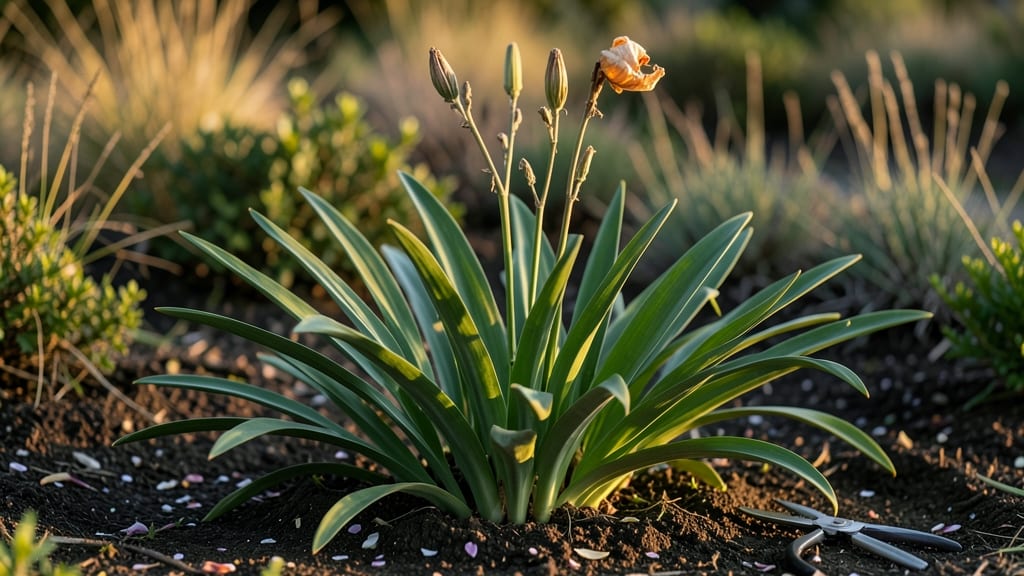
The moment your lilies fade, lily care after flowering is the unsung hero of next year’s dazzling display—skip it, and you’ll miss out on more blooms. ✨ What most gardeners overlook is that cutting back too soon or neglecting fertilizer forces lilies into dormancy early. next season.
The key is patience paired with the right timing for pruning, watering, and feeding.
Start by leaving the foliage alone until it turns completely yellow, even if it looks messy. This is how the bulb stores energy for next year’s blooms. Once the leaves brown, you can trim them back to 2 inches above the ground, but only after they’ve fully died back.
A light application of balanced fertilizer in early fall gives the bulbs a final boost before winter.
You’ll see the difference next spring: stronger stems, more buds, and blooms that last longer. The foliage might look unsightly for a few weeks, but that’s just the plant recharging. Mulch lightly after the first frost to protect the bulbs, and you’re set for another spectacular display.
This method works for Asiatic, Oriental, and Trumpet lilies alike, whether you’re growing them in garden beds or containers. The payoff is worth the wait—just don’t rush the process.
📚 In This Guide
- What you need
- Instructions
- Tips and common mistakes
- Wrapping up and next steps
What you need
- ● Pruning shears – Sharp, clean, and sterilized (bypass pruners work best; avoid dull tools that crush stems).
- ● Garden gloves – Durable, cut-resistant (nitrile-coated for extra protection).
- ● Disinfectant (70% isopropyl alcohol or bleach solution) – 1 part bleach to 9 parts water (for sterilizing tools).
- ● Compost or well-aged manure – 2–3 gallons (for enriching soil post-pruning).
- ● Balanced fertilizer (10-10-10 or 20-20-20) – Follow package rates (apply in early spring).
- ● Mulch (straw, shredded leaves, or pine needles) – 2–3 inches thick (to insulate roots).
- ● Hand trowel – For gently loosening soil around bulb bases.
- ● Garden hose with nozzle – For deep watering sessions.
- ○ Lily-specific fertilizer (e.g., bulb booster) – Optional but boosts next year’s blooms.
- ● Pest/disease monitor (e.g., aphid traps or fungicide spray) – Preventative care for peace of mind.
Step-by-Step guide to reviving lilies after blooming
Here’s how to keep your lilies thriving year after year—no guesswork, just proven aftercare.
✂️ Step 1: Deadhead and Prune Faded Blooms
Once your lilies finish blooming, snip off the spent flower stalks 1-2 inches below the last bloom using clean, sharp pruners. This prevents the plant from wasting energy on seed production and redirects it to next year’s growth. I always sterilize my pruners with rubbing alcohol first—it keeps diseases from hitching a ride to your healthy stems.
Watch for any remaining buds that might still be developing. If they’re wilted or brown, remove them entirely. But if you spot a fresh bud still trying to open, leave it—it might surprise you with a late-season bloom. Just don’t expect it to last long; lilies are energy hogs, and late blooms often mean weaker roots later.
🌿 Step 2: Cut Back Foliage Gradually
Don’t rush to trim the leaves—wait until they turn yellow or brown naturally. This process, called "yellowing," lets the plant absorb nutrients back into its bulbs for next season. I usually start pruning foliage in late fall, but only after at least 60% of the leaves have died back. Cut them back to 3-4 inches above the ground using clean shears.
Here’s the thing—if you cut leaves too early, your lilies won’t store enough energy for next year’s blooms. But if you leave them too long, they can rot in winter’s damp soil. Balance is key. For hardiness zones 5-7, I wait until the ground freezes lightly before final trimming.
💧 Step 3: Feed and Hydrate for Bulb Revival
After pruning, give your lilies a balanced, low-nitrogen fertilizer (like a 10-10-10 mix) to replenish nutrients. I apply it in early fall, just as new growth begins. Water deeply afterward to help the roots absorb it. Lilies need 1-1.5 inches of water weekly during their active growing season, but cut back in late summer to encourage dormancy.
Watch the soil around your lilies—it should feel moist but not soggy. Overwatering in fall can lead to bulb rot, while underwatering stresses the plant. Mulch with 2-3 inches of organic matter (like shredded leaves or straw) to insulate the bulbs and retain moisture. This is especially important in colder climates where freeze-thaw cycles can damage dormant bulbs.
☀️ Step 4: Prepare for Winter Dormancy
In late fall, reduce watering significantly but don’t let the soil dry out completely. Lilies need moisture to prepare for winter, but they also need a period of dormancy. I stop fertilizing entirely once the first frost hits—no late-season feeding, even if the leaves look green. The goal is to let the plant rest.
If you’re in a zone with harsh winters, add an extra 2 inches of mulch around the base of the plant. This protects the bulbs from extreme cold. In milder climates, you can leave the mulch thinner or even remove it in early spring once new shoots appear. The key is to avoid smothering the plant—lilies need airflow to prevent fungal issues.
Tips & tricks for perfect lily revival after flowering
Here's what nobody tells you about keeping your lilies strong for next season—these tricks make all the difference.
Pruning Precision: When you're deadheading in Step 1, make that cut 1-2 inches below the last bloom—not at the base. This small detail prevents unsightly regrowth while still letting the plant focus energy on bulb storage. I've seen people cut too low and end up with weak stems next spring. Sterilizing your pruners with rubbing alcohol (as mentioned) isn't just about disease—it also keeps your cuts clean for better healing.
Leaf Timing Secret: The 60% leaf die-back rule in Step 2 is non-negotiable for hardiness zones 5-7. If you're in a milder zone, you can trim slightly earlier, but never before 50% yellowing. I learned this the hard way after cutting too soon and getting no blooms the following year. The yellowing process is how lilies move nutrients back to their bulbs—rushing it means weaker storage for next season's show.
Fertilizer Timing: That early fall application of balanced fertilizer (10-10-10) in Step 3 needs to happen right as new growth begins—not before, not after. Too early and you'll encourage tender new growth that won't survive winter. Too late and you're feeding a plant that's already preparing for dormancy. Think of it as giving your lilies a final energy boost before their winter nap, but not so late they can't properly prepare for the cold.
Mulch Layer Strategy: The 2-3 inches of organic mulch in Step 3 is your winter insulation blanket, but placement matters. Pile it around the base—not over the leaves. In harsh winters, add that extra 2 inches specifically over the bulb area (where the leaves meet the soil). This creates a microclimate that protects against freeze-thaw cycles that can crack bulbs. I've seen lilies survive -10°F winters with proper mulching, but none with just a thin layer.
Pro Tips for Lily Care After Flowering
- Here's what nobody tells you about keeping your lilies strong for next season—these tricks make all the difference.
- Pruning Precision: When you're deadheading in Step 1, make that cut 1-2 inches below the last bloom—not at the base.
- Leaf Timing Secret: The 60% leaf die-back rule in Step 2 is non-negotiable for hardiness zones 5-7.
Frequently asked questions
Got questions about keeping your lilies thriving after their stunning blooms fade? You’re not alone! Here are some of the most common concerns—and expert answers—to help you navigate post-flowering care with confidence.
What should I do with lilies after they stop blooming?
Once your lilies finish flowering, don’t cut the stems immediately! Let the foliage yellow naturally—this process feeds nutrients back into the bulbs for next year’s growth. After the leaves turn brown (usually 6–8 weeks post-bloom), trim them down to 2–3 inches above the soil. This ensures energy isn’t wasted on dead foliage.
Can I cut back lilies right after they bloom?
Cutting back lilies too soon robs them of vital nutrients stored in the leaves. The foliage acts like a solar panel, converting sunlight into energy for the bulb. If you must remove spent flower stalks, snip them at the base, but leave the leaves until they’ve fully withered. Patience here = bigger blooms next season!
How do I know when it’s safe to prune lily leaves?
Wait until the leaves turn completely brown and crispy—this usually happens in late summer or early fall. If you prune too early, the bulb won’t store enough energy for next year’s growth. Pro tip: Gently tug a leaf—if it pulls away easily, it’s ready for removal.
Will cutting back lilies too late hurt them?
Pruning after the leaves have died back won’t harm the bulb, but it may reduce next year’s bloom size. The ideal window is 6–8 weeks post-flowering. If you miss the mark, don’t stress—just trim the dead foliage in early spring before new growth emerges. Over time, your lilies will adjust to your schedule!
Can I fertilize lilies after they bloom?
Yes! After flowering, switch to a low-nitrogen, high-phosphorus fertilizer (like a 5-10-10 blend) to encourage root and bulb development. Apply it lightly in early fall, then again in early spring. Avoid fertilizing once the leaves turn brown—this signals the bulb to rest.
What if my lilies don’t rebloom next year?
No blooms? Check these fixes:
- Light: Lilies need 6+ hours of sun daily.
- Water: Keep soil consistently moist but not soggy.
- Age: Older bulbs may need dividing (every 3–4 years).
- Pests: Look for chewed leaves or bulbs—treat with neem oil if needed.
Wrapping up and next steps
Caring for your lilies after they’ve bloomed doesn’t have to be complicated—just a little patience and the right steps will ensure vibrant, healthy plants ready to dazzle next season. 🌱 By pruning spent blooms, nourishing the soil, and protecting your lilies from pests, you’re setting the stage for a showstopping comeback.
Now’s the perfect time to celebrate your green thumb—grab those gardening gloves and give your lilies the love they deserve!
Ready to level up your gardening game? Check out our guide on fertilizing strategies to keep your lilies thriving year-round!