
Flowers
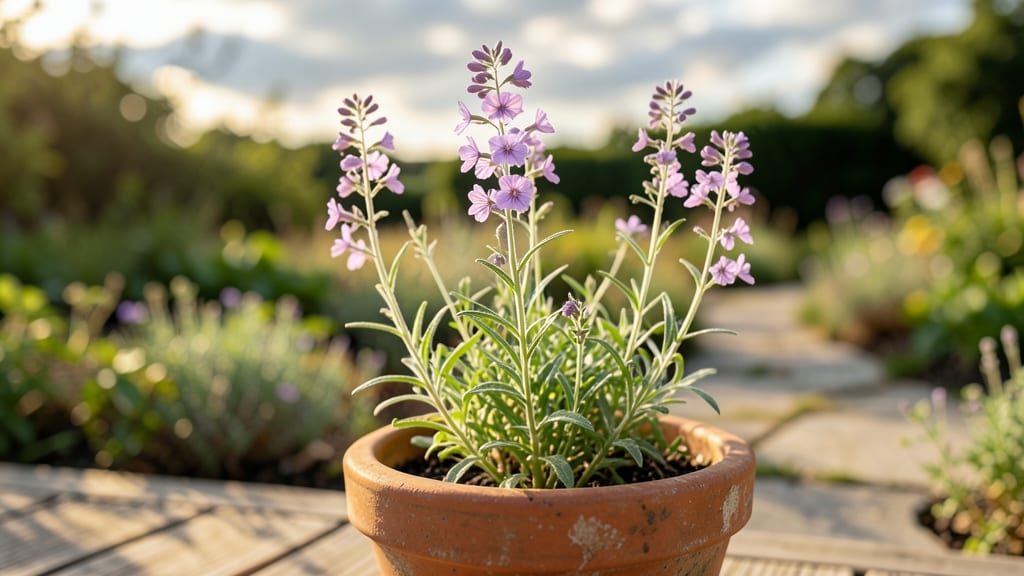
Growing Matthiola incana flowers means filling your garden with that intoxicating nighttime fragrance—like a candlelit dinner party every evening. 🌿 I first fell for these stock flowers when I spotted them in a moonlit cottage garden, their sweet scent carrying across the yard.
These bi-color blooms (white, pink, or purple) aren’t just pretty—they’re the garden’s secret nighttime performers, opening fully after dark when most flowers have called it a day.
The secret to their performance starts with well-drained soil and full sun—they’re not fussy, but they’ll reward you best with 6+ hours of sunlight daily. Seeds germinate quickly in spring or fall, while cuttings root easily if you’re feeling ambitious.
Water them consistently but avoid soggy soil—they hate wet feet. Once established, they’re surprisingly drought-tolerant, making them perfect for low-maintenance borders or containers.
You’ll see the first blooms in 6-8 weeks from seed, with the fragrance peaking at dusk. The flowers last just a day or two, but they’re replaced daily in waves, creating a continuous perfume show from early summer through fall.
Prune spent blooms to encourage more flowers, and watch them bounce back with second flushes if you deadhead regularly.
Even in cooler climates, these hardy annuals (or biennials) often self-seed, giving you free plants next season. The only real challenge? Keeping them from getting leggy—thin them early and provide support if they tower.
With the right care, your garden will smell like a romantic evening in Provence every night.
📚 In This Guide
- What you need
- Instructions
- Tips and common mistakes
- Wrapping up and next steps
What you need
- ● Seeds: High-quality Matthiola incana seeds (choose fragrant varieties like 'Moonlight' or 'Night Scented'). ~10-20 seeds per pot or bed.
- ● Potting Mix: Well-draining, sterile seed-starting mix (avoid garden soil). ~1-2 gallons per pot.
- ● Containers: Seed trays or small pots (3-4" diameter) for germination.
- ● Larger pots (6-8" diameter) or garden beds for mature plants.
- ● Grow Lights or Sunny Window: Full sun (6+ hours/day) or a grow light for indoor starts.
- ● Watering Can or Spray Bottle: Fine mist for seeds; gentle watering for seedlings.
- ● Pruning Shears: Sharp, sterilized shears for trimming dead blooms or leggy stems.
- ○ Gloves (Optional): Protect hands from soil or thorns (some varieties have mild prickles).
- ● Fertilizer: Balanced, low-nitrogen fertilizer (e.g., 5-10-10) for blooming plants. Apply every 4-6 weeks.
- ○ Mulch (Optional): Organic mulch (e.g., straw) to retain moisture and suppress weeds.
- ● Cold Frame or Greenhouse (For Year-Round Growth): Extends the growing season in cooler climates.
- ● 🌡️ Temperature: Seeds germinate best at 60–70°F (15–21°C)—use a heat mat if needed.
- ● ✨ Soil pH: Aim for 6.0–7.0 (slightly acidic to neutral) for optimal growth.
- ● 🔥 Light: Seedlings need 14–16 hours of light/day to prevent legginess.
Step-by-step instructions for cultivating Matthiola Incana flowers
Here’s how to coax those intoxicating night-scented blooms from seed to full fragrance.
🌱 Step 1: Start Seeds Indoors for Early Blooms
Sow seeds 8-10 weeks before your last frost date, as Matthiola Incana thrives with cool temperatures and won’t tolerate summer heat. Fill 2-inch deep seedling trays with a sterile seed-starting mix—never garden soil, which compacts and suffocates delicate roots. Press seeds just beneath the surface (no deeper than ¼ inch), as they need light to germinate properly.
Mist the soil lightly with a spray bottle until evenly damp—don’t oversaturate, or seeds will rot before sprouting. Cover the tray with a clear plastic dome to retain humidity and warmth. Place in a spot with consistent 65-70°F temperatures (a seedling heat mat helps if your home runs cooler). Germination takes 7-14 days, but don’t be tempted to water again until the surface feels dry to the touch.
☀️ Step 2: Provide Cool Light and Gradual Hardening
Once seedlings emerge, remove the dome immediately to prevent damping-off. Place them under grow lights (or a south-facing window) for 14-16 hours of light daily, keeping them 3-4 inches away to avoid leggy growth. Matthiola Incana dislikes heat—never let soil temperatures exceed 75°F, or blooms will bolt prematurely.
Start hardening off 2 weeks before transplanting by moving seedlings outdoors for 1-2 hours daily, gradually increasing exposure. Watch for wilting or yellowing leaves—a sign they’re not ready. Transplant on a cool, overcast afternoon to reduce shock, spacing plants 12-18 inches apart in well-draining soil.
💧 Step 3: Water Deeply and Deadhead for Prolonged Blooms
Water deeply once a week, soaking the 6-inch root zone and allowing excess to drain. Matthiola Incana’s taproot hates soggy soil—yellowing lower leaves signal overwatering. Mulch with 1-2 inches of organic matter (like straw) to retain moisture and suppress weeds, but keep mulch 2 inches away from stems to prevent rot.
Deadhead spent blooms daily to encourage continuous flowering. The stronger the fragrance at night, the more you’ll need to trim—pinch back leggy stems to promote bushier growth. Fertilize lightly with a balanced 10-10-10 formula every 4-6 weeks during the growing season, but avoid nitrogen-heavy feeds, which reduce floral scent.
✂️ Step 4: Extend the Season with Strategic Pruning
As temperatures rise above 80°F, Matthiola Incana will bolt. To delay this, prune back ⅓ of the plant in early summer, cutting just above a set of leaves. This trick forces new growth and prolongs blooming. In fall, cut back stems to 6 inches and apply a 2-inch layer of mulch to protect roots from freezing.
For year-round fragrance, grow Matthiola Incana in containers and move them to shaded spots during peak summer heat. The key is consistent coolness—even a brief heatwave can stunt blooms. With proper care, your plants will reward you with weeks of intoxicating nighttime scent, making your garden a fragrant haven after dark.
Tips & tricks for perfect Matthiola Incana flower cultivation
These insider strategies will help you coax the most fragrant blooms from your Matthiola Incana plants.
Seed Starting Precision: The 8-10 week indoor head start is non-negotiable for cool-season plants like Matthiola Incana. Use a seedling heat mat to maintain those 65-70°F temperatures—any cooler and germination slows dramatically. I've found that placing trays on top of refrigerators (with a towel barrier) works surprisingly well when heat mats aren't available. The key is consistency; temperature fluctuations during germination can cause uneven sprouting.
Lighting Strategy: Those 14-16 hours of daily light are critical for preventing leggy seedlings. If using grow lights, position them 3-4 inches above the plants and adjust height as they grow. I've noticed that Matthiola Incana seedlings actually prefer slightly cooler light temperatures than many other plants—if leaves develop a reddish tint, they're getting too much heat from the lights.
Hardening Off Technique: The 2-week hardening process in Step 2 is where most gardeners fail. Start with just 1-2 hours daily in partial shade, then gradually increase exposure. Watch for subtle signs like slightly curled leaves—they're telling you to slow down. I always harden off in the morning when temperatures are cooler, and bring plants back indoors before afternoon heat builds.
Season Extension Hack: For container-grown Matthiola Incana, use black plastic pots to absorb heat during summer months. The dark surface stays cooler than regular pots, helping maintain those critical below 80°F temperatures. This simple trick has extended my blooming season by nearly 3 weeks in hot climates. Place containers on elevated stands to improve air circulation around the base.
Pro Tips for Matthiola Incana Flower
- These insider strategies will help you coax the most fragrant blooms from your Matthiola Incana plants.
- Seed Starting Precision: The 8-10 week indoor head start is non-negotiable for cool-season plants like Matthiola Incana.
- Lighting Strategy: Those 14-16 hours of daily light are critical for preventing leggy seedlings.
Frequently asked questions
Got questions about growing Matthiola incana? You’re in the right place!
Whether you’re a newbie or a seasoned gardener, these answers will help you cultivate fragrant night-scented blooms like a pro.
How long does it take for Matthiola incana to flower after planting?
With proper care, Matthiola incana typically blooms 8–12 weeks after sowing seeds. For faster results, opt for young plants from nurseries (they may flower in 6–8 weeks). Patience pays off—these beauties reward you with heavy, long-lasting blooms!
Can Matthiola incana survive in hot climates?
While it thrives in cool to moderate temperatures (50–75°F), Matthiola incana can struggle in extreme heat or humidity. To keep it happy, provide afternoon shade in summer and ensure well-draining soil. Mulching helps retain moisture—critical for preventing bolting or leaf drop.
Why aren’t my Matthiola incana flowers opening at night?
Night-blooming flowers like Matthiola incana may skip their nocturnal show due to bright artificial lights, stress from heat/drought, or overcrowding. Try moving the plant to a darker, cooler spot in the evening or reduce watering slightly to encourage natural blooming cycles.
What’s a good alternative if Matthiola incana is hard to find?
If you’re struggling to locate Matthiola incana, consider these fragrant night-bloomers:
- Evening Primrose (Oenothera spp.) – Hardy, low-maintenance, and highly fragrant.
- Moonflower (Ipomoea alba) – Fast-growing vine with intense nighttime perfume.
- Sweet Alyssum (Lobularia maritima) – Compact, sweet-scented, and great for borders.
Are Matthiola incana flowers toxic to pets?
While Matthiola incana isn’t highly toxic, it can cause mild stomach upset if ingested in large quantities. Keep pets away from chewing the leaves or flowers. If you’re unsure, consult your vet or opt for pet-safe alternatives like Lavender or Marigolds.
Wrapping up and next steps
Growing Matthiola incana—the enchanting night-scented stock—is a rewarding journey that brings fragrant blooms and year-round beauty to your garden. Whether you’re a seasoned gardener or just starting, these delicate flowers thrive with minimal fuss, offering heavenly aromas that elevate any outdoor space. 🌙✨
Ready to dive in? Start by gathering your supplies, choosing the perfect spot, and following the simple steps outlined above. With patience and care, you’ll soon be enjoying the romantic scent of these night-blooming stars—one fragrant season at a time!
Next step: Mark your calendar for planting and maintenance—your garden (and senses!) will thank you. 🌱💐