
Flowers
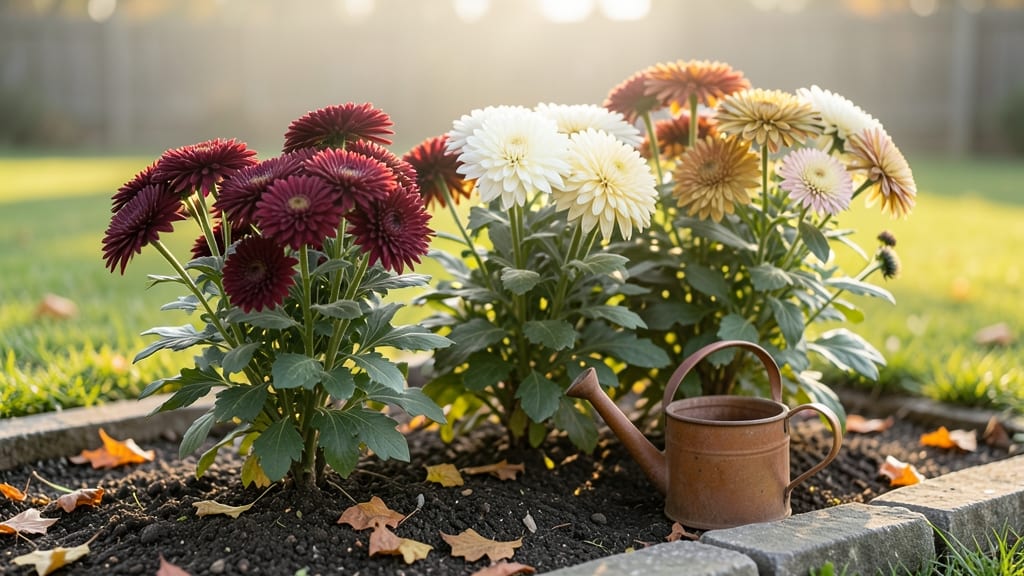
Caring for these mums flowers outdoors in the Pacific Northwest means embracing their love of cool weather and damp air—something most gardeners get wrong by treating them like summer annuals. 🌿 I’ve grown mums here for years, and the secret isn’t coddling. them in heat but letting them thrive in the crisp autumn air, where they’ll reward you with blooms that last until frost.
The key is understanding their natural rhythm: plant them early, feed them right, and protect them from winter’s chill without smothering their resilience.
Start with well-draining soil rich in organic matter—they hate soggy roots but love moisture in their top layer. Six hours of sunlight daily keeps them blooming, while consistent watering (about 1 inch per week) prevents the floppy stems that signal stress.
Fertilize lightly in early spring with a balanced formula, then switch to a bloom booster in late summer to extend their flowering season. Prune spent blooms regularly to encourage more flowers, but avoid heavy cuts—mums bloom on new growth, not old wood.
When winter arrives, mums here don’t need dramatic protection. A 3-inch layer of mulch around the base insulates roots from freezing temperatures, while evergreen boughs draped lightly over clumps shield them from wind.
In spring, cut back stems by half to encourage fresh, vigorous growth. The result? Mums that bounce back year after year, their bright faces lighting up gardens long after summer’s over.
This approach works for both standard and dwarf varieties, whether you’re planting in beds, containers, or even window boxes. The only real mistake is assuming they’re delicate—once you let them grow on their own terms, they become the hardiest, most reliable bloomers in your garden.
Ready to make them your go-to fall star?
📚 In This Guide
- What you need
- Instructions
- Tips and common mistakes
- Wrapping up and next steps
What you need
- ● Mums (Chrysanthemums): Hardy varieties like ‘Dwarf Bonanza,’ ‘Marmalade,’ or ‘Bright Golden Anne’ (3–5 plants per container or 1–2 per square foot in garden beds).
- ● Well-draining potting mix: 1 part peat moss, 1 part perlite, and 2 parts garden soil (5–10 gallons, depending on container size).
- ○ Containers (optional but recommended for PNW winters): Large pots (12–18 inches in diameter) with drainage holes.
- ● Or, raised garden beds (12+ inches deep) if planting in-ground.
- ● Slow-release fertilizer: 10-10-10 or 14-14-14 blend (1–2 tbsp per plant or per square foot).
- ● Mulch: 3–4 inches of straw, shredded bark, or pine needles to insulate roots.
- ● Watering can or hose with gentle spray nozzle.
- ● Pruning shears (sterilized).
- ● Garden gloves and knee pads (for comfort!).
- ● Frost cloth or burlap sacks: Lightweight fabric to protect from heavy rain/snow (1–2 per plant or container).
- ● Cold-hardy mulch: Straw or leaves (avoid grass clippings—they mat down) for extra insulation.
- ○ Plant supports (optional): Stakes or cages if your mums grow tall (e.g., ‘Dynasity’ series).
- ○ Thermometer (optional): To monitor soil temps—ideal range: 40–60°F.
Step-by-step instructions for growing hardy mums in the Pacific Northwest
Here's how to keep your mums blooming reliably through wet winters and cool summers.
🌱 Step 1: Plant Mums in Well-Draining Soil with Full Sun
Choose a location that gets at least 6 hours of direct sunlight daily. Mums thrive in well-draining soil—amend heavy clay with 2-3 inches of compost to improve aeration. Dig a hole twice as wide as the root ball but only as deep as the container's depth. This prevents settling that buries the crown too deeply.
Gently remove the plant from its container and loosen any circling roots with your fingers. Place it in the hole so the top of the root ball sits 1 inch below soil level. The crown (where stems meet roots) should never be buried—this causes rot in our damp climate. Backfill with native soil mixed with compost, then water deeply to settle everything.
💧 Step 2: Water Deeply but Infrequently After Establishment
Water newly planted mums every 2-3 days until new growth appears, keeping the soil evenly moist but not soggy. Once established (after 4-6 weeks), reduce to once weekly during dry spells—mums hate wet feet. You'll know it's time to water when the top 1-2 inches of soil feel dry to your touch.
In the Pacific Northwest's rainy season, cut back to watering only when blooms begin to wilt. Overwatering in cool, damp weather stresses plants and invites fungal diseases. Always water at the base, avoiding foliage to prevent mildew. A 5-gallon watering can with a gentle spray nozzle works perfectly.
☀️ Step 3: Feed and Prune for Continuous Blooms
Apply a balanced 10-10-10 fertilizer at half-strength when you see new growth in early spring. Repeat every 4-6 weeks through summer to encourage prolific blooming. Stop fertilizing by mid-August—this helps harden off plants for winter. I always use a slow-release granular fertilizer for steady nutrition without burning roots.
Deadhead spent blooms regularly by pinching off the flower head down to the first set of healthy leaves. This redirects energy to new buds instead of seed production. For a bushier plant, trim back leggy stems by one-third after the first flush of blooms in early summer. Never cut into old wood—always prune above a leaf node where new growth can emerge.
✂️ Step 4: Prepare for Pacific Northwest Winters
Once temperatures drop below 40°F at night, stop fertilizing and reduce watering to once every 10-14 days unless we get prolonged dry spells. Mums are hardy to 10°F, but our wet winters can rot crowns if they sit in soggy soil. Mulch with 2-3 inches of shredded bark around (not against) the stems to insulate roots while allowing airflow.
In late winter, check for dead foliage and trim it back to 2-3 inches above the crown. New growth will emerge from the base in early spring. If you notice any blackened stems, cut them off immediately—they won't regrow. A light application of compost tea in early spring jumpstarts microbial activity in the soil for healthier roots.
Tips & tricks for growing hardy mums in the Pacific Northwest
Let me share the hard-won lessons that'll keep your mums thriving through our region's unique challenges.
Sunlight Strategy: While the instructions call for at least 6 hours of sunlight, I've found that mums in the PNW actually benefit from morning sun and afternoon shade during our hot summer afternoons. This prevents leaf scorch while still giving them enough light to bloom prolifically. If your garden gets intense afternoon sun, consider planting near taller shrubs that'll provide natural shade later in the day.
Soil Prep Secret: Before amending with compost, I always do a quick soil test for our heavy clay soils. If the pH is below 6.0, I add a handful of lime to the planting hole—mums prefer slightly acidic to neutral soil (6.0-6.5). This small adjustment makes a huge difference in how well they establish and bloom. The 2-3 inches of compost mentioned is perfect, but mix it thoroughly with native soil rather than creating a separate compost layer.
Watering Wisdom: The instructions mention checking the top 1-2 inches of soil, but I've learned to go deeper—stick your finger 3 inches down. Our cool, damp climate means the top layer can stay moist while roots are actually thirsty. This is especially important during our dry summer months when evaporation rates increase. The 5-gallon watering can recommendation is spot-on for deep watering—aim for slow, deep watering rather than frequent light showers.
Winter Protection: That 2-3 inches of shredded bark mulch is crucial, but here's what nobody tells you—leave space around the stems to prevent moisture buildup. I always create a small "mulch volcano" that slopes away from the center. Also, if we get particularly wet winters, I'll add a layer of straw on top of the bark to shed excess water while still providing insulation. This two-layer approach has saved many a mum from crown rot in our damp climate.
Pro Tips for Mums Flowers Care Outdoors
- Let me share the hard-won lessons that'll keep your mums thriving through our region's unique challenges.
- Sunlight Strategy: While the instructions call for at least 6 hours of sunlight, I've found that mums in the PNW actually benefit from morning sun and afternoon shade during our hot summer afternoons.
- Soil Prep Secret: Before amending with compost, I always do a quick soil test for our heavy clay soils.
Frequently asked questions
Got questions about keeping your mums blooming in the Pacific Northwest’s chilly climate?
Here are answers to the most common concerns—so you can enjoy vibrant flowers year after year!
How cold can mums handle before they need winter protection?
Most mums thrive in USDA Zones 5-9, but PNW winters can push temps below freezing. Once nighttime temps drop to 25°F (-4°C), mulch heavily (3-4 inches) and cover with burlap or frost cloth. Hardy varieties like ‘Autumn Joy’ or ‘Pardon Me’ tolerate 15°F (-9°C) with proper prep!
When should I cut back mums after the first frost?
Wait until late winter or early spring (February–March) to trim back stems to 2–3 inches above the ground. Cutting too soon removes energy reserves, while waiting too long risks rot or pests. Pro tip: Wear gloves—mums can be spiky!
Can I grow mums in containers outdoors year-round in the PNW?
Yes! Use large pots (12"+ diameter) with drainage holes and a well-draining soil mix. Overwinter containers by moving them to a garage or sheltered porch (above freezing) or wrapping pots in bubble wrap. Water sparingly—overwatering in cold temps = root rot.
Why are my mums not blooming this year?
Common culprits:
- Too much nitrogen: Fertilize with low-N, high-P (phosphorus) in early spring.
- Overcrowding: Space plants 12–18 inches apart for airflow.
- Late pruning: Trim after first frost (never in fall).
- PNW shade: Mums need 6+ hours of sun—move to sunnier spots!
How do I prevent pests like slugs or spider mites on outdoor mums?
Use organic barriers like copper tape (slugs) or neem oil spray (mites). For heavy infestations, handpick pests early morning or use diatomaceous earth (food-grade only). Water at the base to avoid fungal issues from wet foliage.
Can I divide my mums to create more plants?
Divide mums in early spring (March–April) when shoots emerge. Dig up clumps, separate into 3–5 inch sections with roots, and replant. Warning: Mums don’t like disturbance—only divide every 2–3 years or risk stunted growth.
Wrapping up and next steps
Caring for mums outdoors in the Pacific Northwest’s chilly winters is totally doable—just remember to protect them from frost, feed them well, and give them a cozy winter retreat when needed.
With the right prep, your chrysanthemums will reward you with vibrant blooms year after year, turning your garden into a seasonal masterpiece. 🌸
Ready to put your newfound mum expertise to work? Start by assessing your garden this fall—plant new varieties, mulch existing ones, and mark your calendar for next winter’s care. Happy gardening!