Companion Plants
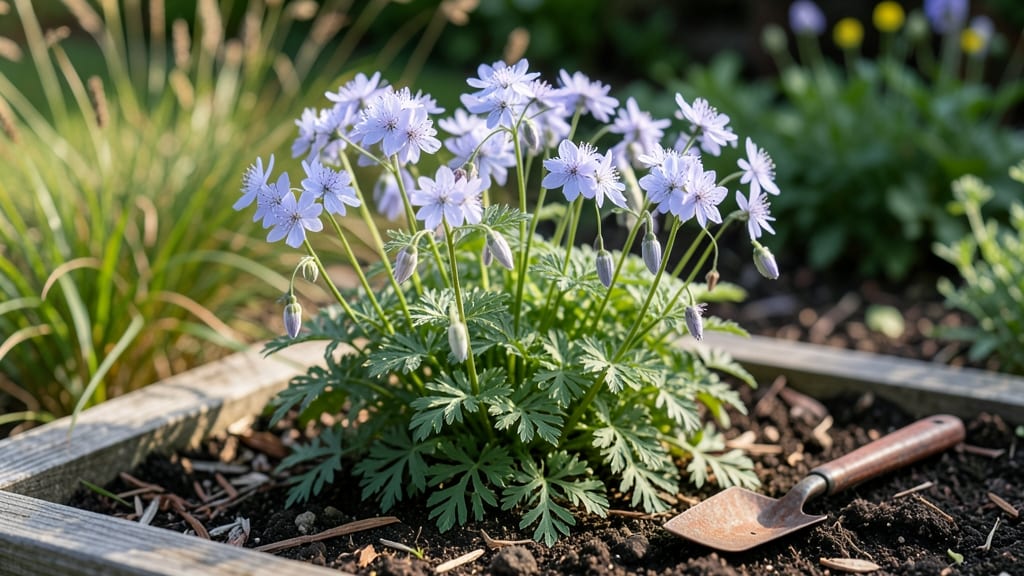
Nigella plants flower with striking black-lace blooms that dance in the breeze—my garden’s secret weapon for drawing bees and butterflies while adding drama to borders. 🌿 The key to their showstopping display starts with the right soil and sunlight, but don’t worry: they’re forgiving once established.
I’ve grown them in everything from poor, rocky soil to rich garden beds, and they always deliver those delicate, papery petals by midsummer.
These self-seeding annuals thrive in full sun to partial shade, making them perfect for sunny borders or even container gardens. Water lightly—too much moisture causes rot—but they bounce back from neglect better than most flowers.
The real magic happens when they pop up unexpectedly the next year, creating a natural, airy tapestry of seed pods that hum with life. My first batch surprised me by returning for three seasons straight.
You’ll fall in love with their fragrant, lacy blooms in shades of blue, white, or black, plus the way they attract pollinators like magnets. Deadhead spent flowers to encourage more blooms, but leave the seed heads for winter interest—they’re a bird’s buffet and a gardener’s joy.
Nigella’s effortless charm makes it a must-have for pollinator-friendly gardens, whether you’re a beginner or a seasoned grower.
Works beautifully in cottage gardens, wildflower meadows, or even as a cut flower—just snip stems before they fully mature. The secret? Plant them early in spring or late summer for the best display. Let’s get those seeds in the ground!
📚 In This Guide
- What you need
- Instructions
- Tips and common mistakes
- Wrapping up and next steps
What you need
- ● Nigella seeds: Choose varieties like Nigella damascena (Love-in-a-Mist) or Nigella sativa (for culinary use). Buy 1–2 packets (50–100 seeds each) for a small garden or 3+ packets for a full border.
- ● Well-draining potting mix: 5–10 gallons (depending on pot size). Use a blend with 50% compost and 50% perlite/sand for optimal aeration.
- ● Containers or garden bed: Containers: 5–7" deep pots (1–2 plants per pot) with drainage holes.
- ● Garden bed: A sunny spot (6+ hours of light) with loose, well-draining soil (amend with 1 inch of compost per square foot).
- ● Watering can or hose: With a gentle spray nozzle to avoid disturbing seeds.
- ○ Gloves (optional): For handling soil or seeds if you have sensitive skin.
- ● Trowel or small shovel: For transplanting or loosening soil.
- ● Plant labels: 50+ labels (if sowing multiple varieties) to track varieties.
- ○ Mulch (optional): 1–2 inches of straw or shredded leaves to retain moisture and suppress weeds.
- ○ Fertilizer (optional): Balanced liquid fertilizer (10-10-10) or compost tea for seedlings.
- ● Avoid high-nitrogen fertilizers—Nigella thrives in lean soil!
- ○ Pollinator-friendly companions (optional): Plant marigolds, lavender, or borage nearby to attract bees and butterflies.
How to grow nigella plants for striking pollinator-friendly blooms
Here's the straightforward method I use to coax those signature black lace flowers from nigella seeds.
🌱 Step 1: Choose and Prepare Your Planting Site
Nigella thrives in full sun with at least 6-8 hours of direct light daily. The reason I always plant mine in spring is that they tolerate light frost but despise summer heat—so aim for a spot that gets morning sun and afternoon shade if you're in a hotter climate. Amend the soil with 2-3 inches of compost to improve drainage, since nigella hates soggy roots.
Loosen the soil to a depth of 6 inches with a garden fork, breaking up any compacted layers. Nigella seeds are tiny, so you'll want a fine, crumbly texture that won't bury them too deeply. I like to work in a handful of coarse sand if my soil tends to stay damp, as this helps prevent rot.
🌱 Step 2: Sow Seeds Directly in the Garden
Sprinkle nigella seeds ¼ inch deep—just barely covering them—because they need light to germinate properly. I like to scatter them randomly rather than in neat rows, as they self-seed beautifully and create natural drifts in the garden. Space them 12-18 inches apart to allow for mature plants that can reach 18-24 inches tall.
Water gently after sowing to settle the seeds, but don't soak the soil. Overwatering at this stage can wash seeds deeper than they should be. You'll know you've done it right when the soil surface looks slightly damp but not glistening. Once planted, nigella seeds typically germinate in 10-21 days, though they can take longer in cooler weather.
☀️ Step 3: Provide Minimal Care for Healthy Growth
Nigella is remarkably low-maintenance once established. Water deeply once a week during dry spells, allowing the top 2 inches of soil to dry out between waterings. The key here is to avoid wetting the foliage, as this can encourage fungal diseases. I usually water in the early morning so any moisture on the leaves has time to evaporate before evening.
Fertilizer isn't necessary, but if your soil is particularly poor, a light application of balanced 10-10-10 fertilizer in early spring can encourage stronger growth. Watch for leggy stems—this usually means the plants need more light. If you notice stems stretching toward the sun, move them to a sunnier spot or provide afternoon shade to prevent heat stress.
✂️ Step 4: Encourage Blooms and Maintain the Garden
Nigella flowers typically appear 8-10 weeks after sowing, though some varieties may take longer. Deadhead spent blooms by snipping them off at the base to encourage more flowers and prevent self-seeding where you don't want it. The black lace flowers are a magnet for pollinators like bees and butterflies, so resist the urge to remove them entirely—let a few go to seed for next year's garden.
After flowering, the seed pods develop into charming papery lanterns that add winter interest. Leave some pods on the plant to dry and open naturally, scattering seeds for next season's display. In late fall, cut back the stalks to 2 inches tall and add the debris to your compost pile. Nigella is a self-sufficient plant that often returns year after year from its own seed.
Tips & tricks for perfect nigella blooms
Here's what I've learned after growing these striking plants for years—the little details that make all the difference for those signature black lace flowers.
Sunlight Strategy: While nigella thrives in full sun, I've found the 6-8 hours of direct light should ideally be morning sun with afternoon shade in hotter climates. This prevents heat stress that can cause flowers to bolt prematurely. If you're in a particularly sunny region, consider planting near taller perennials that will provide natural afternoon shade as they grow.
Seed Germination Secret: The ¼-inch deep planting is critical—these tiny seeds need light to germinate, but too much depth smothers them. I've had best success by sprinkling seeds on slightly damp soil and barely pressing them in with my fingertip. For cooler climates, you can start seeds indoors 4-6 weeks before your last frost date, then transplant seedlings once temperatures stabilize.
Watering Wisdom: The once-weekly deep watering rule works beautifully, but I've learned to adjust based on rainfall. After a heavy rain, skip watering entirely—nigella's drought-tolerant once established. The key is that top 2 inches of soil should dry out between waterings. I use a soil moisture meter to check, especially during summer droughts when evaporation rates increase dramatically.
Bloom Extension: For continuous flowering throughout the season, I've developed a simple trick: as soon as the first flowers open, I remove just the faded blooms while leaving the seed pods intact. This encourages new flowers to form while still allowing some pods to mature for next year's garden. The plants respond beautifully to this gentle pruning, often producing a second flush of blooms in late summer.
Pro Tips for Nigella Plants Flower
- Here's what I've learned after growing these striking plants for years—the little details that make all the difference for those signature black lace flowers.
- Sunlight Strategy: While nigella thrives in full sun, I've found the 6-8 hours of direct light should ideally be morning sun with afternoon shade in hotter climates.
- Seed Germination Secret: The ¼-inch deep planting is critical—these tiny seeds need light to germinate, but too much depth smothers them.
Frequently asked questions
When do nigella plants flower?
Nigella (commonly called "love-in-a-mist") typically blooms 6-8 weeks after sowing, usually between late spring and early summer. For extended flowering, sow seeds in succession every 2-3 weeks—this ensures a cascade of black-lace blooms all season long. Pro tip: Deadhead spent flowers to encourage more blooms!
How long does it take for nigella seeds to germinate?
Patience is key! Nigella seeds can take 2-4 weeks to germinate, especially in cooler soil. For faster results, soak seeds overnight before planting or use a seedling heat mat (70°F). Once sprouted, seedlings grow slowly—don’t rush them! Fun fact: Their unique texture makes them a favorite for dried flower arrangements too.
Are nigella flowers good for pollinators?
Nigella flowers are a pollinator magnet, attracting bees, butterflies, and hoverflies with their nectar-rich blooms. Their self-cleaning seed pods also provide late-season food for birds. Plant them alongside lavender, marigolds, or borage for a buzzing, biodiverse garden.
Can nigella grow in containers or hanging baskets?
Yes! Nigella thrives in containers and hanging baskets, making it perfect for patios or small spaces. Use a well-draining potting mix and ensure the container has drainage holes. For a vertical display, let the trailing stems spill over edges—just avoid overwatering to prevent root rot.
What can I do if my nigella isn’t flowering?
If your Nigella is leafy but not blooming, try these fixes:
- More sunlight: Ensure it gets 6+ hours of sun daily—partial shade may delay flowers.
- Deadhead spent blooms: Removing faded flowers redirects energy to new buds.
- Check soil fertility: Overly rich soil can produce more leaves than flowers. Use low-fertility soil or compost sparingly.
- Thin seedlings: Overcrowding stresses plants—space them 8-12 inches apart.
Wrapping up and next steps
Growing Nigella plants is a rewarding way to add striking black-lace blooms and support pollinators in your garden! These low-maintenance beauties thrive with minimal fuss, offering both aesthetic charm and ecological benefits.
Whether you’re a seasoned gardener or just starting, their resilience and self-seeding nature make them a perfect addition to any landscape.
Ready to transform your garden? Start by planting a few seeds this season—your pollinators (and your eyes!) will thank you. Happy gardening! 🌸🐝