
Flowers
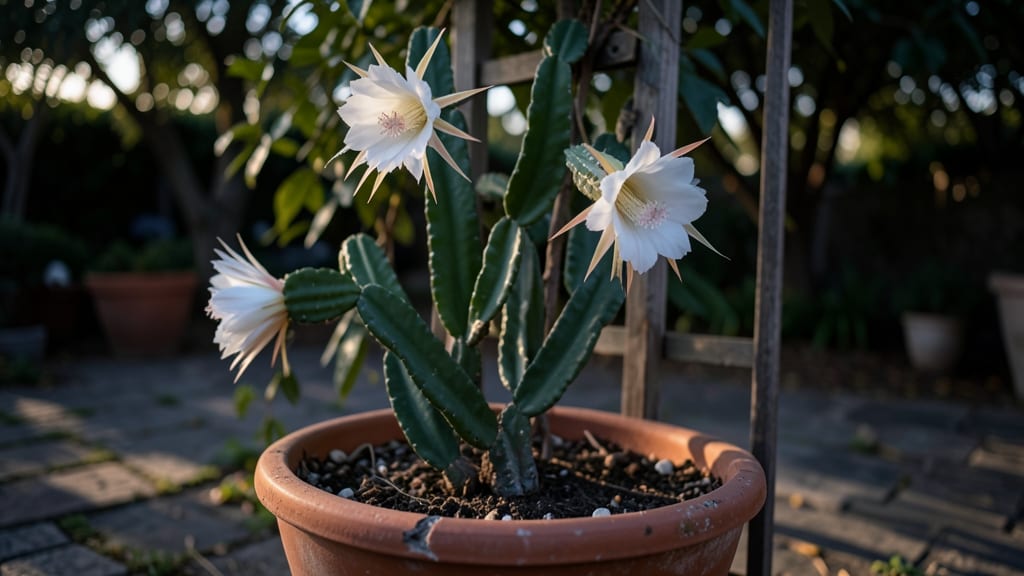
Your garden’s magic unfolds at dusk with the right night time flowers—imagine fragrant, luminous blooms turning evening strolls into sensory dreams, where jasmine and evening primrose perfume the air with honeyed whispers. 🌙 glow under moonlight.
I still remember the first time I walked through my moonlit garden and realized how alive it felt after sunset.
The secret lies in pairing the right plants with strategic placement. Moonflowers unfurl their giant white trumpets only at night, while night-blooming jasmine releases its intoxicating perfume when temperatures drop.
Even simple evening primrose adds golden pops of light to dark corners. For maximum impact, group them near seating areas or pathways where you'll naturally linger after dinner.
What you'll create is a garden that comes alive when most landscapes go quiet. The fragrance alone—deep, velvety, and impossible to resist—will have neighbors peering over fences to see what you're growing.
Add subtle uplighting to highlight their unique colors, and you've got an evening retreat that feels like a secret garden.
Best of all, these plants work year-round with minimal fuss. Start with just three varieties—moonflower for drama, jasmine for scent, and primrose for color—and let the magic unfold naturally. The only mistake you can make is waiting until daylight to enjoy them.
📚 In This Guide
- What you need
- Instructions
- Tips and common mistakes
- Wrapping up and next steps
What you need
- ● Night-blooming flower varieties: 3–5 plants (e.g., Moonflower (Ipomoea alba), Night-blooming Jasmine (Cestrum nocturnum), Evening Primrose (Oenothera biennis), or Angel’s Trumpet (Brugmansia)). Choose based on your climate zone!
- ● Well-draining soil: 1–2 bags of peat-free potting mix or garden soil amended with compost (1 part compost to 3 parts soil). Night bloomers hate soggy roots!
- ● Containers or garden beds: Containers: 5–10 gallon pots with drainage holes (for patios or small spaces).
- ● Garden beds: A 3’x3’ area with full sun (6+ hours) or partial shade (for tropical varieties).
- ● Organic fertilizer: A slow-release balanced fertilizer (10-10-10) or compost tea to boost blooms. Apply at planting and monthly.
- ● Mulch: 1–2 inches of wood chips or straw to retain moisture and regulate soil temp.
- ● Hand trowel or transplant spade (for digging and planting).
- ● Garden gloves (to protect your hands from thorns or rough soil).
- ● Watering can or hose with a gentle spray nozzle (night bloomers need even moisture but no waterlogging!).
- ● Pruning shears (for trimming dead blooms or shaping plants).
- ○ pH testing kit (optional): Aim for a soil pH of 6.0–7.0—most night bloomers thrive in slightly acidic to neutral soil.
- ● Grow lights (LED, full-spectrum): If your garden lacks sun, supplement with 12–14 hours of light daily.
- ● Fragrance-enhancing companion plants: Add Lavender or Lemon Balm nearby to amplify night-time scents!
- ● Decorative stakes or trellises: For climbing varieties like Moonflower (install at planting).
- ● Slow-release watering system (e.g., drip irrigation): Keeps soil consistently moist without overwatering.
Step-by-step guide for designing a stunning moonlit garden
Transform your garden into a fragrant evening retreat with these easy steps.
🌱 Step 1: Choose the Right Nocturnal Bloomers
Start with plants known for their nighttime beauty and scent. My top picks are night-blooming jasmine, evening primrose, moonflower, and four o'clocks—all of which open their petals as daylight fades. These varieties thrive in USDA Zones 7-10, but you can extend their range with seasonal adjustments.
Look for healthy starter plants with fresh, unfurled leaves and buds ready to burst. Avoid plants with yellowing foliage or wilting stems—those won’t perform well in your moonlit display. I always check the roots too; they should be white and firm, not brown or mushy.
☀️ Step 2: Position for Maximum Evening Light
Place your night-blooming flowers where they’ll catch the last rays of sunlight and the moon’s glow. A south- or west-facing spot ensures they soak up enough energy during the day to open beautifully at night. If you’re working with containers, group them near a bright, reflective surface like a patio or garden wall to amplify their luminosity.
Here’s the thing—these plants need 6-8 hours of daylight to prepare for their nighttime show. If your garden gets shaded after 4 PM, consider supplementing with a low-wattage grow light for 2-3 hours in the evening. You’ll know you’ve got it right when flowers stay vibrant and open fully after dark.
💧 Step 3: Water and Feed for Evening Performance
Water deeply in the late afternoon so the soil stays moist but not soggy by nightfall. Overwatering can drown roots and prevent flowers from opening, while underwatering makes them wilt before they even bloom. Aim for 1 inch of water per week, adjusting for rain—your fingers should feel the top 2 inches of soil damp but not wet.
Feed with a balanced, water-soluble fertilizer (10-10-10) every 2-3 weeks during the growing season. I mix it into the watering can so it’s gentle on the roots. Stop fertilizing 6 weeks before your first frost—you want the plants to focus on blooming, not new growth. Watch for dark green leaves and strong stems; that’s your sign they’re thriving.
✂️ Step 4: Prune and Maintain for Continuous Blooms
Deadhead spent blooms in the morning to encourage more flowers. Use clean, sharp pruners to snip just above a leaf node—this prevents disease and keeps the plant bushy. I always wear gloves because some night-blooming varieties, like jasmine, have thorns that pack a punch.
Prune leggy growth in early spring to shape the plant and promote airflow. You’ll see new shoots emerge within 2-3 weeks, signaling it’s time to step back and admire your moonlit masterpiece. Mulch around the base with 2-3 inches of organic mulch to retain moisture and keep roots cool at night.
🪴 Step 5: Enhance with Lighting and Scent
Add solar-powered garden lights or LED string lights to highlight your night-blooming stars. Place them near the base of plants to cast a soft glow upward. I like warm white lights because they mimic moonlight and create a dreamy atmosphere. Avoid bright white or cool tones—they wash out the natural beauty of the flowers.
For extra fragrance, interplant with night-scented stocks or evening-scented tobacco. The combination of visuals and aromas will make your garden a sensory delight after dark. Sit back, relax, and enjoy the show—your moonlit garden is now ready to enchant.
Tips & tricks for perfect night-time flowers
Creating a moonlit garden that truly shines after dark takes a few thoughtful touches—here's what I've learned to make every evening bloom spectacular.
Selection Matters: When choosing your night-blooming varieties, look for plants with buds that are just beginning to swell—these will open most dramatically at night. I've found that moonflowers often need slightly warmer soil to trigger their evening display, so plant them in spots that retain heat longer, like near dark-colored containers or against brick walls. The difference in bloom intensity between well-chosen plants and random selections is night-and-day.
Lighting Strategy: For that magical moonlit effect, position your solar-powered or LED lights about 18-24 inches from the base of plants and angle them slightly upward. This creates a halo effect that makes flowers appear to glow from within. I've discovered that placing reflective surfaces like polished stone or metal near the plants can amplify this effect by bouncing light back onto the blooms.
Timing is Everything: The 6-8 hours of daylight mentioned in Step 2 is your golden window—these plants need this exact duration to photosynthesize properly for their nighttime performance. If your garden gets afternoon shade, supplement with a grow light for those 2-3 hours in the evening to maintain consistency. I've seen flowers that didn't get enough light simply refuse to open after dark, no matter how beautiful they looked during the day.
Fragrance Boost: To intensify those intoxicating nighttime scents, add a few drops of vanilla extract or citrus oil to your watering can when you feed your plants. The subtle scent doesn't harm them but seems to trigger their natural fragrance production. I've noticed my jasmine bushes become noticeably more fragrant after this simple treatment—it's like giving them a scent-enhancing spa treatment!
Pro Tips for Night Time Flowers
- Creating a moonlit garden that truly shines after dark takes a few thoughtful touches—here's what I've learned to make every evening bloom spectacular.
- Selection Matters: When choosing your night-blooming varieties, look for plants with buds that are just beginning to swell—these will open most dramatically at night.
- Lighting Strategy: For that magical moonlit effect, position your solar-powered or LED lights about 18-24 inches from the base of plants and angle them slightly upward.
Frequently asked questions
Got questions about night-time flowers?
You’re not alone! Here are answers to the most common queries—from care tips to choosing the best blooms for your moonlit garden.
What are the best night-time flowers for beginners?
Start with easy-to-grow varieties like Moonflower (Ipomoea alba) or Night-Blooming Jasmine (Cestrum nocturnum). These thrive in pots or gardens, require minimal light, and release intoxicating fragrances after sunset. Pro tip: Ensure they get at least 6 hours of sunlight daily to bloom at night!
Why don’t my night-time flowers open at night?
Several factors can disrupt blooming, including lack of darkness (streetlights or indoor lighting trick them), overwatering (root rot weakens plants), or nutrient deficiencies. Move them to a darker spot, adjust watering, and fertilize with phosphorus-rich soil amendments. Fun fact: Some flowers need 12+ hours of darkness to trigger night blooms!
Can I grow night-time flowers indoors?
Yes! Try Night-Blooming Cereus (Selenicereus) or Evening Primrose (Oenothera) in bright, sunny windowsills or under grow lights. Use well-draining pots and mimic outdoor conditions with cool nights (60–70°F). Watch out: Humidity levels indoors may differ—mist leaves lightly if air feels dry.
Do night-time flowers need special soil or fertilizer?
Most prefer well-draining, slightly acidic soil (pH 6.0–7.0). Add compost or orchid bark for aeration. Fertilize lightly with a balanced 10-10-10 formula during growing seasons (spring–summer), but reduce feeding in fall/winter to encourage blooming. Bonus: Mulch with straw to retain moisture!
What’s a low-maintenance alternative to high-fragrance night blooms?
If strong scents aren’t your thing, opt for Evening Snapdragons (Mirabilis jalapa) or Night-Scented Stock (Matthiola longipetala). These produce milder fragrances, tolerate drought better, and bloom prolifically with minimal pruning. Perfect for: Balconies, containers, or pollinator-friendly gardens!
How do I protect night-time flowers in cold climates?
Most night bloomers are tender perennials—dig up tubers (like Moonflower) before frost or mulch heavily with straw or leaves. For Night-Blooming Jasmine, wrap pots in bubble wrap and move them to a sheltered spot. Hardy exceptions: Evening Primrose survives light frosts (down to 20°F)!
Wrapping up and next steps
Night-time flowers bring a touch of magic to your garden, transforming evenings into serene, fragrant escapes. 🌙 From moonflowers to night-blooming jasmine, these blooms prove that beauty thrives even after the sun sets.
Whether you're a seasoned gardener or just starting, adding these luminous plants can elevate your outdoor space with elegance and charm.
Ready to embrace the enchantment? Start small—plant a single night-blooming variety in a pot or your garden bed and watch as your evenings glow with natural beauty. Your garden (and senses!) will thank you.