
Flowers
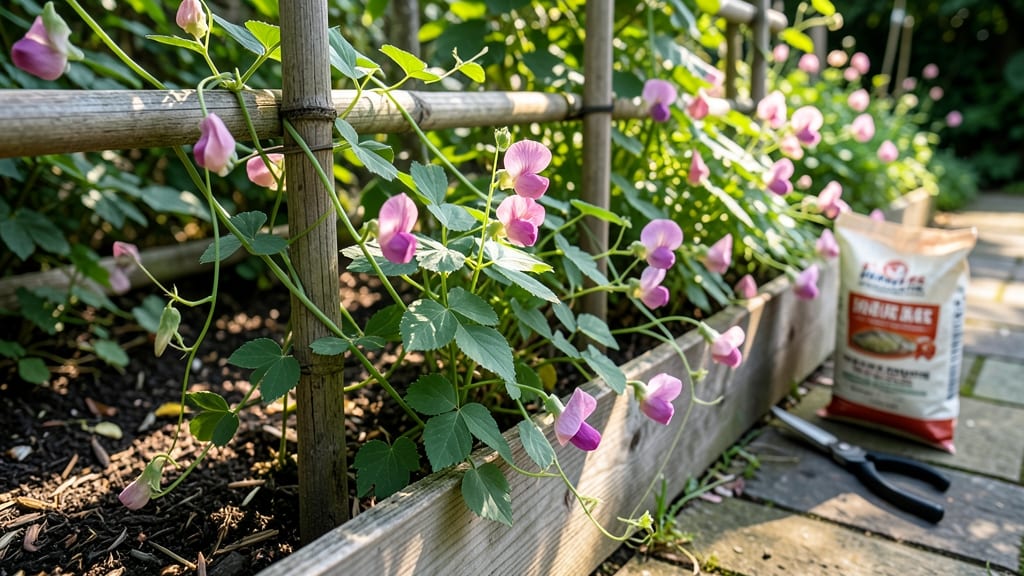
Wild sweet pea flowers (Lathyrus odoratus) transform any garden into a fragrant, climbing paradise with their delicate blooms and intoxicating scent. 🌸 I fell for them the first time I saw them tumbling over an old trellis—each vine packed with blossoms that last from spring until frost, attracting bees and butterflies like nothing else.
These vines thrive in well-draining soil and full sun to partial shade, making them perfect for gardeners who want low-maintenance beauty. Plant seeds directly in the ground after the last frost or start them indoors 6-8 weeks earlier for a head start.
The key to their success? Consistent moisture and a sturdy support structure—no floppy vines here.
What you’ll love most is how they keep blooming all season, with colors ranging from soft pink to deep purple. Snip spent flowers to encourage more blooms, and watch as pollinators flock to your garden.
They even self-seed, so you’ll get free plants next year—nature’s way of saying, "You’re doing it right."
Perfect for cottage gardens, trellises, or even container growing, wild sweet peas bring effortless charm. Ready to grow your own fragrant vine haven? Let’s get those seeds in the ground!
📚 In This Guide
- What you need
- Instructions
- Tips and common mistakes
- Wrapping up and next steps
What you need
- ● Wild Sweet Pea Seeds: 10–20 seeds (organic, non-GMO preferred for best fragrance). Pro tip: Look for heirloom varieties like Lathyrus odoratus for classic sweet pea scents! 🌸
- ○ Well-draining potting soil: 1–2 bags (mix with perlite or sand for aeration). Optional: Add compost for nutrient-rich soil.
- ● Containers or garden bed: For containers: 5–10-inch pots (1–2 per plant) with drainage holes.
- ● For garden beds: Full sun (6+ hours/day) or partial shade (4–6 hours).
- ● Support structures: Trellis, stakes, or obelisk (4–6 feet tall) for climbing varieties.
- ○ Optional: Floral picks or wire mesh for hanging baskets.
- ● Garden trowel or small shovel (for transplanting seedlings).
- ● Watering can or hose with gentle spray nozzle (keep soil moist but not soggy!).
- ● Pruning shears (for deadheading spent blooms and shaping vines).
- ● Fertilizer: Balanced liquid fertilizer (10-10-10) or slow-release granules.
- ○ Optional: Epsom salt (1 tbsp/gallon of water) for magnesium boosts.
- ● Mulch: Straw or shredded bark (to retain moisture and suppress weeds).
- ○ Gloves (optional) – Sweet peas are non-toxic but may irritate sensitive skin.
- ● Best planting time: Early spring (after last frost) or late summer for fall blooms.
- ● Hardiness: USDA Zones 2–11 (adjust watering in extreme heat/drought).
- ● Fragrance tip: Plant near patios or windows to enjoy the sweet, honey-like scent! 🌿
Step-by-step guide to cultivating fragrant wild sweet pea vines
Here's how I transform bare soil into a fragrant, climbing paradise with these hardy perennials.
🌱 Step 1: Select and Prepare the Planting Site
Wild sweet peas thrive in well-draining soil with partial shade to full sun (at least 4-6 hours daily). I choose a spot with support structures—trellises, fences, or arbors—ready to handle their 6-8 foot vines. The key is loose, slightly sandy soil that mimics their natural habitat. If your soil is heavy clay, amend it with 2-3 inches of compost mixed into the top 12 inches of soil.
Here's the thing—wild sweet peas hate waterlogged roots. If your garden retains moisture, raise the planting area by 4-6 inches with a mound of soil. Test drainage by digging a 12-inch deep hole, filling it with water, and checking if it drains within 2 hours. If not, improve drainage before planting.
🌿 Step 2: Plant Seeds at the Right Depth and Spacing
Sow seeds in early spring (after the last frost) or late summer for fall blooms. Plant 1/2 inch deep—any deeper and they won't germinate. Space seeds 12-18 inches apart in rows 18-24 inches apart to allow for air circulation and vine spread. I like to plant 3-4 seeds per spot and thin to the strongest seedling once they're 4 inches tall.
Don't skip the thinning step—I've seen crowded plants develop powdery mildew from poor airflow. Water the soil lightly before planting, then cover seeds with a 1/4 inch of fine soil or sand. Press gently to ensure good seed-to-soil contact, but don't compact it. Place a small stake near each planting spot to mark the location—wild sweet peas are tiny when they first emerge.
☀️ Step 3: Provide Support and Consistent Care
As soon as seedlings reach 6 inches tall, provide temporary support with small stakes or a lightweight trellis. Wild sweet peas are vigorous climbers but need guidance early on. Once established, they'll twine around any structure, but giving them a head start prevents tangled growth. I use 3-foot bamboo stakes for initial support, then transfer them to a 6-foot arbor as they grow.
Water deeply once a week during the first growing season, aiming for 1 inch of water per week. The goal is to encourage deep root growth—shallow watering leads to weak stems that flop over. You'll know you're doing it right when the soil feels dry 2 inches below the surface between waterings. Mulch with 2 inches of straw or wood chips to retain moisture and suppress weeds, but keep the mulch 4 inches away from stems to prevent rot.
✂️ Step 4: Prune and Encourage Continuous Blooms
Deadhead spent blooms weekly to prolong flowering—this is the secret to their all-season performance. Pinch off flowers as soon as they fade by snipping the stem just above the first set of leaves. I use clean, sharp pruners and always sterilize them with rubbing alcohol between cuts to prevent disease spread. Regular pruning also encourages bushier growth and more flowers.
In late summer, give your vines a light trim to remove any leggy or overcrowded stems. Cut back one-third of the vine length, focusing on older growth. This rejuvenates the plant and ensures a strong finish to the season. Avoid heavy pruning in early spring—wild sweet peas bloom on new growth, and aggressive cuts can delay flowering.
Tips & tricks for perfect wild sweet pea vines
These are the little details that make all the difference between a garden accent and a fragrant, blooming masterpiece.
Soil Preparation Secret: The 2-3 inches of compost you mix into the top 12 inches of soil isn't just about nutrients—it's about creating that perfect loose, sandy texture wild sweet peas crave. I like to add a handful of perlite to the mix for even better drainage, especially if your native soil is dense. This mimics their natural habitat and prevents that dreaded waterlogged root issue. The 2-hour drainage test is your best friend here—if water sits longer, you know you need to keep amending.
Planting Precision: That 1/2-inch planting depth is non-negotiable for germination, but here's what nobody tells you—the soil covering your seeds should be as fine as sand, not clumpy garden soil. I sift mine through a fine mesh screen before planting. Also, those 3-4 seeds per spot give you insurance against poor germination rates—wild sweet peas can be finicky about sprouting. The 4-inch thinning mark is where you'll see the strongest seedlings emerge, so don't rush this step.
Support System Strategy: The 6-inch height trigger for initial support is crucial because that's when their natural climbing instincts kick in. I've found that using biodegradable plant ties at this stage prevents damage when you later transfer them to your 6-foot arbor. Pro tip: Angle your initial stakes slightly away from the sun to encourage upward growth rather than sprawling. This creates that perfect vertical structure for their 6-8 foot vines to climb elegantly.
Pro Tips for Wild Sweet Pea Flower
- These are the little details that make all the difference between a garden accent and a fragrant, blooming masterpiece.
- Soil Preparation Secret: The 2-3 inches of compost you mix into the top 12 inches of soil isn't just about nutrients—it's about creating that perfect loose, sandy texture wild sweet peas crave.
- Planting Precision: That 1/2-inch planting depth is non-negotiable for germination, but here's what nobody tells you—the soil covering your seeds should be as fine as sand, not clumpy garden soil.
Frequently asked questions
Got questions about growing and enjoying wild sweet pea flowers? We’ve got answers!
Whether you’re a beginner or a seasoned gardener, these FAQs will help you cultivate fragrant, long-blooming vines with ease.
How do I encourage my wild sweet pea flowers to bloom all season?
Wild sweet peas thrive with consistent care! Ensure they receive at least 6-8 hours of sunlight daily and well-draining soil. Prune spent blooms regularly to promote new growth, and fertilize lightly with a balanced plant food every 4-6 weeks. Deadheading (removing faded flowers) also extends the blooming period.
Are wild sweet pea flowers deer-resistant?
While wild sweet peas aren’t fully deer-proof, their strong fragrance and slightly bitter taste often deter deer better than many other flowers. For added protection, consider planting them near deer-resistant companions like lavender, rosemary, or marigolds. A physical barrier (like fencing) may still be needed in high-traffic areas.
Can wild sweet pea flowers survive in hot or humid climates?
Yes, but they prefer moderate climates (USDA Zones 5-9). In hot regions, provide afternoon shade to prevent wilting, and water deeply but infrequently to encourage strong roots. In humid areas, ensure excellent airflow to reduce fungal risks like powdery mildew. Mulching helps retain moisture without overheating the soil.
What are some easy alternatives if wild sweet peas are hard to find?
If wild sweet peas are unavailable, try these fragrant, long-blooming vines:
- Wisteria – Dramatic clusters but needs strong support.
- Clematis – Versatile and drought-tolerant once established.
- Honeysuckle – Sweetly scented and attracts pollinators.
- Morning Glory – Fast-growing annual with vibrant blooms.
Why are my wild sweet pea flowers wilting or turning yellow?
Wilting or yellowing leaves often signal overwatering, underwatering, or poor drainage. Check the soil moisture—it should be damp but not soggy. Yellowing lower leaves may also indicate nitrogen deficiency (try a balanced fertilizer). Ensure pots or garden beds have drainage holes, and avoid letting roots sit in standing water.
Wrapping up and next steps
The wild sweet pea flower is a delightful addition to any garden, offering fragrance, beauty, and low-maintenance charm all season long. Whether you're drawn to its vibrant colors, sweet scent, or ease of cultivation, these vines bring effortless elegance to any space. 🌸
Ready to invite more nature into your life? Start by selecting your favorite varieties, gathering your supplies, and planting with confidence—your garden will thank you! For extra inspiration, explore companion planting ideas or experiment with creative trellis designs to elevate your sweet pea display.