
Flowers
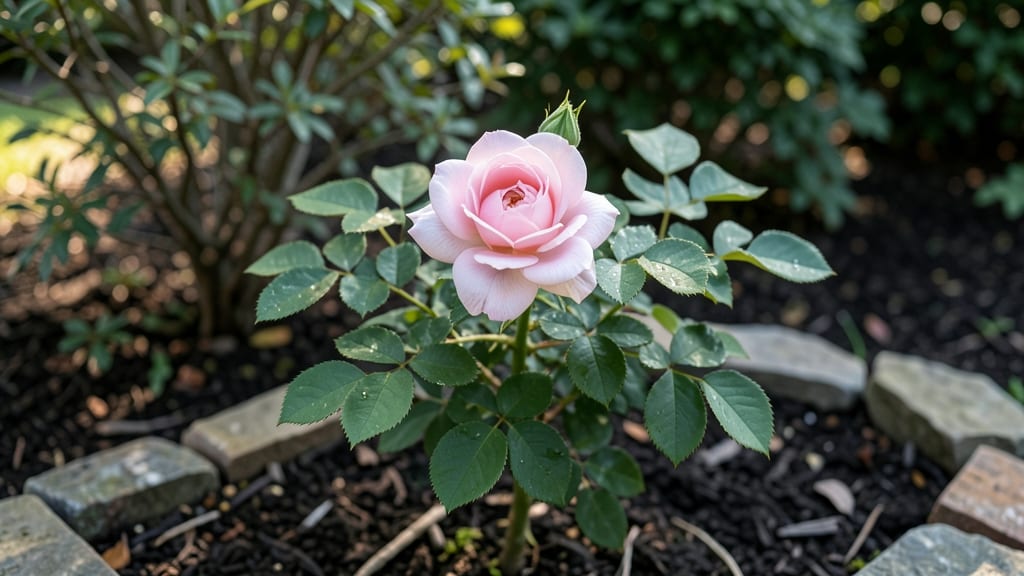
The rose the flower doesn’t need a sprawling backyard—it thrives in containers too, and I’ve grown fragrant climbers in pots for years. That first blush of pink or crimson against a balcony railing still makes my neighbors stop and smile.
The secret isn’t fancy equipment but matching the right variety to your space and sunlight.
Hybrid teas need full sun and regular pruning, while climbers like ‘New Dawn’ can sprawl elegantly in a 5-gallon container with minimal fuss. My 10-gallon pots produce roses that bloom from June through frost, and the soil mix is simpler than you’d think—just compost, perlite, and a slow-release fertilizer.
Watering’s the trickiest part: let the top inch dry out between soakings.
By summer’s end, you’ll have roses that fill the air with their signature scent and turn heads at your doorstep. The key is patience—those first blooms take about 8-12 weeks to appear, but once they do, they keep coming.
Prune once in late winter and again after blooming to encourage bushier growth.
Works for patios, decks, or even sunny windowsills—just adjust the pot size to the variety. Whether you’re growing hybrid teas or hardy climbers, containers make rose care manageable. Let’s get those roots growing!
📚 In This Guide
- What you need
- Instructions
- Tips and common mistakes
- Wrapping up and next steps
What you need
- ● Ready to grow your own fragrant roses in containers? Here’s everything you’ll need to get started—whether you’re a beginner or a seasoned gardener! 🌹✨
- ● Pro Tip: 🌡️ Check your zone! Roses thrive in hardiness zones 5–10. Adjust care based on your climate (e.g., winter protection for colder areas).
Step-by-step guide to growing container roses
Here’s how to cultivate fragrant climbing roses in pots with minimal fuss.
🪴 Step 1: Choose the Right Container and Soil Mix
Select a container at least 12 inches deep and wide—larger pots hold more soil, which keeps roots cooler and moisture consistent. I use terra cotta pots because they breathe, preventing root rot. If your pot lacks drainage holes, drill them yourself—waterlogged roots will kill your roses faster than anything else.
Fill the bottom 2 inches with gravel or broken pottery for drainage. Then add a high-quality potting mix mixed with 20% perlite or coarse sand to improve aeration. This blend prevents compaction, which suffocates roots. Moisten the mix until it’s damp but not soggy—like a wrung-out sponge.
🌱 Step 2: Plant Bare-Root Roses at the Correct Depth
Soak bare-root roses in lukewarm water for 2 hours before planting to revive the roots. Remove any damaged or mushy roots—healthy ones should be firm and white. Position the rose so the graft union (the swollen bump near the base) sits 1-2 inches below soil level. This protects the plant from temperature swings and ensures strong regrowth.
Spread the roots outward in the pot and backfill with soil, pressing gently to eliminate air pockets. Leave a 1-inch gap between the soil and pot rim for watering. Mulch the surface with 1 inch of shredded bark to retain moisture and deter weeds. Water deeply until it drains from the bottom—this settles the soil and removes air gaps.
☀️ Step 3: Provide Full Sun and Consistent Care
Roses need 6-8 hours of direct sun daily—place your containers where they’ll get morning light and afternoon shade if temperatures exceed 90°F. South-facing patios or balconies work best. If your space is shady, choose disease-resistant varieties like ‘Knock Out’ roses, which tolerate lower light better than fragrant climbers.
Water deeply 2-3 times per week, soaking the soil until it drains from the bottom. Let the top 1-2 inches of soil dry out between waterings—this prevents root rot while keeping the plant hydrated. In hot weather, check soil moisture daily; wilting leaves mean you’re underwatering, but yellowing leaves signal overwatering.
✂️ Step 4: Prune for Shape and Health
Prune roses twice a year: in early spring (before new growth) and late fall (after blooming). Use clean, sharp pruners to cut back one-third of the plant’s height, removing dead, crossing, or weak stems. Always cut just above an outward-facing bud—this encourages bushier growth and more flowers.
Deadhead spent blooms regularly to redirect energy into new growth. I pinch off faded flowers with my fingers—no need for pruners. Fertilize every 4-6 weeks with a balanced rose fertilizer (10-10-10) during the growing season. Stop fertilizing in late summer to harden the plant for winter.
⏰ Step 5: Winterize for Cold Climates
If temperatures drop below 20°F, move containers to a sheltered spot or wrap them in burlap. Bury pots in straw or leaves up to the rim to insulate roots. In milder climates, reduce watering and fertilizing as growth slows. Prune lightly in late winter to remove dead wood before new shoots emerge.
With consistent care, your container roses will reward you with fragrant blooms all season long. The key is good drainage, full sun, and regular pruning—skip these, and you’ll struggle. But nail them, and you’ll have roses that thrive in pots just like in the ground.
Tips & tricks for perfect container rose cultivation
Here's what I've learned after years of growing fragrant climbers in pots—these tricks will help you avoid common pitfalls and get the best results.
Container Selection: While terra cotta pots are ideal for their breathability, plastic containers actually retain moisture better in hot climates. If using plastic, add extra perlite to the soil mix to prevent root suffocation. I've found that containers with built-in saucers help collect drainage, but always empty these after watering to prevent standing water.
Soil Preparation: The 20% perlite or coarse sand ratio is crucial—this prevents compaction that suffocates roots. I recommend mixing in a handful of worm castings with the potting soil to boost microbial activity right from planting. This gives your roses a nutrient boost without needing extra fertilizer right away.
Planting Depth: That 1-2 inch depth for the graft union is non-negotiable—it protects against temperature swings that can kill your plant. I've seen many gardeners bury it too deep, which causes the plant to struggle. After planting, gently press the soil around the roots to eliminate air pockets, but don't compact it too firmly or you'll restrict root growth.
Sunlight Strategy: For those 6-8 hours of daily sun, I've found that positioning pots on a wheeled dolly makes it easy to move them when needed. If you notice leaves turning yellow in afternoon sun, move the pot to a shadier spot—this often happens when temperatures exceed that 90°F threshold mentioned in the instructions.
Pro Tips for Rose The Flower
- Here's what I've learned after years of growing fragrant climbers in pots—these tricks will help you avoid common pitfalls and get the best results.
- Container Selection: While terra cotta pots are ideal for their breathability, plastic containers actually retain moisture better in hot climates.
- Soil Preparation: The 20% perlite or coarse sand ratio is crucial—this prevents compaction that suffocates roots.
Frequently asked questions
Got questions about growing roses in containers? Here are some of the most common concerns—plus quick, practical answers to help you cultivate stunning, fragrant blooms with ease!
Can roses really thrive in containers?
Many rose varieties—especially miniature, patio, and climbing roses—do exceptionally well in containers. Just ensure your pot has drainage holes and is large enough (at least 12–18 inches deep) to support healthy root growth. With the right soil mix and sunlight, container roses can bloom just as beautifully as their in-ground counterparts!
How often should I water my container roses?
Container roses dry out faster than garden roses, so water deeply 2–3 times per week (daily in extreme heat). Check soil moisture by sticking your finger 1–2 inches down—if it’s dry, it’s time to water. Morning watering is best to reduce evaporation and fungal risks. Mulch the soil surface to retain moisture!
What’s the best sunlight exposure for container roses?
Roses crave 6–8 hours of direct sunlight daily. Place your containers in the sunniest spot available, like a south- or west-facing patio. If you’re in a shady area, opt for low-light-tolerant varieties like ‘Blaze’ or ‘Playboy,’ but expect fewer blooms. Rotate pots occasionally for even growth!
How do I prevent pests like aphids or spider mites?
Container roses are vulnerable to pests, but prevention is easy! Inspect leaves regularly and blast off aphids with a strong spray of water. Use neem oil or insecticidal soap for stubborn infestations. Encourage beneficial insects like ladybugs by planting companion flowers (e.g., marigolds or nasturtiums) nearby!
Do container roses need winter protection?
Yes! In cold climates, move pots to a sheltered, unheated garage or wrap them in burlap to shield roots from freezing. Remove dead foliage, reduce watering, and mulch heavily. If temps drop below 20°F, consider adding a layer of straw or bubble wrap around the pot for extra insulation.
What’s the easiest rose variety for beginners?
Start with ‘Knock Out’ roses—they’re disease-resistant, bloom nonstop, and thrive in containers. Other beginner-friendly picks include ‘Fairy’ (miniature) or ‘The Fairy’ (patio). These varieties are hardy, low-maintenance, and perfect for small spaces!
Wrapping up and next steps
Growing roses in containers isn’t just possible—it’s a rewarding way to enjoy their timeless beauty and intoxicating fragrance anywhere, from balconies to patios! With the right soil, sunlight, and care, your climbers will thrive, blooming season after season.
Whether you’re a beginner or a seasoned gardener, every snip of a stem or whiff of a bloom is a small victory—so take pride in your progress!
Now that you’re armed with tips and tricks, why not start your container rose garden today? Pick your favorite variety, grab some pots, and let nature’s sweetest climbers transform your space. Happy gardening! 🌹