
Pests
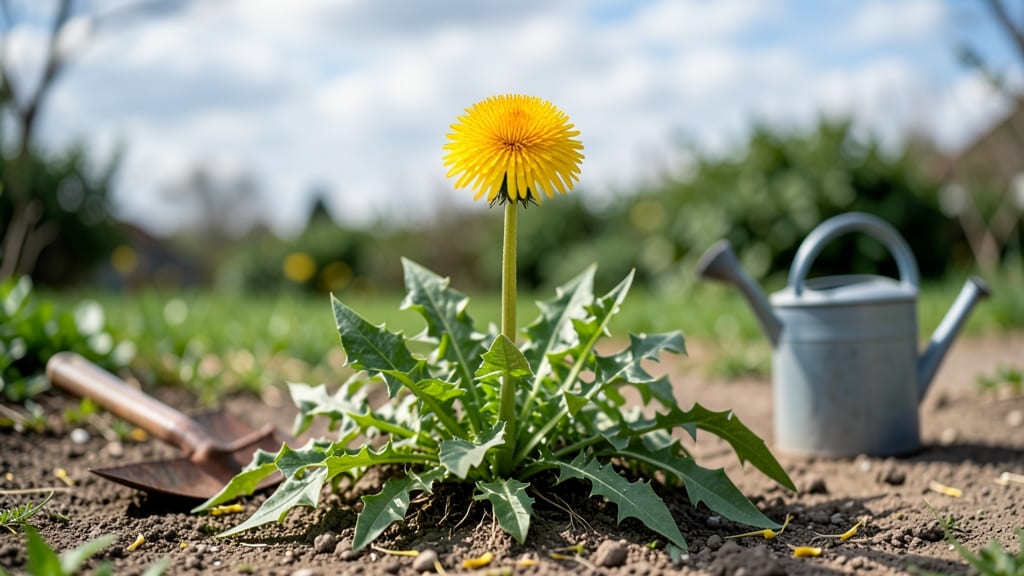
That pesky small yellow-flowered weed popping up everywhere? 🌱 I’ve battled dandelions, chickweed, and clover in my own garden, and I’ve learned which methods actually work—without poisoning your soil or wasting time. The key is knowing exactly what you’re dealing with before you pull or spray.
Most of these "weeds" aren’t all bad—clover fixes nitrogen, dandelions support pollinators—but they can still take over if left unchecked. I’ll show you how to identify them, remove them for good (yes, even the roots), and prevent them from coming back next season. No guesswork, just results.
📚 In This Guide
- What you need
- Instructions
- Tips and common mistakes
- Wrapping up and next steps
What you need
- ● Garden gloves (1 pair) – Opt for heavy-duty, chemical-resistant gloves if using herbicides.
- ● Hand trowel or weeding tool – A sturdy, ergonomic design (e.g., Fiskars or Corona) for precision digging.
- ● Garden fork or hoe – For larger infestations or loosening stubborn roots (e.g., Bulldog cultivator).
- ● Trash bags (20–30 gallon) – For disposal of weeds and debris.
- ● Watering can or hose with adjustable nozzle – For post-weeding hydration or rinsing tools.
- ○ Natural or synthetic herbicide (optional but helpful for severe cases): Vinegar-based weed killer (20–30% acetic acid, 1 gallon) – Mix with 1 tbsp dish soap for adhesion.
- ● Glyphosate-based herbicide (e.g., Roundup) – Follow label instructions for application.
- ● Mulch (straw, wood chips, or shredded leaves) – 2–3 inches thick to suppress regrowth.
- ● Boiling water (1–2 gallons) – For spot-treatment on driveways or cracks.
- ● Salt (coarse or rock salt) – 1 lb for targeted areas (use sparingly to avoid soil damage).
- ● Kneeling pad – For comfort during long sessions.
- ● Pruners or scissors – For cutting back weed stems at the base.
Step-by-Step guide to removing stubborn yellow flowered weeds
Here’s how to tackle those tenacious little invaders before they take over your garden.
🌱 Step 1: Identify and Confirm the Weed Type
Before reaching for the tools, get a clear look at your yellow-flowered weed. Common culprits include dandelions, chickweed, or creeping buttercup—each requires slightly different removal tactics. Focus on the root structure: deep taproots (like dandelions) need special attention, while shallow runners (like creeping buttercup) spread aggressively above ground.
Pull up a small section carefully to check the root depth. If you see a thick, carrot-like taproot, you’re dealing with a dandelion or similar deep-rooted species. For shallow, fibrous roots, you’ll need to target the crown. This step ensures you don’t waste effort on ineffective methods—like yanking a creeping buttercup by its stems without addressing the root system.
✂️ Step 2: Choose the Right Removal Tool
For deep-rooted weeds, grab a dandelion weeder or a sturdy hand fork to pry roots out without breaking them. Shallow, sprawling weeds respond better to a hand trowel or even a butter knife for precision. Avoid gloves if you can—fingertip control makes all the difference when extracting stubborn roots.
Here’s the thing—if you’re dealing with creeping buttercup, a simple pull won’t cut it. You’ll need to cut the plant at the soil line, then dig out any remaining root fragments. For dandelions, insert the weeder just under the root crown and twist gently. The goal is to remove the entire root to prevent regrowth—broken roots will sprout new shoots in days.
💧 Step 3: Apply Targeted Removal Techniques
For deep-rooted weeds like dandelions, work the weeder in a twisting motion to loosen the soil around the root. Once the root pops free, check for any broken pieces—these will regrow. For shallow weeds, dig down 1-2 inches around the base to sever the root system. Water the area lightly beforehand to soften the soil and make extraction easier.
If you’re dealing with a patch of creeping buttercup, focus on the crown—the thickened base where new shoots emerge. Cut it off at soil level, then dig out any remaining root fragments. Mulch the area afterward to smother regrowth. This method works best on small patches; larger infestations may require repeated treatments over weeks.
☀️ Step 4: Prevent Regrowth with Post-Removal Care
After removal, inspect the soil for any missed fragments. A quick rake over the area helps uncover hidden roots. For stubborn weeds like creeping buttercup, apply a thick layer of mulch (at least 2-3 inches) to block sunlight and prevent new shoots. Organic mulch, like straw or wood chips, breaks down over time and adds nutrients to the soil.
Real talk: You’ll likely see new weeds pop up in a few weeks. This is normal—weeds store energy in their roots and resprout quickly. Stay vigilant and repeat the removal process as needed. Over time, consistent effort will weaken the weed’s hold on your garden.
Tips & tricks for perfect weed eradication
Here's what nobody tells you about beating back those stubborn yellow invaders for good.
Root System Inspection: When you pull up a sample in Step 1, look for the telltale signs of deep taproots (like dandelions) versus shallow runners (like creeping buttercup). The difference determines your entire approach—deep roots need the twisting motion with a weeder, while shallow ones require crown-focused digging. I learned this the hard way after pulling stems for weeks without addressing the crown.
Tool Precision: In Step 2, don't underestimate the value of fingertip control. A butter knife works surprisingly well for precision around delicate roots, but only if you're not wearing gloves. The tactile feedback helps you feel when you've severed the root system completely. For dandelions, insert the weeder just under that thick crown—twisting is key to breaking the soil cleanly without leaving fragments.
Soil Preparation: Before digging in Step 3, give the soil a quick soak with a hose or watering can. The 1-2 inches of moisture makes extraction easier by softening the soil around those stubborn roots. I've found that even a light watering 30 minutes beforehand makes all the difference when dealing with compacted garden beds. This is especially important for creeping buttercup, where the crown can be particularly tenacious.
Mulch Strategy: For Step 4's post-removal care, don't skimp on that 2-3 inch mulch layer. The goal is complete light blockage—any gaps will let new shoots emerge. I've had success with a combination of straw (which breaks down) and wood chips (which last longer). This two-layer approach gives you both immediate smothering and long-term soil improvement.
Pro Tips for Small Yellow Flowered Weed
- Here's what nobody tells you about beating back those stubborn yellow invaders for good.
- Root System Inspection: When you pull up a sample in Step 1, look for the telltale signs of deep taproots (like dandelions) versus shallow runners (like creeping buttercup).
- Tool Precision: In Step 2, don't underestimate the value of fingertip control.
Frequently asked questions
about small yellow-flowered weeds can save you time and frustration. Here are some common concerns and straightforward answers to help you tackle these garden nuisances like a pro!What’s the fastest way to remove small yellow-flowered weeds from my lawn?
For quick removal, use a manual approach like hand-pulling (best after rain) or a weed torch for larger patches. Apply vinegar-based herbicides (30% acetic acid) for spot treatments—just avoid spraying desirable plants. Pro tip: Pull weeds early in the morning when soil is moist for easier extraction!
How long does it take for small yellow-flowered weeds to regrow after treatment?
Regrowth depends on the method: Hand-pulling may show results in 1-2 weeks if roots are fully removed. Herbicides (like glyphosate) can take 2-4 weeks to fully kill weeds, while natural remedies (boiling water, salt) may require repeated applications. Monitor and retreat if sprouts appear!
Are there natural alternatives to chemical weed killers for these weeds?
Try these eco-friendly options:
- Boiling water: Pour directly on weeds (avoid desirable plants).
- Salt or vinegar mix: Combine 1 gallon vinegar + 1 cup salt for stubborn patches.
- Corn gluten meal: Apply as a pre-emergent to prevent seeds from sprouting.
- Duct tape method: Smother weeds with tape for 2-3 weeks to starve them.
Why do small yellow-flowered weeds keep coming back even after treatment?
Weeds often return due to persistent seed banks in the soil or partial root removal. To break the cycle:
- Pull all roots (use a trowel if needed).
- Mulch heavily to block sunlight and prevent regrowth.
- Reapply pre-emergent herbicides in early spring.
- Improve soil health with compost to crowd out weeds.
Are small yellow-flowered weeds harmful to pets or children?
Most small yellow-flowered weeds (like dandelions, chickweed, or groundsel) are non-toxic but may cause mild stomach upset if ingested in large amounts. However, some look-alikes (e.g., jimsonweed) can be dangerous. When in doubt:
- Remove weeds completely from play areas.
- Avoid chemical sprays near kids/pets—opt for manual removal.
- Consult a local extension office if unsure about identification.
Wrapping up and next steps
Tackling a small yellow-flowered weed might feel like a never-ending battle, but with the right tools and persistence, you can reclaim your garden! 🌱 Whether you’ve mastered manual removal, embraced vinegar solutions, or leaned on natural deterrents like mulch, every effort counts.
The key is consistency—don’t let those stubborn invaders win.
Ready to take it a step further? Audit your garden weekly to catch new sprouts early, and consider preventative measures like landscape fabric or ground covers to keep weeds at bay long-term. Your green space will thank you!