
Flowers
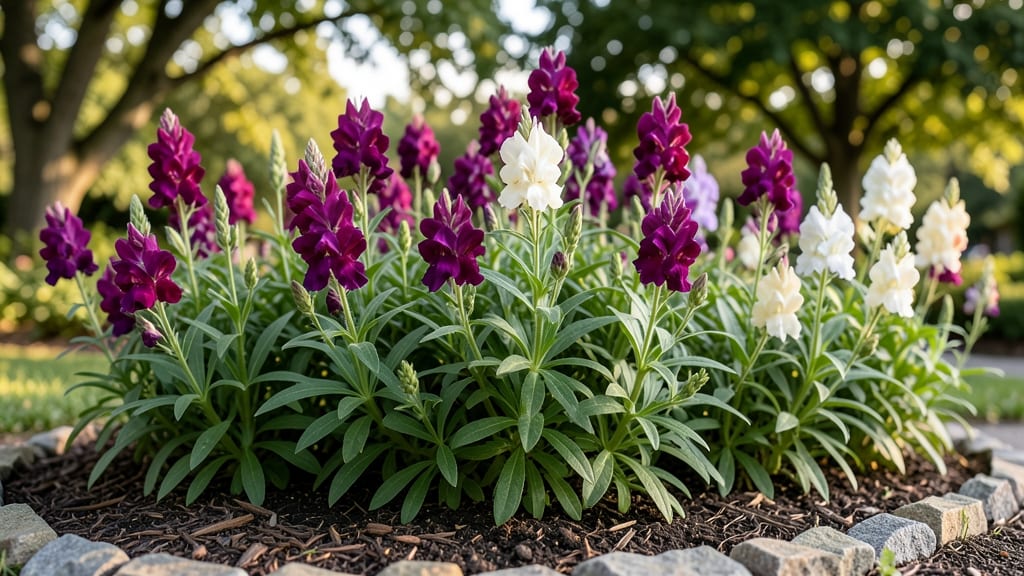
A snapdragon flower bed transforms any garden into a vertical masterpiece with fragrant, towering blooms that dance in the breeze. 🌸 I stumbled upon snapdragons after killing my first flat of seedlings—turns out, they’re the most forgiving flower for beginners who want drama without fuss.
Their spiky, dragon-mouth faces come in every color from deep purple to fiery orange, and they keep blooming from early summer until frost if you give them the right companions.
The secret to a showstopping bed? Mix heights and textures—tall snapdragons (18-36 inches) as the backbone, surrounded by shorter salvias or sweet alyssum for contrast. Space them 12-18 inches apart in well-draining soil, and they’ll reward you with six weeks of continuous blooms if you deadhead spent flowers.
My favorite combo? Purple snapdragons with silver foliage dusty miller for a moody, romantic vibe.
You’ll end up with a flower bed that smells like a summer garden and looks like a painted landscape—velvety petals in jewel tones, contrasting with crisp green foliage.
The best part? Snapdragons attract hummingbirds and butterflies while repelling pests, so your bed becomes a living ecosystem. Once established, they’re drought-tolerant and thrive in full sun to partial shade.
Works in containers, borders, or cottage-style gardens—just adjust spacing for smaller pots. Here’s how to make yours thrive without the common mistakes that leave beds looking sparse by midsummer.
📚 In This Guide
- What you need
- Instructions
- Tips and common mistakes
- Wrapping up and next steps
What you need
- ● Snapdragon seeds or seedlings: Choose disease-resistant varieties like ‘Black Prince,’ ‘Matrix,’ or ‘Tango’ (6–12 plants per square foot for full coverage).
- ● Well-draining potting mix: 50% garden soil + 50% compost or peat moss (avoid heavy clay).
- ● Organic fertilizer: Balanced 10-10-10 or slow-release granules (follow package rates).
- ● Mulch: 2–3 inches of shredded bark or straw to retain moisture.
- ● Garden trowel or spade (for digging).
- ● Measuring tape or ruler (to space plants 12–18 inches apart).
- ● Garden hose with spray nozzle (for gentle watering).
- ● Pruning shears (to trim dead blooms).
- ● Gloves & knee pads (for comfort).
- ● Stakes or trellis (for tall varieties like ‘Tango’).
- ● Slow-release watering system (drip irrigation for drought-prone areas).
- ● Companion plants (e.g., marigolds to deter pests).
- ● Decorative edging (stones or bricks for a polished look).
How to create a stunning Snapdragon flower bed
Here's the method I've used to grow lush, long-blooming snapdragons that keep color going from spring through fall.
🌱 Step 1: Select and Prepare Your Planting Site
Snapdragons thrive in full sun to partial shade, so choose a location receiving at least 6 hours of sunlight daily. I prefer a slightly elevated bed with good drainage—waterlogged roots will stunt growth and shorten bloom time. Clear the area of weeds and loosen the soil to a depth of 12 inches using a garden fork.
Amend the soil with 2-3 inches of compost and mix in 1 cup of 10-10-10 fertilizer per 10 square feet of bed space. Snapdragons are heavy feeders, so this ensures strong root development. Test the soil pH—ideal range is 6.5-7.0. If your soil is too acidic, add dolomitic lime at the rate of 5 pounds per 100 square feet and mix thoroughly.
🌿 Step 2: Plant Snapdragon Seeds or Transplants
For direct sowing, plant seeds ¼ inch deep in early spring, 4-6 weeks before your last frost date. Space seeds 12-18 inches apart in rows 18-24 inches apart—this gives them room to grow their signature towering spikes. I like to sow seeds in blocks rather than rows for a more natural, continuous bloom effect.
If using transplants, harden them off for 7-10 days before planting out. Set them in the prepared bed at the same depth they were growing in their containers. Water deeply right after planting to settle the soil around roots. Snapdragons establish quickly, so you'll see first true leaves appear within 10-14 days if conditions are right.
✂️ Step 3: Maintain for Continuous Blooms
Water snapdragons deeply 1-2 times per week, keeping the soil evenly moist but not soggy. The key is consistent moisture—let the top 1-2 inches of soil dry out between waterings to prevent fungal diseases. Mulch with 2-3 inches of shredded bark to retain moisture and suppress weeds, but keep mulch 2 inches away from stems to prevent rot.
Deadhead spent blooms weekly to encourage more flowers. Simply pinch off the faded flower spike just above the next set of buds. This prevents seed formation and redirects the plant's energy into producing new blooms. Fertilize every 4-6 weeks with a balanced liquid fertilizer (like 10-10-10) diluted to half-strength—too much nitrogen will promote leafy growth at the expense of flowers.
☀️ Step 4: Extend the Season with Proper Care
Snapdragons are cool-season plants that tolerate light frosts. In late summer, when temperatures rise above 75°F, they may go dormant or stop blooming. To extend the season, provide afternoon shade during heatwaves and increase watering frequency. I've found that morning watering (before 10 AM) helps prevent fungal issues.
For a fall rebloom, cut back one-third of the plant height after the first flush of blooms fades. This encourages a second round of growth. In USDA Zones 3-7, snapdragons are annuals, but in Zones 8-10, they may self-seed or return the following year if protected from winter rains. Collect seeds from mature pods for next season's planting.
Tips & tricks for perfect Snapdragon flower beds
Here's what I've learned after years of growing snapdragons that bloom nonstop from spring to fall.
Site Selection Secret: While snapdragons tolerate partial shade, the 6 hours of sunlight requirement is non-negotiable for continuous blooming. I've found that morning sun with afternoon shade works best in hot climates—this prevents the flowers from wilting during peak heat while still getting enough light for strong growth. If your garden has limited sun, consider growing snapdragons in containers where you can move them to sunnier spots as needed.
Soil Preparation Insight: The 12-inch deep soil loosening is crucial for root development, but don't stop there. I like to add a handful of perlite or coarse sand to the bottom of the planting hole before adding compost. This creates better drainage at the root level while still providing the nutrient-rich topsoil snapdragons crave. For containers, use a mix that's 60% potting soil and 40% perlite or vermiculite.
Planting Timing Strategy: Those 4-6 weeks before last frost can feel like a tight window, but it's perfect for establishing strong roots before summer heat arrives. For a fall display, you can actually plant seeds again in late summer (about 8-10 weeks before first frost) to get a second flush of blooms. Just be prepared to provide afternoon shade during hot spells to protect the young plants.
Watering Wisdom: The 1-2 inches of soil drying between waterings is a great guideline, but I've learned to adjust based on weather. On hot days, you might need to water every other day to maintain that consistent moisture. The key is to water deeply each time—light, frequent watering encourages shallow root growth. I use a moisture meter to check soil moisture at the 2-inch depth recommended in the instructions.
Pro Tips for Snapdragon Flower Bed
- Here's what I've learned after years of growing snapdragons that bloom nonstop from spring to fall.
- Site Selection Secret: While snapdragons tolerate partial shade, the 6 hours of sunlight requirement is non-negotiable for continuous blooming.
- Soil Preparation Insight: The 12-inch deep soil loosening is crucial for root development, but don't stop there.
Frequently asked questions
Got questions about creating or caring for your snapdragon flower bed? We’ve got answers!
Whether you're a first-time gardener or a seasoned pro, these FAQs will help you grow vibrant, fragrant snapdragons all season long.
When is the best time to plant snapdragons?
Snapdragons thrive in cool weather, so plant them in early spring (after the last frost) or late summer for a fall display. They can also tolerate light frost, making them perfect for transitional seasons. For continuous blooms, stagger plantings every 2–3 weeks!
How do I keep snapdragons blooming all season?
Deadhead spent blooms regularly to encourage new flowers. Ensure they get 6–8 hours of sunlight daily and water at the base (avoid wetting leaves to prevent disease). A balanced 10-10-10 fertilizer every 3–4 weeks will keep them lush and flowering!
Can I grow snapdragons in containers or small spaces?
Snapdragons adapt well to containers, window boxes, or raised beds. Choose compact varieties like 'Matrix' or 'Triumph' for smaller spaces. Use well-draining potting mix and ensure containers are at least 12 inches deep to support their roots.
What pests or diseases should I watch for?
Common issues include aphids, spider mites, and powdery mildew. For pests, spray with neem oil or insecticidal soap. Improve airflow to prevent mildew, and avoid overhead watering. If leaves yellow, check for overwatering or nutrient deficiencies.
What flowers pair well with snapdragons in a bed?
Snapdragons mix beautifully with salvias, marigolds, or sweet alyssum for height and texture. For contrast, try purple verbena, dusty miller, or cosmos. Their upright stems also complement low-growing thyme or creeping thyme for a fragrant, layered look!
Wrapping up and next steps
Creating a stunning Snapdragon flower bed is a rewarding way to bring vibrant colors and fragrant blooms to your garden year-round! 🌸 With the right soil prep, plant spacing, and ongoing care, you’ll enjoy towering spikes of color that attract pollinators and delight your senses.
Whether you’re a seasoned gardener or just starting, these tips make it easy to cultivate a thriving display.
Ready to dive in? Start by sketching your design, gathering supplies, and choosing your favorite Snapdragon varieties. Your fragrant, eye-catching flower bed awaits—what will you plant first? 🌿