
Blooming
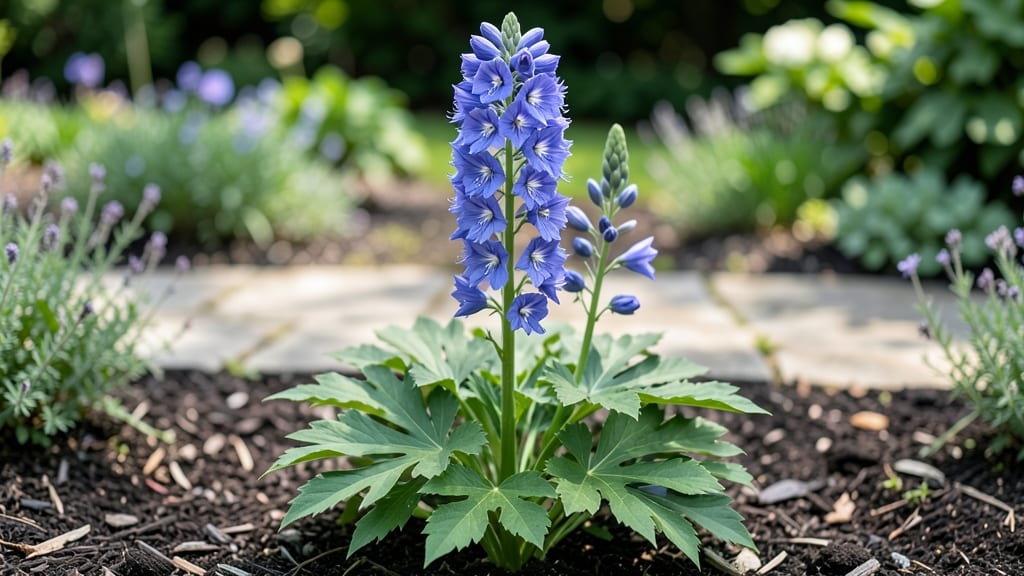
Tall flowers with multiple blooms are the unsung heroes of vertical garden drama. ✨ I remember the first time I planted delphiniums—those towering spikes of blue and purple seemed to reach for the sky, instantly transforming a flat border into a breathtaking backdrop.
Their layered blooms create depth, making even a small garden feel grand.
These showstoppers thrive in full sun and well-drained soil, with heights ranging from 4 to 8 feet, depending on the variety. Snapdragons add playful charm with their vertical blooms, while sunflowers bring bold, cheerful energy.
They’re perfect for cottage gardens, modern borders, or even as dramatic cut flowers that last for days in a vase.
Pair them with shorter perennials like lavender or salvia to create a cascading effect, or tuck them behind ornamental grasses for texture contrast. The key is letting them shine—these are the flowers that make neighbors pause and say, "Wow, how did you do that?"
Whether you’re designing a focal point or filling a shady corner, these plants deliver instant vertical impact with minimal effort. Let’s make your garden the talk of the neighborhood—one towering bloom at a time.
📚 In This Guide
- What you need
- Instructions
- Tips and common mistakes
- Wrapping up and next steps
What you need
- ● Flowering plants: Choose tall varieties like Delphinium, Snapdragons, Foxgloves, or Hollyhocks (3–5 mature plants per section for fullness).
- ● Growing medium: High-quality potting mix (10–15 lbs) blended with perlite or vermiculite (2–3 cups) for drainage.
- ● Containers/planter: Vertical planters: Fabric pockets (12–24 pockets, 12" deep) or modular grid systems (e.g., GrowIt or Urban Leaf).
- ● Hanging baskets: 12"–18" diameter (2–4 baskets for height).
- ● Trellis/wire frame: Galvanized metal or bamboo (4–6 ft tall, 1"–2" grid spacing).
- ● Support structures: Twine, floral wire, or soft ties (10–15 ft) to secure stems.
- ● Pruning shears: Bypass-type (sharp and clean) for trimming.
- ● Trowel or small shovel: For planting and mixing soil.
- ● Measuring tape: To ensure even spacing (aim for 6–12" between plants).
- ● Watering can or hose: With a gentle spray nozzle (avoid over-saturating roots).
- ● Fertilizer: Slow-release granular (10–10–10 ratio) or liquid bloom booster (diluted per label).
- ● Mulch (coco coir or bark chips) to retain moisture.
- ● Decorative elements: Painted pots, mosaic tiles, or LED string lights for ambiance.
- ● Self-watering reservoir (for low-maintenance setups).
- ● Plant labels (chalkboard or biodegradable) to track varieties.
How to create a vertical garden statement with tall, multi-bloom flowers
Here’s how I turn vertical spaces into dramatic floral displays—no green thumb required.
🌱 Step 1: Choose the Right Tall, Multi-Bloom Varieties
Pick flowers that naturally grow 4-6 feet tall and produce multiple blooms per stem, like delphiniums, snapdragons, or tall garden phlox. These varieties create natural vertical interest without needing staking. I always check the bloom height at maturity—some labeled "tall" barely reach 3 feet, so verify before buying.
For a layered look, pair them with mid-height fillers like salvia or Russian sage (18-24 inches) and ground-hugging annuals like lobelia or sweet alyssum. This creates depth while keeping the focus on your towering blooms. Plant in odd-numbered clusters (3, 5, or 7 stems) for a fuller, more natural appearance.
☀️ Step 2: Position for Maximum Sun and Support
Most tall, multi-bloom flowers need full sun (6+ hours daily) for strong stems and abundant flowers. I mark the sunniest spot in my yard with a stake, then test it for 4 hours before planting—if leaves scorch by midday, move it to partial shade. South- or west-facing walls get the most light, but east-facing spots work too if you choose shade-tolerant varieties like hollyhock or foxglove.
For vertical gardens, use freestanding trellises, obelisks, or sturdy cages (like the 18-inch metal tomato cages I repurpose). Drive stakes 6 inches deep into the soil and secure them with garden twine before planting. Avoid plastic ties—they can girdle stems as they thicken. Here’s the trick: plant seeds or transplants 2 inches closer to the trellis than the package suggests. This encourages them to lean toward support early.
💧 Step 3: Water Deeply and Mulch to Retain Moisture
Deep watering is critical for tall flowers—their roots spread wide, and shallow watering encourages weak stems. I water once a week for the first month, then every 5-7 days after that, depending on rain. Soak the soil until water runs out the drainage holes (if potted) or seeps 6 inches deep into the ground. Check by sticking your finger in—if the top 2 inches feel dry, it’s time to water again.
Spread 2-3 inches of mulch (like shredded bark or straw) around the base, but keep it 2 inches away from stems to prevent rot. Mulch locks in moisture and keeps roots cool, which is especially important in hot afternoons. I always mulch after the soil warms to 60°F in spring to avoid smothering tender roots. For containers, use moisture-retaining granules mixed into the soil instead.
✂️ Step 4: Deadhead and Prune for Continuous Blooms
This is the secret to nonstop flowers. As soon as a bloom fades, snip the entire spent stem back to the nearest set of leaves (or 4-6 inches below the dead flower). I use clean, sharp pruners to avoid tearing stems. For delphiniums and snapdragons, this encourages secondary blooms on the same stem. Skip this step, and you’ll get one big flush of flowers followed by bare stems.
In late summer, give your tall flowers a light trim—cut back one-third of the tallest stems to half their height. This rejuvenates the plant and prevents flopping. I always do this after a hard rain when stems are flexible. Avoid cutting into woody stems, as these plants won’t regrow from old wood. For perennials, this also improves next year’s blooms.
🪴 Step 5: Add Finishing Touches for Year-Round Interest
Extend the vertical drama by planting evergreen foliage like heuchera or dusty miller at the base. Their deep colors contrast beautifully with the flowers and keep the garden looking lush even when blooms fade. I also weave in ornamental grasses (like maiden grass or fountain grass) for movement and texture—they sway in the breeze and add height without competing for space.
For winter, cut back dead stems in early spring (before new growth appears) and add a light dusting of mulch to protect roots. If you’re in a cold climate, wrap young plants with burlap during the first frost. In containers, move them to a sheltered spot or cover with frost cloth on nights below 28°F. With these touches, your vertical garden stays stunning from spring through fall.
Tips & tricks for perfect tall flower vertical gardens
A few key strategies will transform your vertical garden into a showstopper with minimal effort.
Sunlight Strategy: The 4-hour sunlight test in Step 2 is your best friend—this helps you spot potential sunburn before planting. I’ve learned the hard way that west-facing spots can get brutal by mid-afternoon, so if your test plants show scorched edges after 4 hours, move them to morning sun only. For containers, rotate them every few days so all sides get even light exposure.
Support System: When using 18-inch metal tomato cages as trellises (as mentioned in Step 2), I reinforce them by driving an additional stake at a 45-degree angle from the back. This prevents leaning, especially important for heavy bloomers like delphiniums. For extra stability, weave garden twine in an "X" pattern across the top of the cage before planting.
Watering Wisdom: The deep watering technique in Step 3 works wonders, but here’s the secret: water in the morning so plants have all day to absorb moisture before evening. I use a simple trick with my finger—if the top 2 inches of soil feel dry by mid-morning (not just evening), it’s time to water again. This prevents overwatering while ensuring roots get what they need.
Pruning Precision: When deadheading in Step 4, I always make my cuts at a 45-degree angle just above a leaf node. This creates a larger surface area for water absorption and encourages new growth. For snapdragons specifically, I leave the lower flower buds intact—they’ll open beautifully without needing extra pruning. The key is consistency: check your plants every 2-3 days during peak bloom season.
Pro Tips for Tall Flower With Multiple Blooms
- A few key strategies will transform your vertical garden into a showstopper with minimal effort.
- Sunlight Strategy: The 4-hour sunlight test in Step 2 is your best friend—this helps you spot potential sunburn before planting.
- Support System: When using 18-inch metal tomato cages as trellises (as mentioned in Step 2), I reinforce them by driving an additional stake at a 45-degree angle from the back.
Frequently asked questions
Got questions about growing tall flowers with multiple blooms? You’re not alone! Here are some of the most common queries—and their answers—to help you create a stunning vertical garden effortlessly.
What are the best tall flowers for multiple blooms?
Top picks include Delphinium, Hollyhock, Snapdragons, and Rudbeckia. These varieties thrive in vertical spaces and produce clusters of blooms. For extra height, try Sunflower varieties like ‘Russian Giant’ or Gladiolus—both deliver dramatic, multi-flower stems.
How long does it take for these flowers to bloom?
Blooming time varies! Annuals like Cosmos or Zinnias may flower in 6–8 weeks from seed, while perennials like Delphinium take 2–3 years to reach full height and bloom abundance. Check seed packets or plant tags for specific timelines—patience pays off with show-stopping results!
Do tall flowers with multiple blooms need special care?
Yes! These beauties often need staking or trellising to prevent flopping. Water deeply at the base (avoid wetting leaves to reduce disease), and deadhead spent blooms to encourage nonstop flowering. Fertilize lightly with a balanced formula—too much can weaken stems.
Can I grow these in containers or small spaces?
Opt for compact varieties like Dwarf Sunflowers or Miniature Hollyhocks. Use deep pots (12+ inches) with well-draining soil and support cages. For vertical gardens, mix them with trailing plants (like Nasturtium) to balance height and texture.
Why aren’t my tall flowers blooming?
Common culprits include overcrowding, poor sunlight (most need 6+ hours/day), or excess nitrogen (which fuels leaves, not blooms). Try pruning leggy stems to redirect energy upward and switch to a low-nitrogen, high-phosphorus fertilizer to boost flowers.
Still stumped? Drop your specific flower type or issue in the comments—we’re happy to help!
Wrapping up and next steps
Transforming your space with a tall flower with multiple blooms isn’t just about aesthetics—it’s a celebration of vertical elegance and natural beauty.
Whether you’re drawn to the drama of Delphinium, the whimsy of Snapdragons, or the bold statement of Hollyhocks, these plants bring height, texture, and layered charm to any garden. 🌸
Ready to elevate your garden? Start small—pick one variety, gather your supplies, and let your creativity bloom! Plant, nurture, and watch your vertical masterpiece thrive.