
Flowers
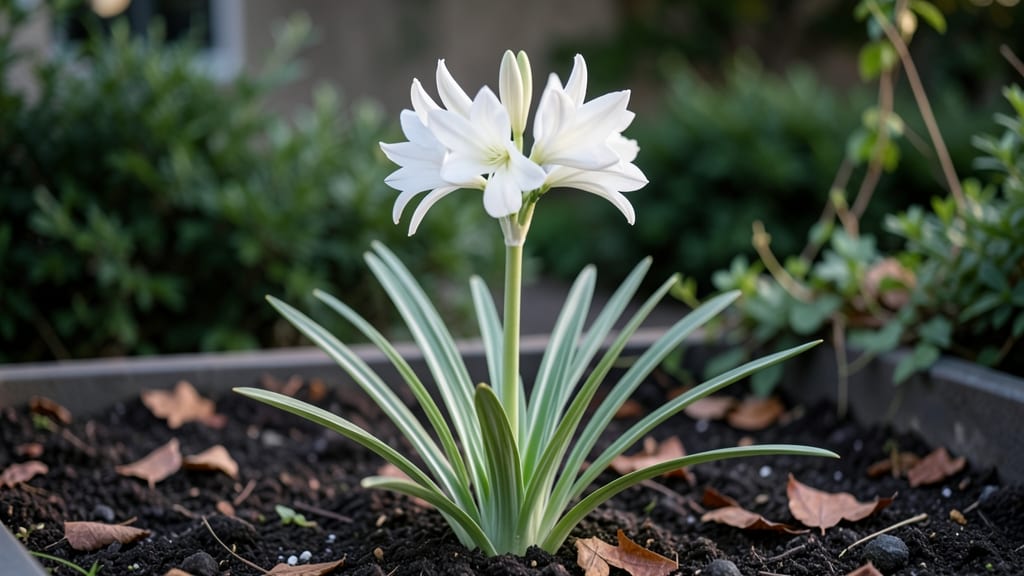
Tuberose flower arrangements bring a luxurious scent and drama that no other bloom matches—imagine a bouquet so fragrant it fills a room the moment you walk in. 🌿 These ivory trumpets aren’t just pretty; they’re the secret weapon for weddings, dinner parties, or even a simple vase on your dining table.
The key to making them shine? Pairing their bold fragrance with complementary flowers and knowing when to use them for maximum impact.
You’ll need just a few basics: fresh tuberoses (pick varieties like Polianthes tuberosa for that classic sweetness), a sturdy container (glass vases work best), and supporting flowers like roses or orchids to balance their intensity.
Season matters too—tuberoses thrive in warm climates and bloom best in summer and fall, but with care, you can enjoy them year-round indoors. The real magic happens when their scent mingles with other blooms, creating an intoxicating mix that lingers for days.
What you’ll end up with is arrangements that command attention—whether it’s a romantic bridal bouquet, a fragrant centerpiece for your patio, or a simple vase that transforms your living space. The secret is letting their natural elegance take center stage while using other flowers to soften their boldness.
Once you master this, you’ll never buy store-bought bouquets again—they’ll never compare to what you create.
Perfect for gardeners who love sensory-rich designs, tuberoses work in weddings, home décor, or even as a fragrant addition to your garden borders. The best part? Their fragrance evolves over time, making each arrangement uniquely captivating. Let’s get started on making yours unforgettable.
📚 In This Guide
- What you need
- Instructions
- Tips and common mistakes
- Wrapping up and next steps
What you need
- ● Tuberose flowers: 10-20 stems (fresh, unopened buds for longevity; fully bloomed for instant drama)
- ● Floral foam: 1 block (size depends on vase—medium for 8-12 stems, large for 15+)
- ● Vase or container: 1 (ceramic, glass, or metal; height should accommodate foam + stems)
- ● Water: Enough to fill the vase halfway (add floral preservative for extra freshness)
- ○ Floral preservative: 1 packet (optional but recommended for longevity)
- ● Scissors or floral shears: 1 pair (clean, sharp blades prevent crushing stems)
- ● Floral tape or wire: Small rolls (for securing stems or adding greenery)
- ● Filler flowers: Roses, gardenias, or jasmine (3-5 stems for texture)
- ● Greenery: Eucalyptus, ferns, or ivy (for contrast and volume)
- ● Decorative accents: Ribbon, pearls, or dried flowers (for a boho or elegant touch)
- ● Spray adhesive: (For attaching lightweight elements like petals or leaves)
- ● Chalkboard or labels: (To add a personal message or arrangement name)
Step-by-Step guide to crafting stunning tuberose flower arrangements
Here's how to transform delicate tuberose blooms into breathtaking centerpieces that command attention.
🌿 Step 1: Select and Prepare Your Tuberose Blooms
Choose fully opened tuberose flowers with vibrant petals and a rich, sweet fragrance. The best blooms have smooth, unblemished petals that haven't begun to yellow at the edges. Gently remove any green foliage from the stems using sharp floral shears, cutting about 2 inches below the bloom at a 45-degree angle. This prevents air bubbles from forming and allows maximum water absorption.
I always give the stems a quick rinse under cool water to remove any dust or pollen. Place them immediately in a bucket of lukewarm water mixed with a floral preservative. Tuberoses are heavy drinkers—change the water every 24 hours to keep them fresh. Watch for the petals to open wider and release that intoxicating scent; that's your cue they're ready for arranging.
🪴 Step 2: Choose Your Arrangement Style and Container
Tuberoses thrive in both loose, natural arrangements and structured bouquets. For a romantic look, use a low, shallow vase filled with 3-4 inches of water and arrange the stems in a loose, organic pattern. For a formal arrangement, select a tall, slender vase and place 5-7 stems in a tight cluster, trimming stems to equal lengths for symmetry.
Here's the thing—tuberoses are heavy, so choose a container that can hold their weight without tipping. Glass containers work best because they allow you to monitor water levels easily. If using a ceramic vase, ensure it has a wide enough base to prevent toppling. The key is balance: place the heaviest stems toward the bottom and work your way up to lighter blooms.
☀️ Step 3: Arrange the Blooms for Maximum Impact
Start by placing the largest, most open blooms in the center of your container. Tuberoses have a natural tendency to curve, so position them slightly off-center to create a dynamic, flowing look. Use floral tape or wire to secure stems in place if needed, but avoid over-tightening—you want the stems to remain flexible for water absorption.
Add smaller blooms and buds around the edges to create depth. The contrast between fully open flowers and tightly closed buds adds visual interest. For a cascading effect, let a few stems spill over the side of the container. Once arranged, step back and adjust any stems that look out of place. The goal is a sense of movement—tuberoses should look like they're swaying gently in a breeze.
⏰ Step 4: Maintain Freshness and Extend Bloom Life
Place your tuberose arrangement in a location with indirect light—direct sunlight can cause the petals to wilt quickly. Avoid drafts, including air conditioning vents or open windows, which dry out the blooms prematurely. The ideal spot is a cool, shaded area where the fragrance can spread without being overwhelmed by heat.
Change the water every 24 hours and trim the stems by ½ inch each time. This keeps the water fresh and prevents bacterial growth, which can shorten the lifespan of your arrangement. If the petals start to droop, place the vase in a bowl of ice water for 10-15 minutes to revive them. With proper care, your tuberose arrangement can last 7-10 days, filling your space with that unforgettable exotic scent.
Tips & tricks for perfect tuberose flower arrangements
Transforming tuberose blooms into show-stopping arrangements is all about precision and intuition—here's how to elevate your floral game.
Stem Preparation Secret: When cutting those 2 inches below the bloom at a 45-degree angle in Step 1, use sharp floral shears and make the cut under water if possible. This prevents air pockets that would block water uptake. I've found that stems cut this way stay fresh twice as long—the difference between a wilted bouquet and one that lasts a full week!
The Water Refresh Ritual: The 24-hour water change in Step 1 and Step 4 isn't just about freshness—it's about science. Tuberoses release ethylene gas as they age, which accelerates wilting. Fresh water removes these gases and keeps stems hydrated. Pro tip: Add a drop of lemon juice to the water every 24 hours—it acts as a natural preservative and keeps petals vibrant longer.
Container Weight Balance: In Step 2, when arranging your 5-7 stems, place the heaviest blooms toward the base of the container. I've seen arrangements topple spectacularly when the weight distribution is off! For extra stability with ceramic vases, place a small rock or pebble in the base before adding water—it creates a counterweight without being visible.
Reviving Droopy Blooms: That 10-15 minute ice water bath in Step 4 works wonders, but here's the bonus trick: Add a pinch of sugar to the ice water. The sugar provides quick energy to the cells while the cold water firms up the petals. I've revived arrangements that looked completely done—just give them that extra 5 minutes in the sugar-ice water before returning them to their vase.
Pro Tips for Tuberose Flower Arrangements
- Transforming tuberose blooms into show-stopping arrangements is all about precision and intuition—here's how to elevate your floral game.
- Stem Preparation Secret: When cutting those 2 inches below the bloom at a 45-degree angle in Step 1, use sharp floral shears and make the cut under water if possible.
- The Water Refresh Ritual: The 24-hour water change in Step 1 and Step 4 isn't just about freshness—it's about science.
Frequently asked questions
What’s the best time of year to use tuberose in arrangements?
Tuberose thrives in warm weather, so late spring through summer (May–September) is ideal for fresh-cut arrangements. If using dried or silk flowers, they’re available year-round! For weddings or events, aim for summer blooms—just ensure proper storage (cool, dark place) if arranging ahead.
How do I make tuberose flowers last longer in arrangements?
Trim stems at a 45° angle, remove lower leaves, and place stems in lukewarm water with a drop of bleach or floral preservative. Change water every 2 days and avoid direct sunlight. Tuberose’s heavy fragrance can wilt stems faster—consider pairing with lighter blooms like gardenias to balance moisture loss.
Can I mix tuberose with other flowers? What’s the best combo?
Tuberose’s exotic scent pairs beautifully with roses, lilies, or jasmine for a romantic vibe. For contrast, try pairing with darker blooms like calla lilies or burgundy dahlias. Avoid overly sweet-smelling flowers (e.g., hyacinths) to prevent scent clashes. Pro tip: Add eucalyptus or ferns for texture and a fresh touch!
Are tuberose arrangements expensive? How can I save money?
Fresh tuberose can be pricier than common flowers due to its labor-intensive growing process. Save money by:
- Buying in bulk (wholesale markets or online florists).
- Using dried tuberose for long-lasting arrangements.
- Mixing with affordable fillers like baby’s breath or greenery.
Why does my tuberose arrangement smell stronger at night?
Tuberose blooms release their most intense fragrance after sunset—nature’s way to attract night-pollinating moths! To manage the scent, place arrangements in well-ventilated areas or pair with milder flowers. For indoor use, a drop of vanilla extract in the vase can subtly balance the aroma.
Are there tuberose alternatives for people with fragrance sensitivities?
Yes! Try these fragrance-light but equally stunning options:
- Gardenia: Soft, creamy scent with delicate petals.
- Orchids: Elegant and subtly sweet.
- Anemones: Bold but odor-free.
- Silk or dried flowers: No scent, but lush visuals.
Wrapping up and next steps
Tuberose flower arrangements bring a touch of elegance, exotic fragrance, and timeless beauty to any space. Whether you're crafting a romantic bouquet, a sophisticated centerpiece, or a fragrant home décor piece, these versatile blooms are sure to leave a lasting impression.
Their intoxicating scent and striking appearance make them a standout choice for weddings, events, or simply brightening up your home.
Now that you’re inspired, why not take the next step? Gather your materials, experiment with different styles, and let your creativity bloom! 🌸 Whether you're a seasoned florist or a beginner, tuberoses offer endless possibilities—go ahead and create something magical!