Flowers
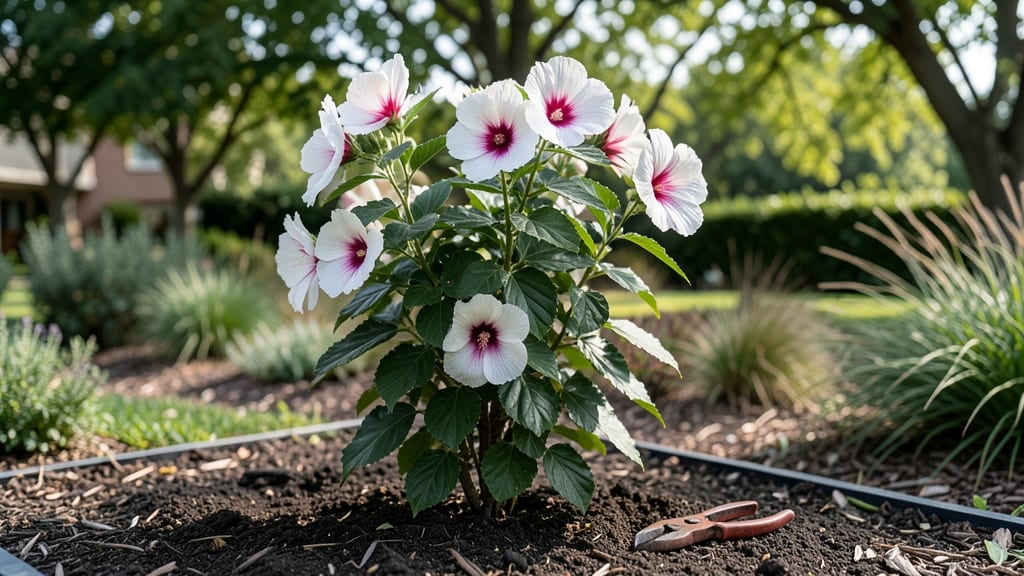
The Victoria lace flower thrives in Pacific Northwest containers with surprising resilience—even through light frosts. ✨ I remember the first time I saw its dramatic, palmate leaves unfurling in my Seattle patio pot, and I knew it was perfect for our cool, damp climate.
The secret lies in its ability to tolerate shade, moisture, and even brief freezes, making it an underrated star for urban gardens.
You’ll need a large container (at least 18 inches deep) with well-draining soil rich in organic matter—think compost mixed with perlite to prevent soggy roots.
This plant loves morning sun but tolerates afternoon shade, and it drinks water like a thirsty traveler, so keep the soil consistently moist but never waterlogged.
The key to its beauty is patience: growth starts slow, but once established, it rewards you with bold, glossy foliage that rivals any tropical showstopper.
Pruning is minimal—just trim back leggy stems in early spring to encourage fresh growth—but the real magic happens when you propagate it. Divide mature clumps every few years or take stem cuttings in summer for free plants.
By late summer, you’ll be surrounded by lush, textured foliage that turns heads at neighborhood gatherings. The best part? It’s disease-resistant and rarely bothered by pests, so you can relax and enjoy the view.
Perfect for patios, balconies, or even as a striking accent in shaded garden beds. Once you grow one, you’ll want to share cuttings with friends—because who wouldn’t want this easy-care beauty thriving in their own space? Let’s get those roots growing!
📚 In This Guide
- What you need
- Instructions
- Tips and common mistakes
- Wrapping up and next steps
What you need
- ● Victoria amazonica plant: 1 healthy, mature plant (available at specialty nurseries or online retailers like Fast-Growing-Trees.com or PlantWorldSeeds)
- ○ Optional: A smaller, potted seedling (if starting from scratch)
- ● Container: 1 large, non-glazed ceramic or plastic container (minimum 24" diameter and 12" deep)
- ○ Optional: A waterproof liner (if using decorative pots without drainage)
- ● Growing Medium: 1 part peat moss or coconut coir (for moisture retention)
- ● 1 part perlite or coarse sand (for drainage)
- ● 1 part garden soil (well-draining, organic)
- ● Fertilizer: Balanced liquid fertilizer (e.g., 10-10-10 or 20-20-20, diluted to half-strength)
- ○ Optional: Slow-release aquatic plant tabs (for convenience)
- ● Tools: 1 trowel or garden spoon (for planting)
- ● 1 pH testing kit (ideal pH: 6.0–7.5)
- ○ 1 fine-mesh net or row cover (to protect from early frost, optional for PNW winters)
- ● Location: Full sun to partial shade (at least 6+ hours of sunlight daily)
- ● Water source: Soft, rainwater or distilled water (chlorine-free; tap water may harm leaves)
- ● Climate prep: Move container to a garage or sheltered spot during freezes below 50°F (10°C)
- ● Pro tip: Add a layer of mulch on the soil surface to insulate roots in winter! 💡
- ● Patience: Victoria lace flowers thrive in warm, humid conditions—PNW summers are perfect, but they may need extra care in cooler months.
Step-by-Step instructions for cultivating Victoria lace flower in containers
This frost-hardy stunner thrives in Pacific Northwest pots—here's how to coax its delicate blooms to life.
🌱 Step 1: Select and Prepare Frost-Resistant Containers
Choose 18-24 inch diameter containers with multiple drainage holes—Victoria lace flower (Kerria japonica) hates soggy roots. I prefer unglazed ceramic or thick plastic because they retain moisture without overheating in summer. Place a 3-inch layer of gravel at the bottom to prevent compaction and improve drainage.
Fill the bottom third with well-draining cactus/succulent mix (not regular potting soil—this prevents root rot). The plant's native woodland edge habitat demands loose, aerated soil that mimics its natural understory conditions. Tap the container gently to settle the mix without compacting it.
🌿 Step 2: Plant Bare-Root Specimens at Correct Depth
Dig a hole twice as wide as the root ball but no deeper—the crown should sit just below soil level. Position the plant so the stems angle slightly outward (this encourages bushier growth). Backfill with pre-moistened potting mix, pressing gently to eliminate air pockets around the roots.
Water deeply until moisture runs freely from the drainage holes. The soil should feel evenly damp but not waterlogged. I like to use a slow-release fertilizer mixed into the top 2 inches of soil—this gives young plants a 3-month nutrient boost without risking burn.
☀️ Step 3: Position for Partial Sun and Shelter
Victoria lace flower thrives in morning sun with afternoon shade—ideal for Pacific Northwest patios. Place containers where they receive 4-6 hours of direct sun (more in summer, less in winter). A north or east-facing spot works best, protected from strong afternoon winds that can scorch tender new growth.
Here's the thing—this plant dislikes hot, dry afternoons. If your location gets intense summer sun, provide 30% shade cloth during peak hours (12-4 PM). You'll see healthier foliage and more prolific blooms when leaves stay cool and hydrated.
💧 Step 4: Water Strategically for Frost Resistance
Water deeply once weekly during spring/fall, increasing to twice weekly in summer. Check moisture by sticking your finger 2 inches into the soil—water when it feels dry but not powdery. Overwatering causes root rot, while underwatering leads to drooping leaves and bud drop.
In winter, reduce watering to every 10-14 days—the plant enters dormancy. I like to mulch heavily with 3 inches of shredded bark to insulate roots and retain moisture. This frost-resistant strategy keeps plants thriving through Pacific Northwest winters.
✂️ Step 5: Prune for Bushier Growth and Winter Hardiness
After flowering (late spring), cut back stems by one-third to encourage denser branching. Remove any dead, diseased, or crossing branches—this improves airflow and prevents fungal issues. The best time to prune is just after blooms fade, when the plant is entering its summer growth phase.
In late fall, reduce pruning—only remove weak or damaged growth. The plant's natural woody structure provides winter protection. You'll see stronger stems and more abundant blooms next season when you maintain this balanced pruning approach.
Tips & tricks for perfect Victoria lace flower cultivation
These game-changing insights will help you coax the most vibrant blooms from your Pacific Northwest container garden.
Container Selection Wisdom: For the 18-24 inch containers specified, prioritize depth over width—Victoria lace flower develops a surprisingly robust root system. I've found that terracotta pots actually work better than ceramic for moisture regulation, though they require more frequent watering. The key is ensuring those drainage holes are unobstructed—I once ruined a plant when gravel clogged them during winter rains.
Soil Science Matters: That cactus/succulent mix in Step 1 isn't just about drainage—it mimics the plant's native woodland edge conditions. For an extra boost, I blend in 20% perlite to improve aeration. The secret to the perfect mix? Sift your soil before planting to remove any compacted clumps that could suffocate roots. This one small step makes all the difference in preventing root rot.
Sunlight Strategy: When positioning your containers for those crucial 4-6 hours of morning sun, consider adding a reflective surface like white gravel beneath the pot. This trick bounces extra light onto the plant, giving you an additional 1-2 hours of effective sunlight without moving the container. In summer, I rotate my pots quarter-turn weekly to ensure even sun exposure all around.
Winter Survival Hacks: That 3-inch mulch layer in Step 4 is non-negotiable—it's what keeps roots from freezing in our Pacific Northwest winters. For extra insulation, I wrap the bottom 6 inches of the pot with bubble wrap before placing it in its winter location. This simple addition can mean the difference between a plant that survives and one that thrives through the cold months.
Pro Tips for Victoria Lace Flower
- These game-changing insights will help you coax the most vibrant blooms from your Pacific Northwest container garden.
- Container Selection Wisdom: For the 18-24 inch containers specified, prioritize depth over width—Victoria lace flower develops a surprisingly robust root system.
- Soil Science Matters: That cactus/succulent mix in Step 1 isn't just about drainage—it mimics the plant's native woodland edge conditions.
Frequently asked questions
Got questions about growing Victoria lace flowers in your Pacific Northwest containers? You’re not alone! Here are the answers to some of the most common queries to help you nurture these frost-resistant beauties with confidence.
Can Victoria lace flowers survive PNW winters in containers?
These hardy beauties thrive in USDA Zones 5-9, making them perfect for the PNW’s chilly winters. Just ensure your containers are well-draining and wrap them in burlap or frost cloth during extreme cold snaps (below 10°F). Mulch the soil with straw or shredded leaves for extra protection.
How often should I water Victoria lace flowers in containers?
Watering needs depend on your climate, but aim for 1-2 inches per week during growing season (spring-fall). Containers dry out faster, so check soil moisture weekly—stick your finger 1-2 inches deep. Reduce watering in winter unless temperatures drop below freezing, then keep soil lightly moist to prevent root damage.
What’s the best soil mix for container-grown Victoria lace flowers?
Use a well-draining, slightly acidic mix (pH 5.5-6.5). A blend of 50% potting soil, 30% perlite or coarse sand, and 20% peat moss or compost works wonders. Avoid heavy clay soils—root rot is their nemesis! Add a handful of orchid bark for extra aeration if your PNW summers are damp.
Are Victoria lace flowers prone to pests, and how do I prevent them?
While generally pest-resistant, they can attract aphids or spider mites in dry conditions. Prevent issues by:
- Spraying leaves with neem oil weekly during peak growth.
- Encouraging beneficial insects like ladybugs.
- Avoiding overhead watering to deter fungal pests.
Can I grow Victoria lace flowers from cuttings instead of seeds?
Yes! Stem cuttings are the easiest way to propagate these flowers. In early spring, snip a 4-6 inch healthy stem, remove lower leaves, and dip the cut end in rooting hormone. Plant in moist perlite or sand, keep humid (use a plastic bag), and place in bright, indirect light. Roots should form in 4-6 weeks!
Why aren’t my Victoria lace flowers blooming?
Blooming issues often stem from light, nutrients, or stress. Check these fixes:
- Light: Ensure they get 6+ hours of sunlight daily (morning sun is ideal in hot PNW summers).
- Fertilizer: Feed with a balanced, acid-loving fertilizer (like 10-10-10) every 4-6 weeks in spring/summer.
- Winter Rest: They need a dormant period—reduce watering and stop fertilizing in fall.
Wrapping up and next steps
Growing Victoria lace flower in containers is a rewarding way to bring the Pacific Northwest’s frost-resistant beauty to your space—whether you’re a seasoned gardener or just starting out. 🌸 With the right soil, sunlight, and care, these delicate blooms will thrive year after year, adding charm and resilience to your garden.
Now that you’re equipped with the knowledge, roll up your sleeves and give it a try! Start by selecting your container and soil mix, then watch your Victoria lace flower flourish with confidence.